Beautiful Crochet Stitches: Easy Patterns & Ideas
Explore beautiful crochet stitches, easy pattern ideas, texture tips, color inspiration, and practical guidance for blankets, garments, accessories, and gifts.
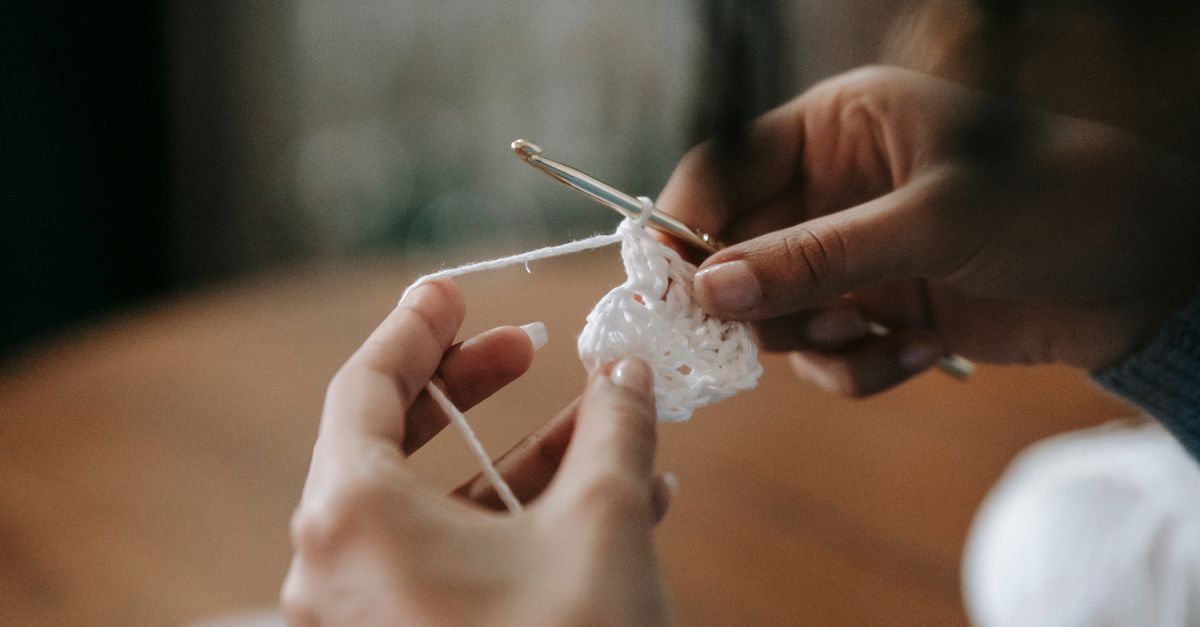
Beautiful crochet stitches can completely change the character of a project. A simple shape worked in a ridged, lacy, clustered, or shell-like texture can feel thoughtful and distinctive without requiring an elaborate construction. I love that crochet gives us so many ways to explore fabric: we can make it firm, open, stretchy, raised, delicate, or wonderfully squishy simply by changing the stitch pattern.
In this guide, I’ll share easy ideas for choosing and using beautiful crochet stitches in blankets, scarves, garments, accessories, and small gifts. I’ll focus on practical decisions that help a stitch look its best, including yarn choice, color, swatching, counting, edges, and texture. If you’re still building confidence, you don’t need to begin with the most complicated design. A clear repeat made with familiar stitches can be just as satisfying.
Table of Contents
What makes beautiful crochet stitches special?
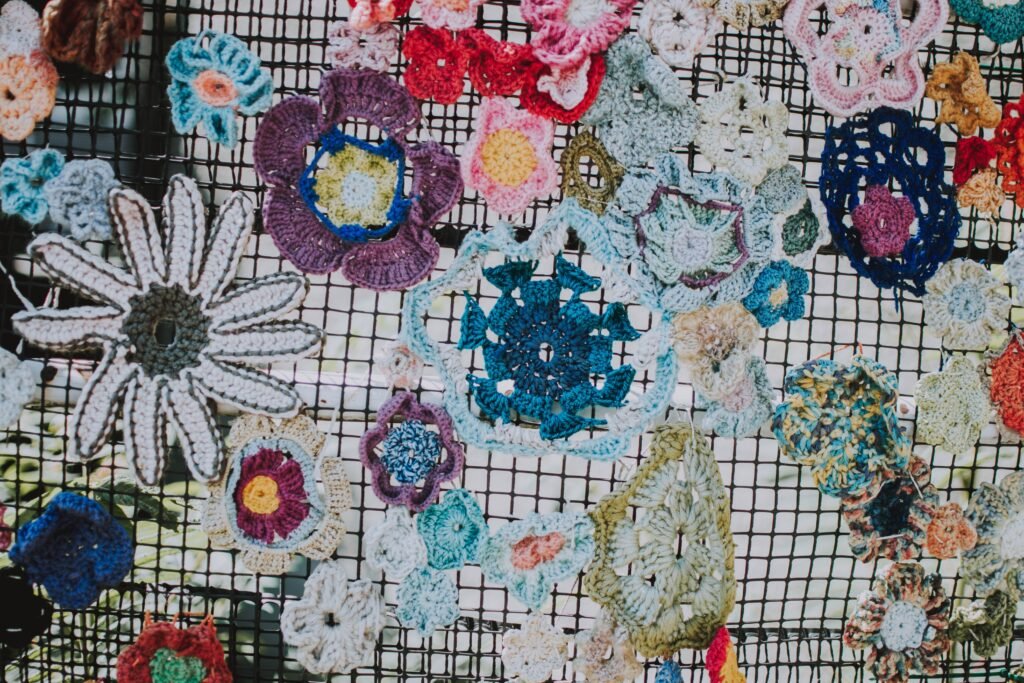
Beautiful crochet stitches are special because they add texture, movement, and personality to an otherwise simple project. The silhouette may stay the same, but the surface can change completely when we introduce ridges, clusters, open spaces, shells, or alternating stitch heights.
I think of stitch selection as part of the design rather than a technical choice made at the last minute. Before choosing a pattern, consider how you want the finished piece to feel. A blanket might benefit from a comfortable repeating texture that is enjoyable across a broad surface. A shawl may call for openness and drape. A bag may need a firmer fabric, while a garment needs careful attention to stretch and comfort.
Texture also affects how color appears. A solid shade can make raised stitches easy to see, while a gentle color change can emphasize the direction of a repeat. Very busy color changes may compete with intricate details, but they can work beautifully with a simple stitch. Neither approach is wrong; the best pairing depends on what you want the fabric to say.
If you want to practice texture on a small project first, mini crochet animal patterns offer a playful way to explore shaping, color, and decorative details without committing to a large piece.
Which beautiful crochet stitches are easiest for beginners?
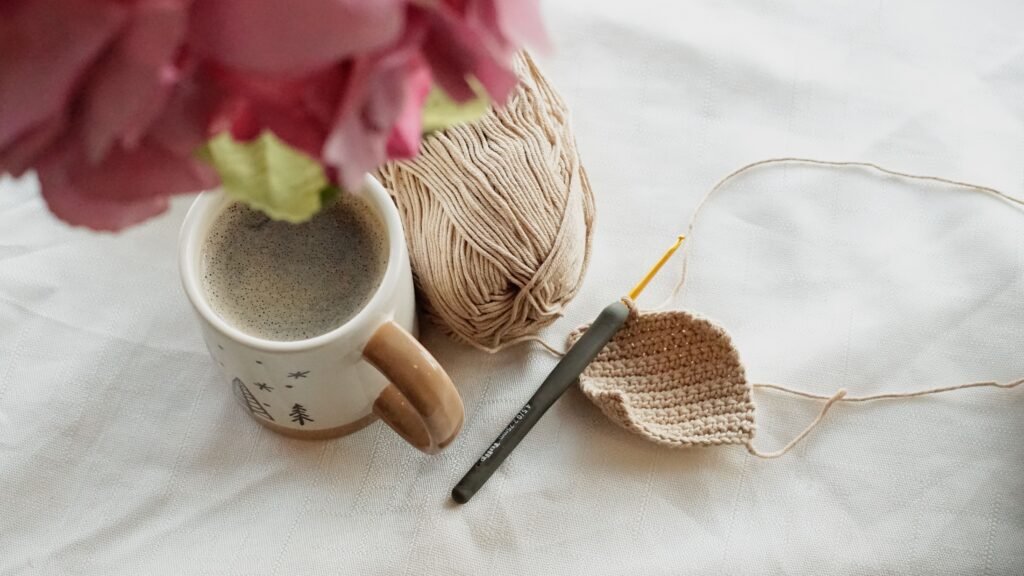
The easiest beautiful crochet stitches for beginners are repeating combinations built from stitches you already recognize. A pattern becomes much more approachable when the repeat is visible, the stitch count is easy to check, and the fabric gives you clear clues when something has gone wrong.
Simple stitch combinations can create plenty of visual interest. Alternating shorter and taller stitches can form stripes of texture. Working into a particular loop can create ridges. Groups of stitches can make a raised or fan-like surface, while chain spaces can create openwork. These effects may look intricate in a finished sample, but the working rhythm can remain quite manageable.
When learning a new repeat, make a small swatch before beginning a full blanket or garment. Write down the stitch pattern, mark the right side if there is one, and note where each repeat begins. If the instructions use several sizes or multiple options, highlight the information you need. A few minutes of preparation can save a great deal of unraveling later.
It also helps to choose a yarn that lets you see the stitches. Smooth yarn in a clear color makes it easier to identify stitch tops, spaces, and raised sections. Fuzzy or heavily textured yarn can be lovely, but it may hide the exact place where the hook should go while you’re still learning.
For more manageable projects that help build confidence with counting and finishing, explore these crochet projects for beginners. A small completed project can make a new stitch feel far less intimidating.
How do you choose a beautiful crochet stitch for a project?
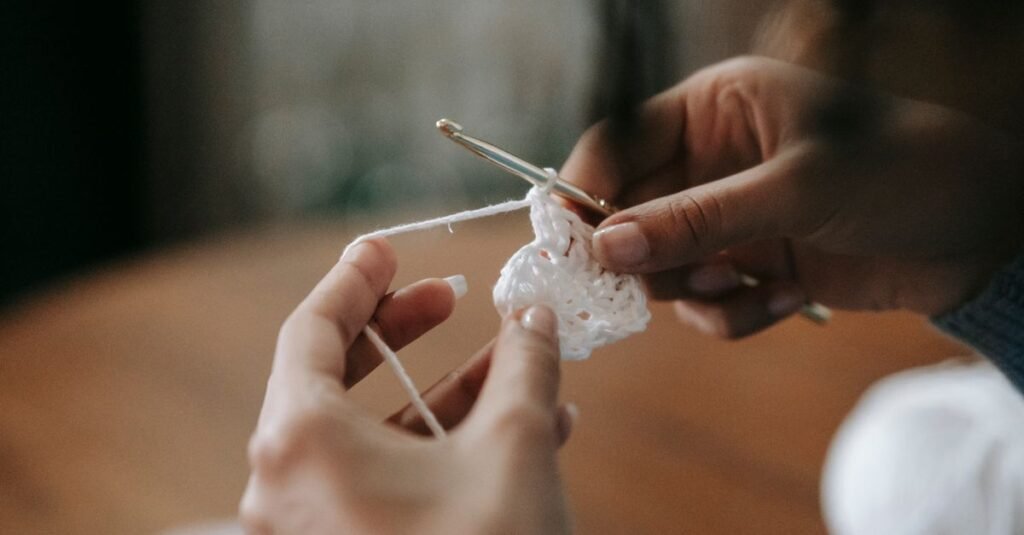
You choose a beautiful crochet stitch by matching its texture, openness, stretch, thickness, and repeat to the purpose of the project. A stitch that looks wonderful in a small sample may not behave as expected when repeated across a large piece, so it’s worth considering the finished object first.
Think about the fabric you need
Start by imagining how the finished item will be used. A dense stitch may be useful for a cozy accessory or structured bag. A more open stitch may suit a light wrap or decorative layer. A heavily raised pattern can add warmth and interest, but it may also create a thicker fabric. For a wearable project, always consider how the texture feels against the skin and how much movement the fabric allows.
Gauge matters whenever the final dimensions matter. Different stitches can create different row heights, widths, and amounts of stretch even when they use the same yarn and hook. Make a swatch in the actual stitch pattern, measure it according to the project instructions, and handle it as fabric. A swatch that matches a measurement but feels stiff may not be the right choice.
Consider the size of the repeat
A small repeat is often easier to adapt around shaping, narrow borders, and sleeves. A large motif can be striking across the center of a blanket or garment, but it may be more difficult to place around armholes, straps, or corners. If you adore a larger motif, use it as a focal panel and surround it with a simpler stitch.
Look at the edges
Some stitch patterns create a naturally straight edge, while others form scallops, points, or softly uneven sides. That edge may be part of the design, or it may need a border before the piece can be joined to another section. Make a swatch wide enough to see the sides and top rather than judging only the middle.
For inspiration on using texture in a garment, browse these free crochet sweater pattern designs. Looking at full silhouettes can help you decide whether a favorite stitch should cover the whole project or appear as a smaller feature.
Which stitch families create beautiful texture?
The main stitch families that create beautiful texture include ridged stitches, ribbing, clusters, bobbles, shells, fans, lace, and combinations of different stitch heights. Each family creates a different kind of fabric, so I like to compare small samples before choosing one.
Ridges and ribbing
Ridges can be made by working into particular loops or by placing stitches so they stand out from the surface. They create strong lines and can give a simple project a polished, graphic appearance. Depending on the construction, ribbing may also provide noticeable flexibility, which makes a swatch especially useful before using it for a fitted edge.
Vertical ridges can draw the eye along a garment or accessory, while horizontal ridges emphasize rows and borders. Keep the edges consistent and watch your turning chains so the ridges don’t become uneven as the project grows.
Clusters, bobbles, and raised details
Clusters group several movements into one area, creating a raised feature across the fabric. Bobble-like details can be spaced for a quiet rhythm or arranged more closely for a richer texture. Because raised stitches change the thickness of the fabric, think about the reverse side too, especially if the project will rest against the skin.
Raised details don’t have to cover the entire piece. They can work beautifully as a border, stripe, central panel, or small accent. Using them selectively can give a project a focal point without making the whole fabric heavy or visually crowded.
Shells, fans, and scallops
Shell and fan stitches create curved shapes by grouping stitches into a shared space. They can form decorative borders, repeating blanket fabric, or open sections in wraps and accessories. Pay attention to the spaces between the fans, because those openings influence the drape and overall rhythm of the design.
Lace and openwork
Lace and openwork use chain spaces and thoughtful stitch placement to create an airy fabric. They may look delicate, but they still depend on careful counting. Count the spaces as well as the solid stitches, and mark the beginning of each repeat. Missing one open section can affect the following rows even when the mistake is difficult to see at first.
If you’re exploring taller stitches for open or decorative fabric, this treble crochet stitch guide can help you think about height, spacing, and visual movement in a stitch repeat.
How can color make beautiful crochet stitches stand out?
Color makes beautiful crochet stitches stand out by emphasizing the direction, depth, and rhythm of the texture. A thoughtful color choice can clarify a repeat, frame a border, or give a simple stitch a completely different mood.
When learning a highly textured stitch, I’d begin with a solid shade or a gently changing yarn so the surface remains easy to read. Once you understand the repeat, try stripes or color blocks. A color change at the end of a repeat can highlight the pattern’s structure, while a contrast border can frame the center of a project.
Stripes tend to emphasize horizontal rows, while alternating colors can make shells, fans, and geometric sections easier to recognize. If the project is made from separate panels, plan how the colors will meet at the seams. A little planning helps color changes look intentional rather than accidental.
Color and yarn texture work together too. Smooth yarn usually shows stitch definition clearly. Fuzzy or novelty yarn softens the outline of the stitch, which may be exactly what you want for a gentle, blended look. If the stitch is complicated or you’re still learning, clearer stitch definition will usually make the process more comfortable.
Garments give us plenty of space to experiment with textured panels and contrast. These jumper crochet pattern ideas can inspire color sections, textured cuffs, or a central stitch feature without requiring every part of the garment to use the same pattern.
How do you keep beautiful crochet stitches even?
You keep beautiful crochet stitches even by maintaining steady tension, counting each repeat, watching the edges, and correcting structural mistakes before they travel across the project.
Begin with a swatch worked in the stitch pattern you plan to use. Make it large enough to reveal how the fabric grows, not just a tiny sample that shows the center. Measure it according to the instructions, then fold and handle it so you can consider its drape, stretch, thickness, and feel.
Count at the end of each row or repeat section. If chain spaces are part of the design, count them separately from solid stitches. When clusters or groups are involved, identify where each one begins and ends. A removable stitch marker can help you return to the correct place after a break.
Edges deserve special attention because the first and last stitch can disappear into a textured pattern. Mark edge stitches if necessary, and compare the current row with the previous row rather than relying only on the overall shape. If the sides begin to narrow or widen unexpectedly, stop and check the count.
When you find a mistake, decide whether it changes the structure. A missed stitch that alters the count or alignment is worth correcting early. A slightly uneven raised detail may be less noticeable, especially in a relaxed handmade piece. The goal isn’t to remove every sign of making; it’s to protect the pattern’s shape and rhythm.
Keep your hands relaxed as you work. Tight tension can make textured stitches difficult to insert into, particularly when several stitches share a space. If your fabric feels stiff or your hook is catching, pause and reset your grip instead of forcing the next stitch.
Small projects are useful practice for this kind of attention. These free crochet hat patterns for beginners offer opportunities to work in rounds, follow repeats, check measurements, and notice how texture affects a finished shape.
How can you use beautiful crochet stitches in garments and accessories?
You can use beautiful crochet stitches in garments and accessories by placing their texture where the stretch, thickness, and direction support the object’s fit and purpose.
A stitch can cover an entire sweater, but it can also appear in a central panel, yoke, sleeve, hem, neckline, cuff, or pocket. Using texture as a feature is often a practical choice when the repeat is large or the fabric behaves differently from a plain stitch. It lets you enjoy an interesting design without making every section difficult to shape.
For a wearable project, swatch the stitch in the yarn you plan to use and consider coverage, comfort, and movement. Openwork can create a light visual effect, but it may not provide the coverage you want on its own. Dense texture can feel substantial, but it may add weight or reduce drape. Let the intended use guide the choice.
Be cautious when replacing the stitch in an existing pattern. Different textures can change gauge, row height, stretch, yarn use, and finished dimensions. Make a new swatch and record the repeat before changing the main fabric. A beautiful stitch is only useful when it works with the construction around it.
If you prefer an open garment shape, this crochet tank top pattern guide offers helpful ideas for thinking about straps, armholes, necklines, and fabric behavior. The same questions apply whenever you place a decorative stitch in a wearable piece.
You can also compare textures with a different silhouette through this easy crochet pullover sweater guide. A relaxed pullover can be a welcoming place to use a textured panel, contrast color, or simple stitch variation.
What easy pattern ideas work with beautiful crochet stitches?
Easy pattern ideas for beautiful crochet stitches include scarves, cowls, blankets, hats, bags, washcloths, wraps, panels, and simple garments. The best starting project is one that gives the stitch enough room to repeat while keeping the overall shape manageable.
- Scarf or cowl: A long, simple shape lets you learn the repeat without managing complicated shaping. It’s also easy to see how the texture changes as the fabric grows.
- Small blanket: A repeating stitch can become the main design feature, while a simple border gives the piece a finished edge.
- Hat: A textured hat lets you practice a stitch in rounds and observe how the pattern behaves as the fabric curves.
- Bag: A sturdy textured stitch can add visual interest to a practical shape, especially when paired with a clear lining or simple handle construction.
- Wrap: Openwork, shells, fans, and taller stitches can create movement in a rectangular or triangular design.
- Garment panel: Use a favorite stitch in a yoke, sleeve, hem, or center section instead of changing the entire project at once.
A treble-treble stitch can also give you ideas for height and openness. See this treble treble crochet stitch guide when you want to explore how taller stitches alter the scale of a decorative fabric.
If you enjoy geometric shapes and straightforward construction, a crochet poncho pattern guide can inspire ways to use a stitch across broad panels, around openings, or along an edge. A poncho’s generous silhouette can make a bold repeat easier to appreciate.
You can also explore crochet stuffed animal pattern ideas for a different kind of texture practice. Small three-dimensional projects encourage careful stitch placement and show how color and surface details can give a simple shape personality.
Finally, don’t overlook a simple swatch as a finished idea in its own right. Join several samples into a sampler cushion, use one as a mug rug, or keep them as a personal stitch library. A sampler lets you explore several beautiful crochet stitches without requiring one large commitment.
Your next step is to choose one stitch family that matches the fabric you want, then make a small swatch in a yarn that lets the pattern show clearly. Count the repeat, observe the edges, and write down what you notice about texture, stretch, color, and drape. From there, choose a project that gives the stitch room to shine. The most rewarding designs aren’t always the most complicated ones; they’re the ones where the stitch, yarn, color, and purpose work happily together.