Sweater Crochet Patterns Free: Stylish & Easy Designs
Explore sweater crochet patterns free with practical tips for choosing construction, yarn, fit, stitches, sizing, finishing, and easy wearable designs.
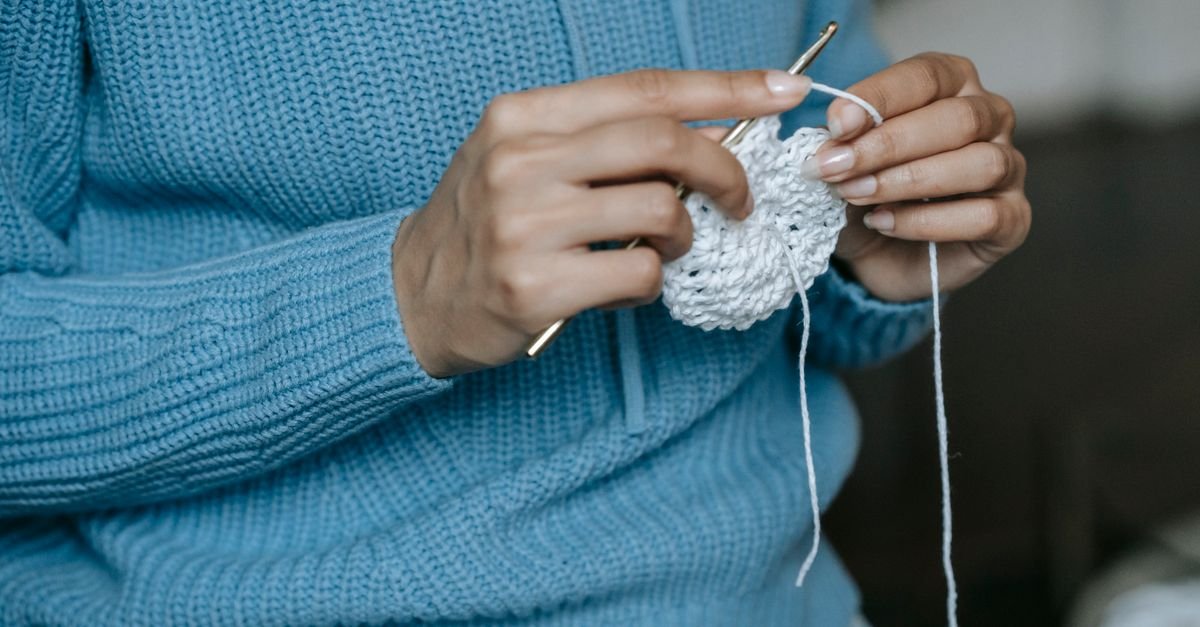
Finding sweater crochet patterns free can open up a wonderfully creative corner of crochet. A handmade sweater gives us room to explore color, texture, shape, and personal style, but it also asks us to think carefully about sizing, yarn, construction, and finishing before we begin.
I like to treat a sweater pattern as more than a set of instructions. It is a map for creating fabric that needs to move with the body, hold its shape, and feel comfortable enough to wear. In this guide, I’ll walk through stylish and easy design ideas, explain what makes a crochet sweater approachable, and share practical ways to choose a project that suits your skills.
Table of Contents
What Makes Sweater Crochet Patterns Free Easy to Follow?
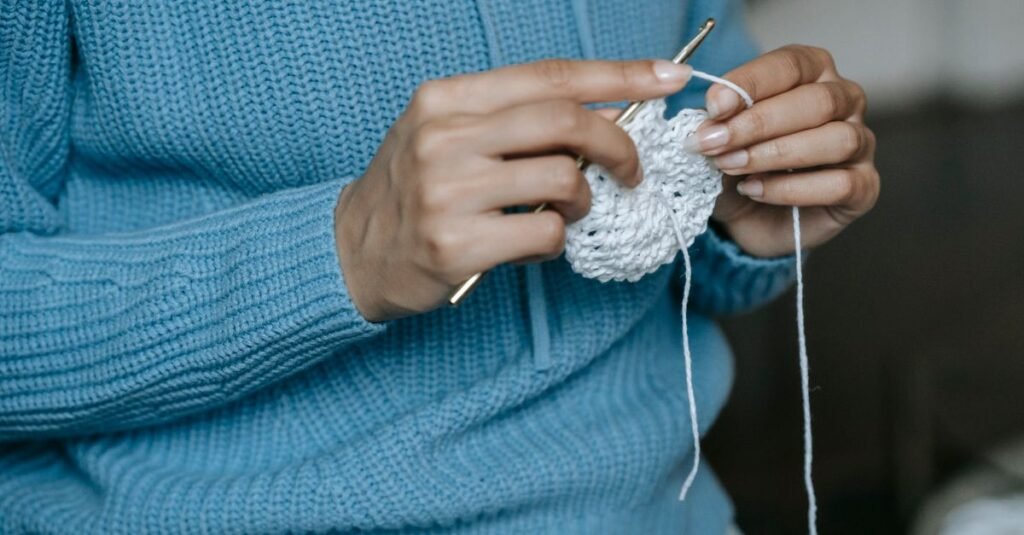
Easy sweater crochet patterns are usually built around a clear construction, familiar stitches, manageable shaping, and instructions that explain measurements and finishing.
A beginner-friendly pattern does not have to look plain. A straightforward pullover can still feature stripes, an openwork yoke, a textured panel, ribbed cuffs, or a contrast hem. The key is that the main shape remains understandable while you learn how the pieces or sections fit together.
Before starting, read the whole pattern from beginning to end. Look for the construction method, available sizes, finished measurements, yarn information, hook guidance, gauge instructions, stitch abbreviations, and finishing steps. If the shorthand feels unfamiliar, keep this crochet abbreviations guide nearby, while treating the individual pattern’s stitch key as your final reference.
Pay attention to how the sweater is assembled. A design made from a front and back panel may be easier to visualize because you can inspect each piece before joining. A top-down sweater may let you check the fit as the garment grows. A design made from separate motifs can be imaginative, but joining and alignment may require extra patience.
Clear instructions matter just as much as the photograph. I look for patterns that identify stitch counts, explain where rows or rounds begin, distinguish sizes consistently, and describe how the sleeves, neckline, and hem are finished. Those details make it easier to stay oriented when the project becomes larger than a usual accessory.
Which Crochet Sweater Constructions Should You Explore?
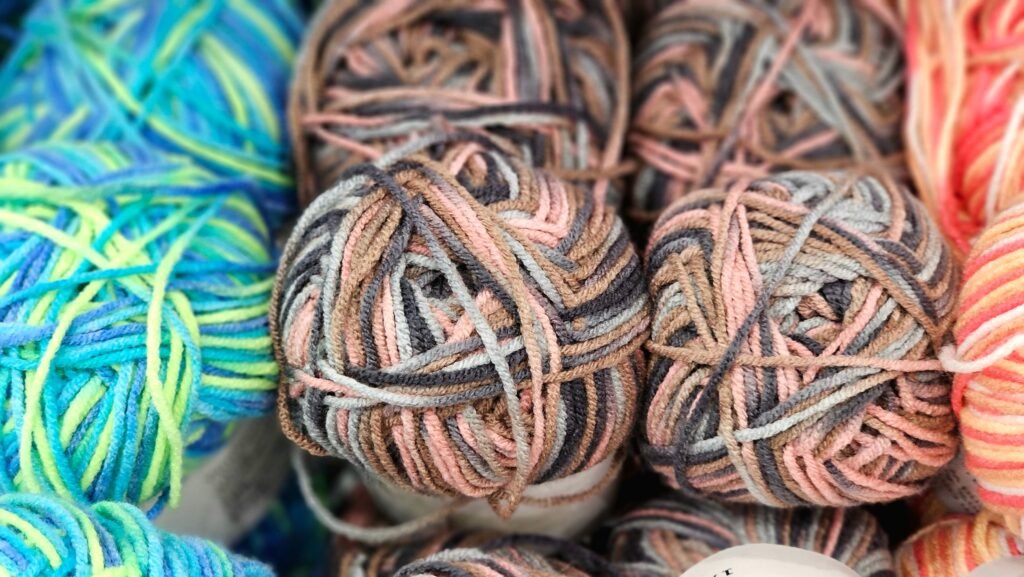
The most approachable crochet sweater constructions are panel sweaters, top-down pullovers, relaxed boxy designs, and simple raglan-style shapes.
Two-panel sweaters
A two-panel sweater usually consists of a front and back worked separately, then joined at the shoulders and sides. Most of the crocheting happens in rows, which can make this construction a comfortable introduction to garments.
The main challenge is consistency. Compare the panels as you work rather than waiting until the end. Check their width, length, row edges, and shaping. Lay them flat together before seaming so you can spot differences while they are still easy to correct.
Top-down sweaters
A top-down sweater begins near the neckline and grows toward the body and sleeves. The pattern may use increases around a yoke or along raglan lines. This construction can be helpful when you want to understand how the garment expands from the shoulders.
Mark the beginning of each round and the main increase points. A small counting error near the neckline can affect the shape farther down, so it is worth pausing after each section to check the instructions and stitch count.
Relaxed boxy sweaters
A relaxed, boxy sweater often uses a simple silhouette with limited waist shaping. That makes it a useful choice when you want to focus on fabric, color, and finishing without immediately tackling close-fitting contours.
Loose does not mean measurement-free. Compare the pattern’s finished chest, length, sleeve opening, and neckline with a garment you already enjoy wearing. This helps you choose a shape that feels intentionally relaxed rather than accidentally oversized.
For another look at garment construction, you can browse this guide to a pattern sweater with easy crochet and knitting ideas. It can help you compare panel construction, top-down shaping, yarn planning, and fit before settling on your next project.
How Should You Choose Yarn for a Crochet Sweater?
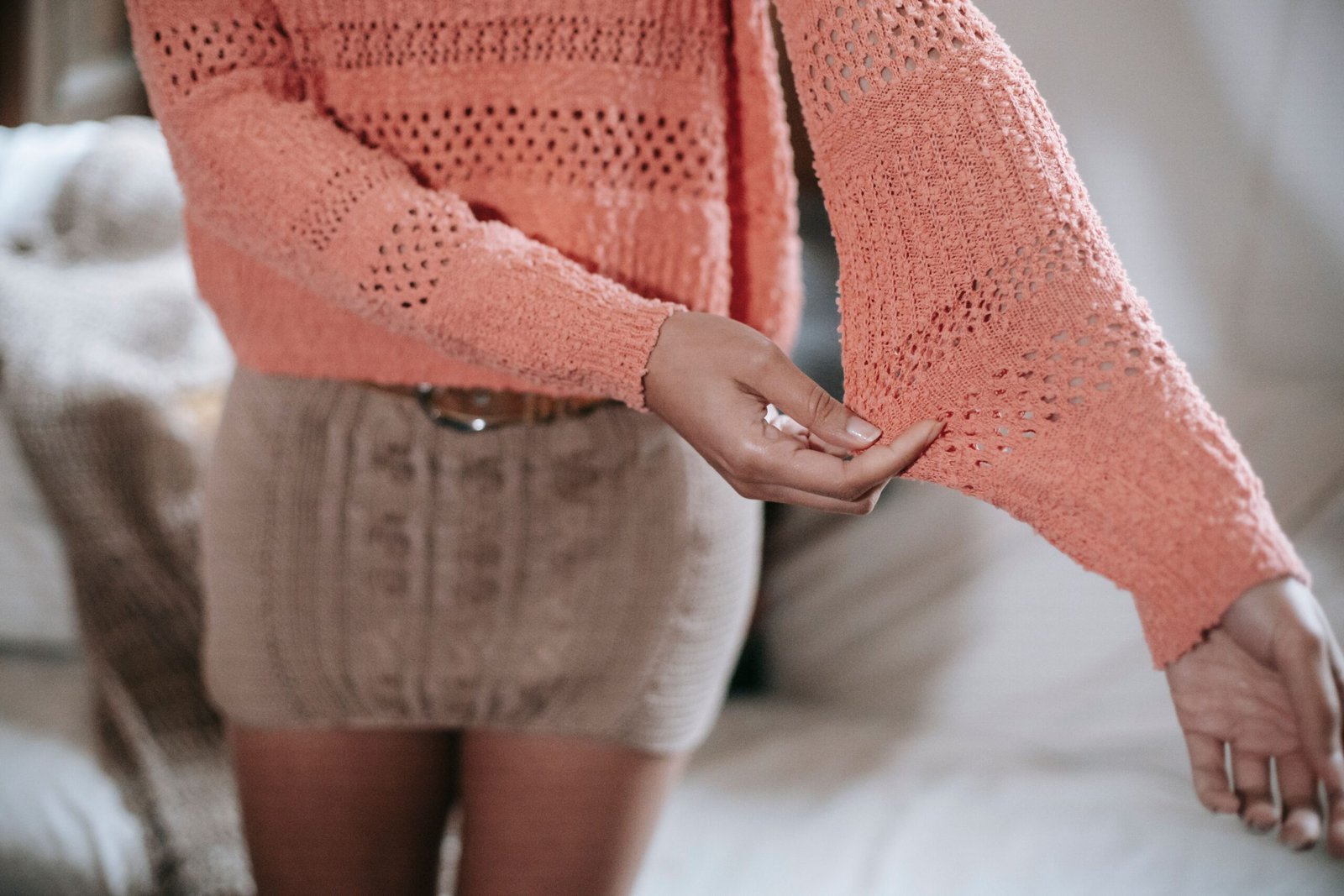
You should choose sweater yarn by following the pattern’s guidance first, then considering stitch definition, drape, warmth, comfort, care, and the fabric you want to create.
The yarn and hook work together, so a substitution can affect more than color. A different fiber, thickness, texture, or twist may change the size, weight, flexibility, and appearance of the finished sweater. If you substitute, make a swatch using the main stitch pattern rather than relying on a small sample of basic stitches.
Smooth yarn is often easier when learning because you can see the tops of the stitches, the row edges, and any shaping. Highly textured or fuzzy yarn may be attractive, but it can make counting and undoing mistakes more difficult. That does not mean textured yarn is off-limits; it simply deserves a careful test before you commit to the entire garment.
Think about drape. An open stitch and a flexible fabric may suit a light layering piece, while a dense stitch may create a more structured sweater. The intended use should guide the choice. A fabric that looks appealing in a tiny swatch may feel too heavy, stiff, or warm when repeated across a full body.
Care is another practical consideration. Check the yarn’s care guidance and think honestly about how often you expect to wear the sweater. A garment that requires careful handling may not suit your everyday wardrobe, while a special-occasion layer may be worth the extra attention.
Swatching also gives you a chance to explore color. A single shade can highlight texture, while stripes can make a simple construction feel more distinctive. You might use contrast at the cuffs and hem, divide the yoke from the body, or place a feature color in a central panel. Write down the sequence so both sleeves can match when that matters to you.
If you want to understand how a different material behaves before choosing yarn for a wearable, this guide to mercerized cotton crochet thread offers useful perspective on surface, stitch definition, tension, and project planning. Thread is not a direct sweater substitute, but the same habit of testing the material first applies to any crochet garment.
How Do You Choose the Right Sweater Size and Fit?
You choose the right sweater size by comparing your body measurements and preferred ease with the pattern’s finished measurements, rather than relying on a size label alone.
Start with the measurements the pattern provides. These may include chest or bust, body length, shoulder width, sleeve length, upper arm, cuff, and neckline. Then compare them with a sweater you already like. Laying a favorite garment flat and measuring corresponding areas can give you a useful visual reference.
Ease is the amount of room built into the finished garment beyond your body measurements. A close-fitting design needs a different amount of ease from a relaxed pullover or cardigan. Consider what you plan to wear underneath and how much movement you want through the shoulders and arms.
Length is one of the easiest details to personalize, but changes can affect borders, stripes, and stitch repeats. If you add or remove rows, check that the final section still ends at the correct point in the pattern. A hem that depends on a repeat may need careful planning before you change the body length.
Sleeves deserve attention early rather than as an afterthought. Check the upper arm, sleeve opening, cuff, and length. If the construction allows you to try on the garment as you work, move your arms and bend your elbows. A sweater should feel comfortable in motion, not only look balanced when laid flat.
For a relaxed garment with a different silhouette, you might also explore free crochet sweater pattern designs. Compare the shape, construction, and finished measurements carefully instead of assuming that every beginner pattern will fit in the same way.
Which Stitches Make Easy Crochet Sweaters Look Stylish?
Simple texture, thoughtful borders, color changes, openwork, and carefully placed stitch details can make an easy crochet sweater feel stylish without making the whole project difficult.
Textured feature panels
A feature panel can run down the center front, across the yoke, along the sleeves, or around the hem. Clusters, shells, post stitches, and other raised textures can add interest while the rest of the garment remains simple.
Before using a textured repeat in a sweater, make a sample large enough to show its width and height. A stitch pattern may draw the fabric inward, spread it outward, or change the amount of stretch. Check those effects before building the garment around it.
Open and lacy sections
Openwork can create a lighter-looking sweater, especially when chain spaces and taller stitches form a repeating design. You can use it across the yoke, as a sleeve detail, or in alternating panels rather than covering the entire garment.
Remember that openness affects coverage and structure. Consider what you will wear underneath and whether the fabric needs support at the neckline, cuffs, or shoulder seams. A small swatch will show you more than a photograph can.
Ribbed edges and borders
Ribbed cuffs, waistbands, and necklines help frame a sweater and can add a little flexibility. Follow the pattern’s instructions closely because the edge may be worked separately, attached afterward, or built into the main fabric.
Keep the border relaxed enough to sit comfortably. A beautiful neckline can become frustrating if it pulls inward or feels difficult to pull over the head. Measure and check the edge before completing the final finishing.
Colorwork and stripes
Stripes are a practical way to personalize a simple sweater. Try narrow bands, broad blocks, a contrasting yoke, or a different shade on the cuffs. If you want matching sleeves, record every color change and the number of rows in each section.
For more stitch inspiration, browse these interesting crochet stitches and unique patterns. Use a stitch as an accent or sampler before committing to it across a full sweater. A design that looks engaging in a small square may need adjustment when it controls the width and drape of an entire garment.
What Should You Check Before Starting Sweater Crochet Patterns Free?
Before starting a free crochet sweater pattern, check the materials, terminology, gauge guidance, finished measurements, construction order, and finishing instructions.
Free does not mean you should skip preparation. Read every section and mark the size you plan to make. If several sizes are written together, highlight or circle only the numbers that apply to you. This reduces the chance of accidentally switching sizes halfway through a sleeve or yoke.
- Make a swatch: Use the main stitch pattern and the recommended hook or a stated alternative.
- Measure the fabric: Compare both stitch and row proportions where the pattern provides them.
- Check the feel: Decide whether the swatch is comfortable, flexible, dense, warm, and suitable for the intended sweater.
- Mark the pattern: Identify increases, decreases, repeats, color changes, and joining points before crocheting.
- Prepare your tools: Gather stitch markers, scissors, a measuring tool, a yarn needle, and a notebook.
Keep notes as you work. Record the yarn, hook, gauge, size, modifications, completed rows, and color sequence. If you pause for a few days, a short note about which side is the right side or where the last increase occurred can save a great deal of rechecking.
It is also wise to correct problems early. If the fabric is much wider, narrower, longer, or shorter than expected, stop and investigate. Check the stitch count, tension, hook, and pattern terminology before continuing. Fixing a small section is usually easier than trying to compensate across an entire body.
How Should You Finish and Care for a Handmade Sweater?
You should finish a handmade sweater by checking its shape, securing seams and yarn ends, following the pattern’s finishing method, and caring for the fabric according to the yarn guidance.
Lay the pieces flat and inspect the shoulders, side seams, sleeve joins, cuffs, hem, and neckline. Look for puckering, gaps, loose loops, or edges that pull. If the sweater is made from panels, confirm that the right sides face the correct direction before joining.
Seaming can change the comfort and appearance of a garment, so work slowly. Match corresponding rows or stitches and use the joining method described by the pattern. Underarm and shoulder areas deserve particular attention because they experience movement when the sweater is worn.
Weave in ends securely without pulling the fabric into gathers. You can finish sections as you go when the construction allows, which keeps the final stage from becoming a large, discouraging task. Trim only after each end feels secure.
Blocking or washing may help the finished sweater settle into shape, but the appropriate method depends on the yarn and project. Follow the yarn label and pattern guidance instead of assuming that every crochet sweater should be treated identically. If you are uncertain, test the process on your swatch first.
Before storing the sweater, try it on and move naturally. Raise your arms, sit down, and check the neckline, sleeve length, body length, and hem. A garment can look even on a flat surface yet feel different when your body is moving.
Finally, keep your project notes. The yarn, hook, gauge, finished measurements, and modifications become valuable information for your next garment. Every sweater teaches you something about fabric, fit, and the choices that make handmade clothing feel like your own.
What Should You Make Next?
Your next step is to choose one sweater construction, compare its finished measurements with a garment you already enjoy, and make a swatch in the actual stitch pattern before beginning the full project.
If this is your first crochet sweater, a relaxed design with clear instructions and familiar stitches can give you space to learn. Add personality through stripes, a textured panel, a contrast border, or a carefully chosen neckline. You do not need complicated shaping to create a garment that feels special.
As your confidence grows, explore top-down designs, openwork yokes, color changes, and more detailed stitch repeats. Keep your notes, save successful swatches, and treat every adjustment as useful information rather than a mistake.
Choose a pattern that makes you curious, prepare the materials thoughtfully, and give yourself permission to work slowly. The most rewarding sweater is not necessarily the most complicated one; it is the design that helps you enjoy the making and gives you a garment you are genuinely excited to wear.