Tr Crochet Stitch: How to Make the Treble Crochet Stitch
Learn the tr crochet stitch with clear steps, turning chains, tension tips, troubleshooting, and project ideas for treble crochet beginners.
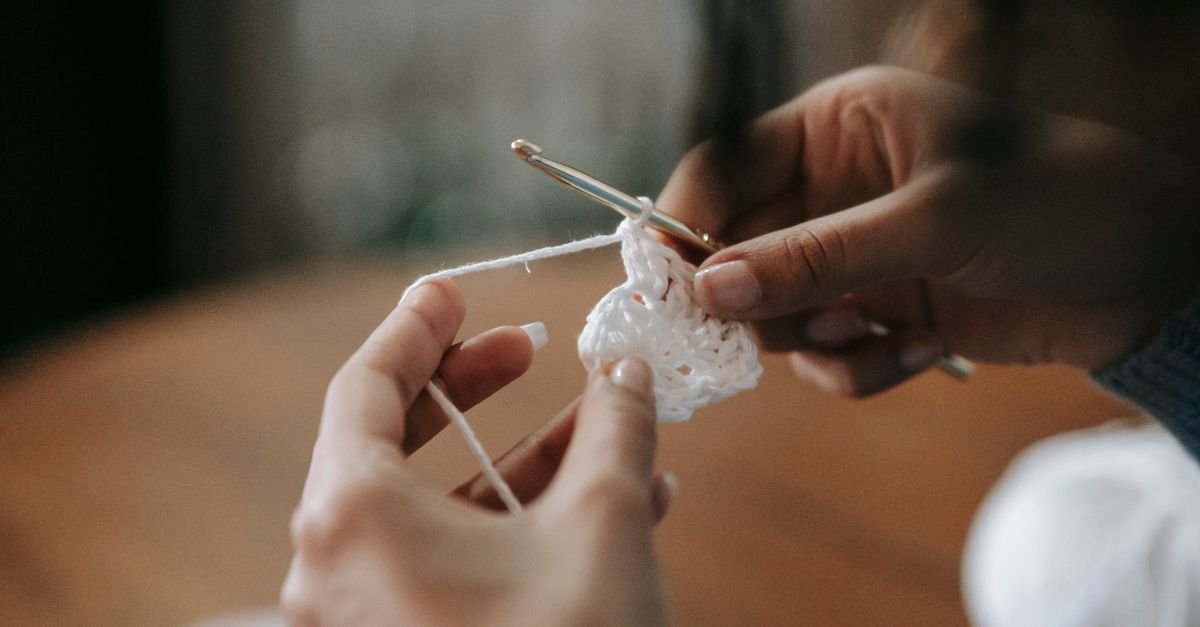
The tr crochet stitch is one of the tallest basic crochet stitches, creating an open fabric with plenty of drape and a lovely vertical rhythm. You may also see it written as treble crochet or abbreviated as tr in a pattern. Once you understand the motion, this stitch becomes a useful way to add height, texture, lace-like spaces, and quick growth to your projects.
In this guide, I’ll walk through the tr crochet stitch slowly, explain how to count it, show where beginners commonly lose a loop, and share practical ways to use it in patterns. I’ll use standard US crochet terminology throughout. If you’re reading a pattern from a different crochet tradition, check its abbreviation key before beginning because stitch names can vary.
Table of Contents
What is the tr crochet stitch?
The tr crochet stitch is a tall stitch made by wrapping the yarn around the hook twice before inserting the hook into the next stitch. After pulling up a loop, you work off the loops in pairs until only one loop remains on the hook.
Because it is taller than a single crochet, half double crochet, double crochet, or similar shorter stitches, treble crochet creates more space between the stitch posts. That makes it useful for lightweight fabric, open textures, decorative motifs, shells, fans, shawls, blankets, and garments.
In US terminology, the standard abbreviation is usually tr. Some patterns may write the instruction in full as “treble crochet.” Always read the pattern’s abbreviation key, especially if the designer uses terminology from another country. A stitch name that looks familiar may not mean the same movement in every pattern system.
Before practicing, gather a smooth yarn, the hook recommended for your sample or pattern, scissors, and a yarn needle. A light or medium color can make the loops easier to see. Extremely dark, fuzzy, or highly textured yarn may hide the individual strands while you’re learning the sequence.
How do you make the tr crochet stitch?
You make the tr crochet stitch by wrapping the yarn twice, inserting the hook, pulling up a loop, and working through the loops two at a time three times. The motion is repetitive, but the loop count is what keeps the stitch accurate.
- Yarn over twice: Wrap the working yarn over the hook two times. You should have the original loop plus two wraps on the hook.
- Insert the hook: Put the hook into the next stitch, space, or chain specified by your pattern.
- Pull up a loop: Catch the yarn and pull it back through the stitch. There should now be four loops on the hook.
- Work through two loops: Yarn over and draw the yarn through the first two loops on the hook. Three loops remain.
- Work through two again: Yarn over and pull through the next two loops. Two loops remain.
- Finish the stitch: Yarn over once more and pull through the final two loops. One loop remains on the hook, and the treble crochet is complete.
The easiest way to remember the movement is “wrap twice, insert, pull up, then pull through two three times.” If you pull through all the loops at once, you’ll create a different stitch. Take a moment to count the loops after pulling up the new loop; that pause can prevent many mistakes.
Keep the wraps reasonably relaxed. If they are too tight, the hook may struggle to pass through the pairs of loops. If they are extremely loose, the finished stitch may look stretched or uneven beside the other stitches.
How do you practice treble crochet in a foundation chain?
You can practice treble crochet in a foundation chain by making a chain long enough for several stitches, adding the turning chains required by your pattern, and working into the chain spaces with consistent tension. A small swatch lets you focus on the motion without worrying about a complicated design.
Begin with a foundation chain. The pattern you’re following should tell you how many chains to make and whether the turning chain counts as a stitch. For a practice swatch, make more chains than you think you need so you have room to repeat the movement several times.
When you reach the end of the foundation chain, count the turning chains carefully. In many US crochet patterns, treble crochet uses a taller turning chain than double crochet, but the exact number and whether it counts as the first stitch depend on the pattern. Don’t assume that every designer handles the turning chain identically.
Work your first treble crochet into the chain indicated by the instructions. To insert the hook cleanly, look for the top loops of the chain and keep the chain facing the same way as you work. If you accidentally twist the foundation, the first row may be difficult to read and the edge can look uneven.
Continue across the row, placing one tr crochet stitch into each specified chain or space. After every few stitches, pause to compare their height. The tops should form a reasonably even line, while the tall posts should stand beside one another rather than leaning dramatically in different directions.
At the end of the row, turn your work and follow the pattern’s turning-chain instructions for the next row. Look for the top of the first actual stitch and the final stitch location. These edge stitches are easy to miss, particularly when the turning chain is tall.
For a useful beginner project after your swatch, you might explore broader crochet projects for beginners. The same habits—marking the first stitch, checking the row ends, and counting regularly—will help with any pattern that uses taller stitches.
How do you count and recognize a tr crochet stitch?
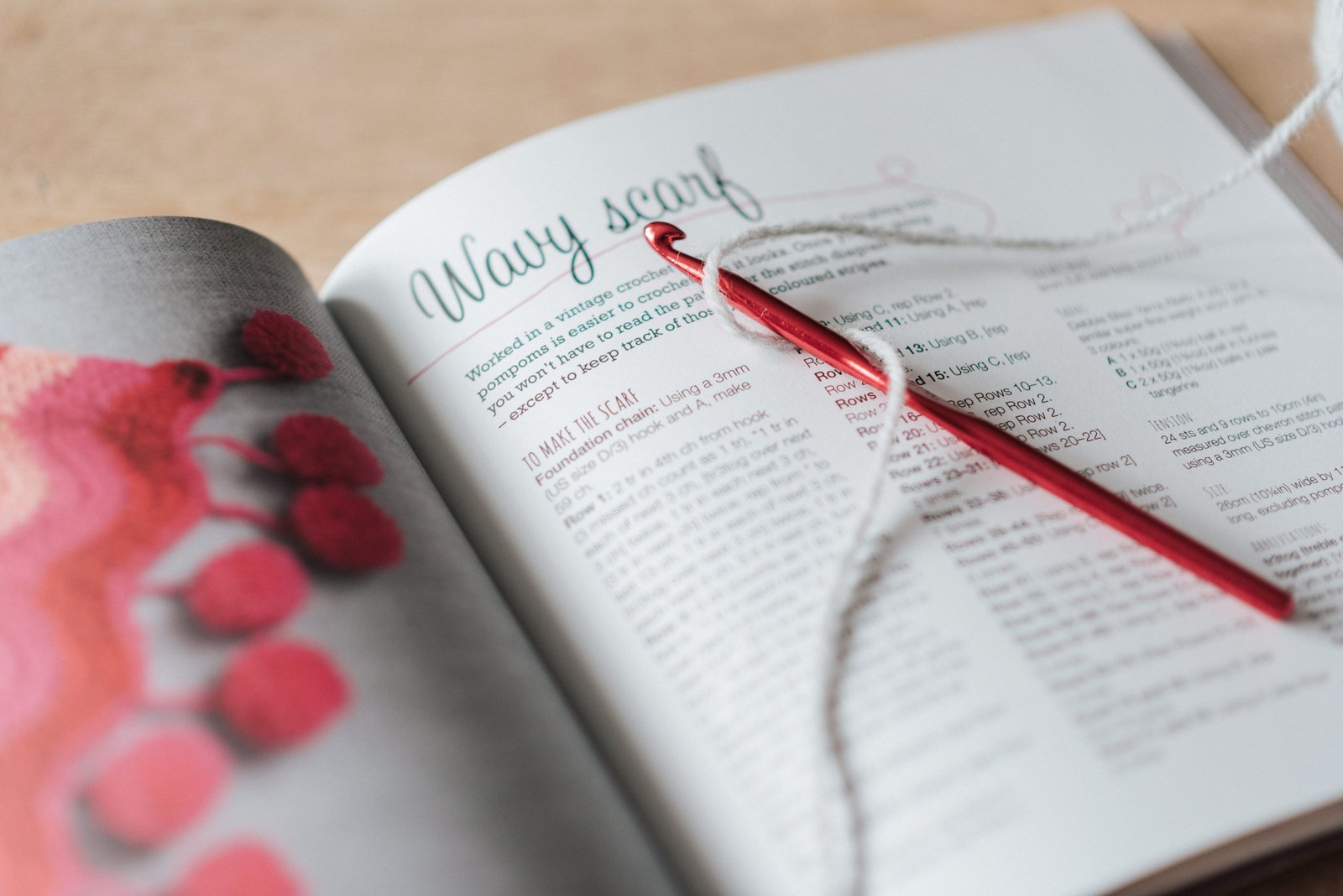
You count a tr crochet stitch by identifying its top “V” and its tall vertical post, while remembering that the turning chain may or may not count as a stitch. The top loop is the place where the next row is usually worked, but the pattern’s instructions determine exactly where your hook belongs.
From the front, a treble crochet looks taller and more open than a double crochet. Its post has several horizontal strands created by the yarn-over steps, and its top forms a small V just like many other crochet stitches. When counting across a row, count the V-shaped tops rather than the vertical bars alone.
At the beginning of a row, determine whether the turning chain counts as the first tr. If it does, the chain usually occupies the first stitch position and you may skip the first actual stitch. If it does not, you generally work into the first stitch. Follow the pattern’s wording consistently from row to row.
A stitch marker can help with the first and last stitch. Place one in the edge stitch if you’re having trouble seeing where the row begins or ends. Remove it as you work into that stitch, then replace it in the new row if needed.
When counting a completed row, include only the stitches the pattern identifies as stitches. A turning chain may count, or it may simply provide height for the first stitch. This small distinction affects the total count and the shape of the edges.
What mistakes happen when working the tr crochet stitch?
The most common tr crochet stitch mistakes involve losing a loop, working into the wrong place, changing the number of yarn overs, or missing edge stitches. Slowing down at the transition between steps usually solves the problem before it spreads across the row.
- The stitch is too short: Check that you wrapped the yarn twice before inserting the hook. One yarn over creates a different stitch.
- You have too many loops: Count the loops after pulling up the new loop, then work through two loops at a time. Avoid accidentally catching an extra strand.
- The stitch is loose and floppy: Try keeping the wraps and pull-up loop closer to the shaft of the hook. Excessively tall loops can make the fabric uneven.
- The row has fewer stitches: Inspect the first and last stitch, where tall turning chains can make the edge difficult to read.
- The fabric leans: Check whether you are inserting the hook into the same part of each stitch and keeping your yarn tension consistent.
- Large gaps appear: Compare the height of the pull-up loop with the other stitches and avoid stretching the working loop while moving the hook.
If your stitch looks wrong, don’t immediately undo the entire row. First compare one completed stitch with the next. Count the loops and identify the exact step where the shape changed. Treble crochet is tall, so a small tension difference can look dramatic even when the stitch structure is correct.
It’s also worth checking whether the pattern uses a special version such as a front-post treble crochet, back-post treble crochet, crossed treble, or treble crochet cluster. Those stitches begin with a similar setup but use a different insertion point or finishing sequence. Follow the pattern’s abbreviation key rather than substituting a standard tr automatically.
How can you use the tr crochet stitch in projects?
You can use the tr crochet stitch in projects wherever you want height, openness, movement, or a quick increase in fabric size. It works especially well when alternating with shorter stitches because the difference in height creates visible texture.
Treble crochet can form fans and shells when several tall stitches are worked into one space. It can also create open ladders when separated by chain spaces. Repeated rows of treble crochet can make a lightweight fabric, while treble stitches combined with denser rows can add contrast to a blanket or accessory.
Try using tr crochet for:
- Open shawl or scarf sections.
- Decorative blanket stripes.
- Floral petals and pointed motifs.
- Shells, fans, and lace-inspired borders.
- Large geometric color blocks.
- Textured garment panels.
- Fast-growing rows in a larger project.
Because the stitch creates a more open fabric, consider how much coverage and structure your project needs. A swatch will show you whether the spaces suit the yarn and the intended use. If the fabric feels too open, you can try a smaller hook only when that adjustment agrees with the pattern and produces a fabric you like.
Tall stitches can also add personality to three-dimensional designs. If a pattern includes decorative shaping on a crocheted creature, you may find the ideas in these crochet stuffed animal patterns useful for thinking about how stitch height changes a silhouette. The exact construction will vary, but the design lesson is helpful: stitch choice affects the outline as well as the surface.
For wearable projects, treble crochet can create airy sections, but fit and drape matter. Read the pattern’s gauge information and make a swatch in the actual stitch pattern. A small sample can reveal whether the fabric stretches, curls, or opens more than you expected.
How do you improve your tr crochet stitch tension?
You improve tr crochet stitch tension by keeping the yarn overs even, controlling the height of the pull-up loop, and allowing the hook to move without pulling the fabric tightly. The goal isn’t to make every stitch mechanically identical; it’s to create a consistent fabric that matches the project’s needs.
Try holding the hook in a relaxed grip. Let the hook’s shaft support the loops while you work through them rather than sliding the loops onto the narrow tip. This gives the loops enough room to pass over the hook without catching or tightening unexpectedly.
Pay attention to the yarn hand as well. If your fingers grip the yarn tightly, the wraps may become smaller than the pattern expects. If the yarn runs too freely, your pull-up loops may become taller. Make a few stitches, examine them, and adjust your hand position before continuing.
Practice turning the work without twisting the yarn. At the beginning of a new row, place the turning chain at the correct height, then locate the first stitch. If you repeatedly lose the edge, use a marker or place a small scrap of contrasting yarn through the first stitch.
Blocking or shaping may help some finished fabrics lie more evenly, but it is not a substitute for checking the stitch structure. The appropriate finishing method depends on the yarn and pattern. Follow the care guidance connected to your materials instead of applying heat, moisture, or stretching automatically.
If you enjoy watching crochet fabric grow in rows, an afghan crochet pattern can give you room to practice repeated stitch combinations. A large project may magnify uneven tension, so work a sample first and check the fabric regularly as it grows.
What should you try after learning treble crochet?
After learning treble crochet, try combining it with stitches you already know instead of moving immediately to the most complicated pattern you can find. A simple repeat can show you how height, spacing, and tension work together.
Start with alternating rows. A row of shorter stitches followed by a row of tr crochet can create a clear change in texture. Next, experiment with groups: work several tr stitches into one space for a fan, or separate tall stitches with chains for an open pattern. Keep notes about the sequence so you can reproduce the design later.
You can also explore treble crochet in wearable shapes. A sweater crochet pattern for beginners may help you think about how stitch choice affects drape, panel size, and garment construction. When a pattern uses a tall stitch, pay attention to row gauge as well as stitch gauge because the added height can change the finished length quickly.
Keep your first practice swatch nearby as a reference. Look at the yarn overs, the completed tops, and the spaces between the posts. If you make another swatch with a different yarn or hook, compare the two fabrics rather than judging the stitch in isolation.
Most importantly, give yourself time to develop the movement. The tr crochet stitch may feel slow while you count every loop, but the sequence becomes much more natural with repetition. Work carefully, count when you need to, and let the pattern guide the turning chains and stitch placement. Once the motion feels comfortable, treble crochet opens up a whole new range of airy textures, decorative shapes, and creative crochet possibilities.