Afghan Crochet Pattern: Cozy & Beautiful Designs
Explore cozy afghan crochet pattern ideas with practical yarn planning, stitch guidance, color inspiration, borders, shaping tips, and finishing advice.
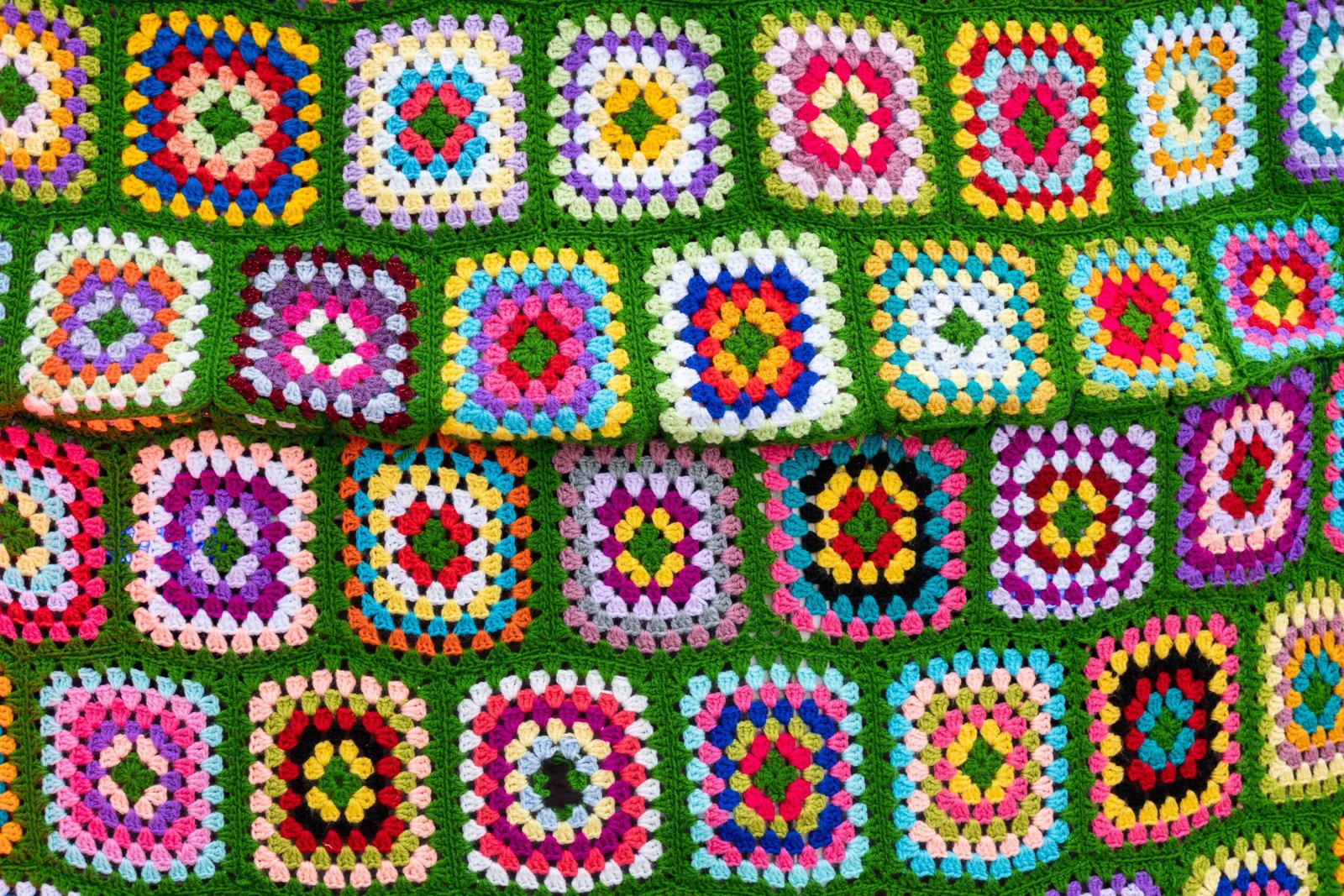
Finding an afghan crochet pattern is a lovely way to plan a project that feels both creative and useful. Afghans invite us to explore color, texture, motifs, shaping, and stitch rhythm on a larger canvas, but they can also feel a little intimidating when we’re staring at dozens of possible designs. I’m here to help you narrow down the choices and approach your next afghan with a clear plan.
Whether you prefer a simple striped throw, a collection of joined squares, or a more adventurous shaped design, the right pattern should give you room to enjoy the process. We’ll look at how to choose a suitable construction, organize your materials, keep your stitch counts under control, personalize the colors, and finish the blanket so the final details support the design.
Table of Contents
How do you choose an afghan crochet pattern?
You choose an afghan crochet pattern by matching the construction, stitch techniques, project size, and visual style to the way you want to crochet. A pattern can look appealing in a photograph, but the best choice is one whose instructions and workload suit your current skills and available time.
Start by deciding what kind of experience you want. If you enjoy steady rows and watching a design grow continuously, a one-piece afghan may be the most satisfying option. If you like variety and small milestones, an afghan made from squares, hexagons, or other motifs may keep the project feeling fresh. Motifs also make it easier to carry a smaller amount of work with you, although joining and arranging the pieces adds another stage at the end.
Next, consider the stitch pattern. Basic stitches can create a calm, understated fabric when worked in thoughtful colors. Textured stitches can make the surface more tactile, while open stitches create a lighter-looking design. If a pattern uses decreases, increases, changing stitch heights, or repeated motifs, read through those sections before beginning so you understand where the concentration will be needed.
It helps to browse a range of crochet blanket patterns before committing to one design. Look beyond the finished color palette and notice how the blanket is built. Is it worked from the center outward, from one edge to the other, in strips, or in separate motifs? Construction affects both the look of the finished afghan and the way the project feels in your hands.
Be honest about the kind of repetition you enjoy. Some crocheters love repeating one row until the blanket is finished. Others prefer a pattern that changes frequently. Neither approach is better. A project becomes much easier to return to when its rhythm matches your own attention span and crochet habits.
What supplies should you plan for an afghan crochet pattern?

You should plan for yarn, a compatible hook, scissors, a yarn needle, stitch markers, a measuring tape, and a way to record your progress. The exact yarn quantity, fiber, weight, hook size, gauge, and finished measurements must come from the pattern instructions and yarn guidance you’re following rather than being guessed.
- Yarn: Choose a yarn that makes the stitches easy to see and suits the drape you want. Smooth yarn can be especially helpful when a pattern depends on counting stitch tops or identifying textured sections.
- Hook: Begin with the hook recommended by your selected pattern or yarn guidance. Make a small swatch if you need to check the fabric before starting the full afghan.
- Stitch markers: Use markers for row beginnings, center points, repeated pattern sections, or places where a count is easy to lose.
- Measuring tape: Check the growing project occasionally so changes in tension don’t surprise you near the end.
- Yarn needle and scissors: Keep them close for weaving in ends, joining motifs, and completing the border.
- Project notes: A notebook or simple row checklist can record colors, repeats, changes, and the last completed row.
Color planning deserves attention before you begin. You might choose a quiet palette of related shades, a high-contrast combination, a traditional arrangement of repeating colors, or a collection of leftovers that share a similar visual mood. Place small yarn samples beside one another before crocheting. Colors can look different when they sit together than they do on their own.
If your afghan will be made from motifs, decide whether you want every piece to match or whether variation is part of the design. Matching motifs create a regular appearance and simplify arrangement. A planned mix can feel more exploratory, but it helps to establish one repeated element—such as a common center, border round, or color—to keep the collection connected.
For more inspiration from motif-based projects, explore these crocheted afghan ideas. They can help you think about how individual pieces, color groupings, and joining choices affect the overall blanket.
How do you start an afghan crochet pattern without feeling overwhelmed?

You start an afghan crochet pattern without feeling overwhelmed by preparing a small sample, reading the complete instructions, and dividing the project into manageable stages. A large blanket becomes much less daunting when you focus on the next repeat rather than the entire finished size.
Read the pattern from beginning to end before making the foundation chain or first motif. Look for information about turning chains, stitch abbreviations, color changes, repeats, joining, and finishing. You don’t need to memorize everything. The goal is to understand the route the project will take.
Then make a sample using the stitch or motif that seems most important. A swatch lets you practice unfamiliar movements, see whether the fabric lies flat, and check whether the texture suits the yarn. It can also show you whether the pattern’s repeat is easy to recognize once you’re no longer looking at the written instructions.
If you’re working in rows, count the first row carefully and identify the first and last stitch before turning. Decide whether the turning chain counts as a stitch according to the pattern, then use that method consistently. Many uneven edges begin with a small misunderstanding at the row ends.
If you’re working motifs, finish enough of them to test the arrangement before making the entire collection. Lay them on a flat surface and move the colors around. This is an excellent time to notice whether one shade is appearing too often or whether the planned repeat needs more balance.
Break the work into small goals. You might complete one color section, one set of rows, or a few motifs during a sitting. Mark each finished stage in your notes. Visible progress helps maintain motivation, especially when the afghan is large enough that the final shape is still far away.
Try to keep your working area organized. Place each color in a separate bag, keep the pattern and notes together, and use a marker or safety pin to show the active side of the project. These simple habits reduce the time spent untangling yarn or searching for the last instruction you followed.
Which stitches and construction styles work well for afghans?
Many stitches and construction styles work well for afghans, including basic rows, textured repeats, stripes, modular motifs, and shaped sections. The most suitable choice depends on whether you want a predictable rhythm, a decorative surface, or a design that changes direction as it grows.
Simple stitch combinations are a practical starting point. Alternating rows of familiar stitches can create texture without requiring a complicated chart. They also make it easier to concentrate on even tension, clean edges, and color placement. This is useful when the yarn or palette is already the main feature of the design.
Stripes can be made narrow and regular or varied and expressive. A repeating sequence is easier to follow when you write the order down. If you’re changing colors frequently, weave in ends as you go or plan a finishing method that handles them neatly. Leaving every end until the final day can make the finishing stage feel much larger than expected.
Motif construction offers a different kind of rhythm. You can make squares or other units in batches, sort them by color, and join them after the crochet is complete. The main challenge is consistency. Keep your tension steady so the motifs have similar dimensions, and compare the early pieces before producing the rest.
Shaped afghans use increases, decreases, diagonal sections, points, or changing widths to create movement. These designs reward careful counting because the outline depends on stitch placement. Mark the shaping points and lay the work flat regularly. If the shape looks wrong, stop near the first place where it changed rather than continuing and hoping the border will correct it.
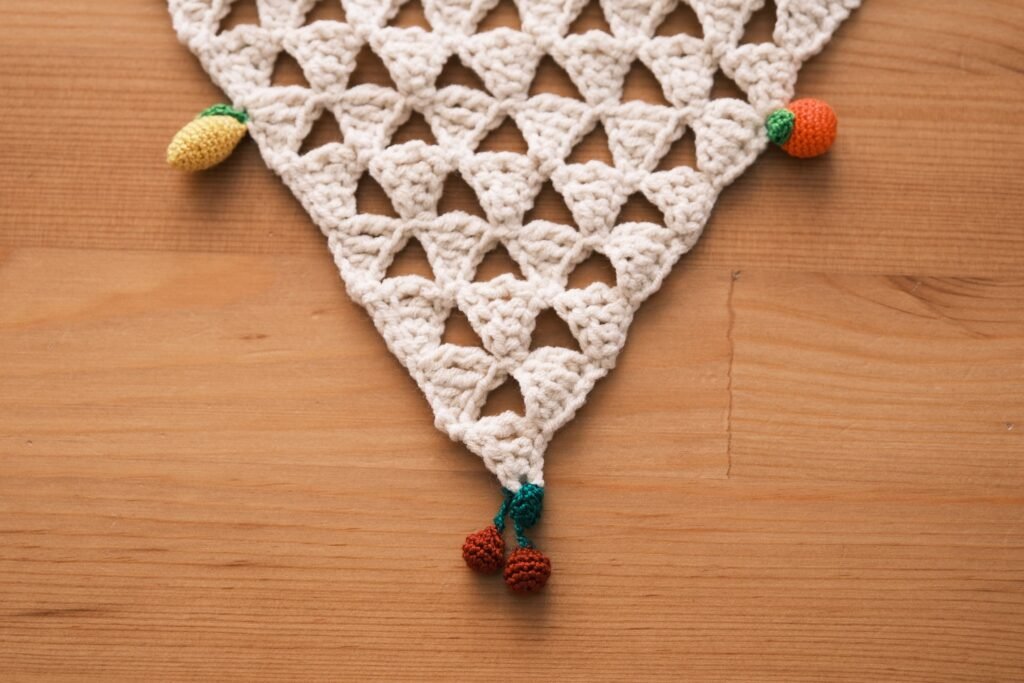
There’s also no rule that says every afghan must be a perfect rectangle. A pointed edge, stepped section, or asymmetrical panel can become the most distinctive part of the design. The important thing is that the shape is intentional and that the pattern gives you enough information to reproduce it consistently.
How can you personalize your afghan crochet pattern?
You can personalize an afghan crochet pattern by adjusting the color arrangement, border, motif layout, texture, or finished use while keeping the core stitch repeat consistent. Changing one design element at a time makes it easier to understand the result.
Color is usually the simplest place to begin. A single shade emphasizes stitch texture and construction. Two colors can create clear stripes or a strong border. Several related shades can produce a gentle transition, while contrasting colors make individual motifs or stitch lines stand out.
Before replacing the pattern’s colors, make a small sample or arrange yarn strands in the proposed order. Pay attention to value as well as hue. If all the shades have a similar lightness, the texture may become the main feature. If the values vary strongly, the pattern repeat may appear more graphic.
You can also personalize the border. A compact edging keeps the focus on the central fabric, while a wider decorative border can make a simple body feel more elaborate. A contrasting border clearly frames the afghan, but a matching border creates a quieter transition.
When changing the border, work a short test section first. If the edge pulls inward, it may need more stitches. If it ruffles, there may be too many stitches for that side. Corners and points need special attention, particularly on a shaped afghan. Let the fabric lie naturally instead of forcing it into a standard rectangular corner.
Motif layouts offer another opportunity to experiment. Try arranging units in orderly rows, rotating them to change the direction of the design, or grouping similar colors into larger sections. Take a quick photograph of arrangements you like before joining anything. That gives you a reference if the pieces need to be moved while you work.
For a smaller project or a practice piece, browse these crochet projects for beginners. A small project can help you test a stitch, palette, or joining idea before investing in a full-size afghan.
How do you keep an afghan crochet pattern neat as it grows?
You keep an afghan crochet pattern neat as it grows by checking stitch counts, managing tension, inspecting the shape, and correcting mistakes early. Regular pauses are more useful than rushing through a long section and discovering a problem much later.
Count at the end of important rows, especially rows with increases, decreases, color changes, or multiple stitch repeats. If the afghan is made from motifs, compare their dimensions as you go rather than waiting until the joining stage.
Watch the edges as carefully as the center. An extra stitch near a turning chain can make one side widen gradually. A missed stitch can pull the edge inward. Place a marker in the first or last stitch when those locations are difficult to see.
Lay the afghan flat from time to time. This helps you notice a drifting stripe, a missing repeat, a twisted motif, or an uneven outline. Don’t judge the project only while it is bunched in your lap; the overall design becomes much clearer when the fabric is spread out.
If you find a mistake, compare the current section with the pattern and identify where the structure first changed. Undoing a few rows or one motif may feel frustrating, but it is usually easier than trying to disguise a misplaced stitch beneath a large border.
Keep your tension relaxed and consistent. Tight stitches can make the fabric stiff and pull the foundation edge inward. Loose stitches can make the fabric difficult to control and may create gaps in a decrease or textured section. A sample gives you a chance to notice these issues before the afghan becomes large.
As the project grows, support the weight of the fabric in your lap or beside you rather than letting it pull heavily from the active stitch. Take short breaks and change your hand position if you feel strain. A comfortable rhythm makes it easier to maintain accurate tension over a long project.
What should you do when your afghan crochet pattern is finished?
When your afghan crochet pattern is finished, complete the final border, secure the loose ends, follow the yarn’s care guidance, and record the choices you made. Finishing deserves the same care as the main crochet because it determines how polished and usable the afghan feels.
Before fastening off, inspect the edges and corners. Check that the border has a consistent appearance and that no ends are still visible on the front. Weave in ends securely on the wrong side, taking care not to create bulky spots or pull the fabric out of shape.
Arrange or block the finished afghan only in a way that suits the yarn and the instructions you’re using. Avoid assuming that every fiber or stitch pattern should be treated identically. Let the fabric guide you, and use the yarn label or pattern notes for care details.
Take a few notes while the project is still fresh. Record the yarn, hook, stitch pattern, color order, motif layout, border, and any adjustments. These details can help you make a matching cushion, smaller throw, or second afghan without having to reconstruct every decision.
Once you understand the basic construction, you can explore more adventurous variations. Try changing the stripe rhythm, combining motifs with rows, moving the color contrast to the border, or using shaping to create a nontraditional outline. An afghan is large enough to teach you a great deal about tension, repetition, and design, but it can still begin with one manageable stitch repeat.
For a wider look at how crochet ideas and techniques have developed, visit this history of crochet techniques guide. It’s a thoughtful next stop when you want to connect your own project with the broader story of crochet.
Your next step is to choose one afghan crochet pattern that matches your preferred rhythm, make a small sample, and write down your plan before starting the full project. Choose colors you genuinely want to spend time with, keep the instructions close, and let the design develop one repeat at a time. With a little preparation and plenty of room for creative decisions, your afghan can become both a satisfying learning project and a lasting handmade piece.