Treble Treble Crochet Stitch: Step-by-Step Guide
Learn the treble treble crochet stitch with a clear step-by-step guide, turning tips, stitch counting help, uses, troubleshooting, and project ideas.
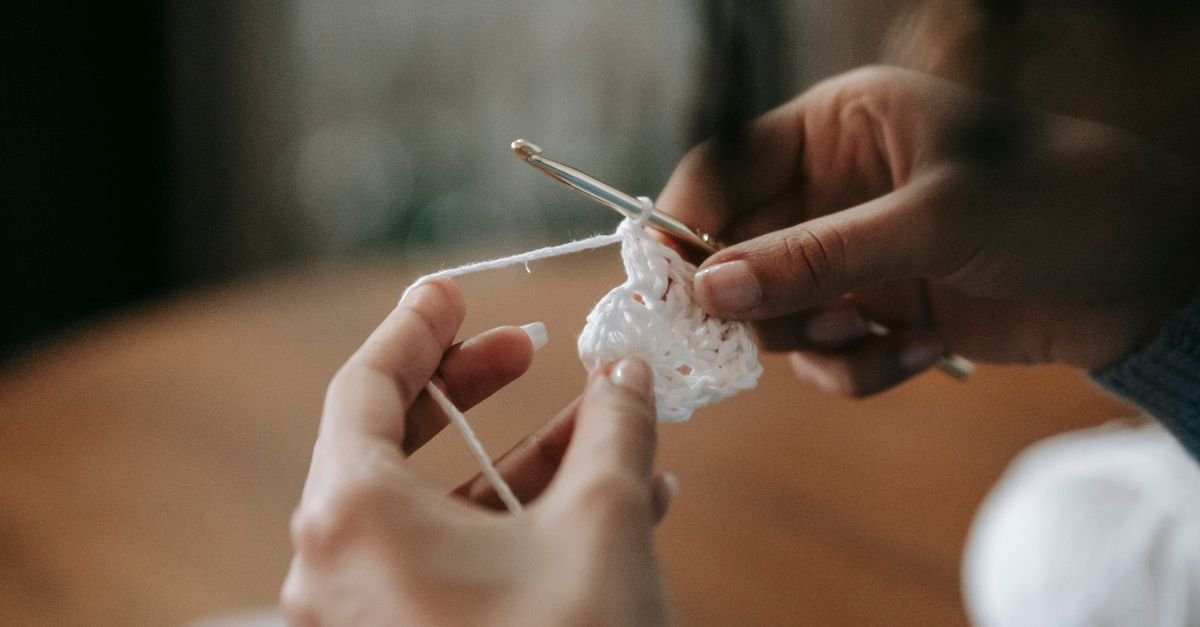
The treble treble crochet stitch is one of the tallest basic crochet stitches, creating an open fabric with plenty of height and movement. If you’re comfortable with chain stitches and working around the hook several times, this stitch is an exciting way to explore lace, dramatic texture, and quick-growing crochet fabric.
At first glance, the treble treble crochet stitch can look intimidating because it involves more yarn overs than shorter stitches. The movement is actually quite rhythmic once you understand what each group of loops means. In this guide, I’ll walk through the stitch step by step, explain how to turn for a row, show you how to count it, and share practical ways to use it in your projects.
Table of Contents
What is the treble treble crochet stitch?
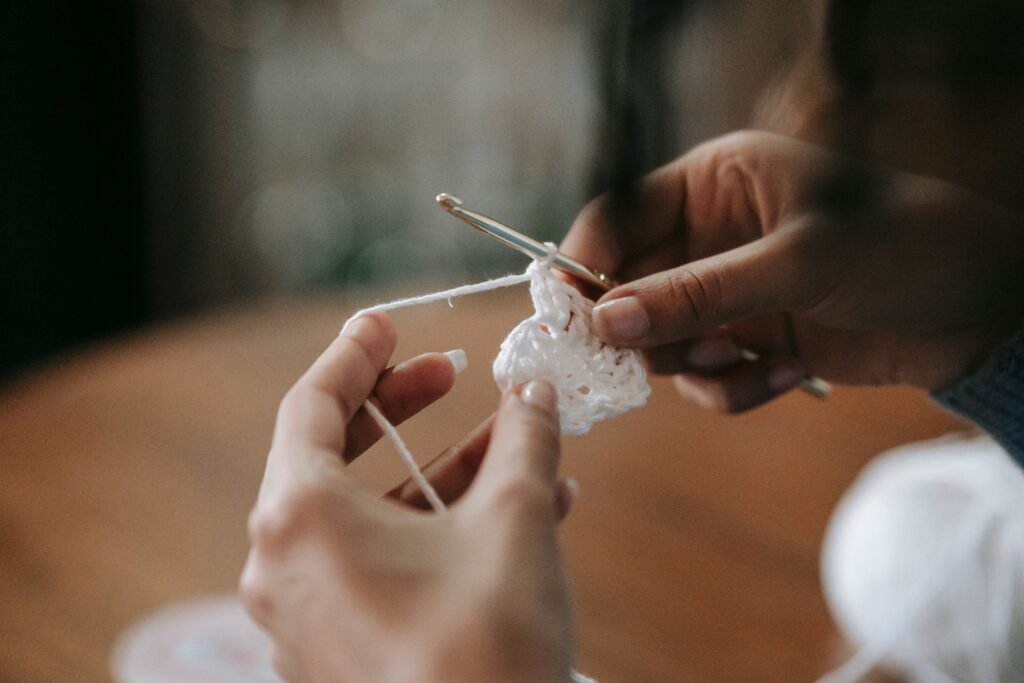
The treble treble crochet stitch is a very tall crochet stitch made by wrapping the yarn around the hook several times before inserting the hook into a stitch. It is also commonly called the quadruple crochet stitch in some crochet traditions, although naming can vary between patterns and regions.
The important thing is to check the pattern’s abbreviation and definition before you begin. A pattern may use a short form such as ttr, trtr, or another abbreviation, and the designer should explain exactly how many yarn overs are required. Never rely on the name alone when working from a pattern written in an unfamiliar crochet language.
Like other tall stitches, this stitch creates a looser and more open fabric than single crochet or double crochet. The added height can make a project grow quickly, but it also means the fabric may have more drape and larger spaces between stitches. That makes it useful for decorative rows, lace-inspired projects, dramatic borders, and designs that need an airy look.
If you’re still becoming comfortable with tall stitches, you may want to review this complete treble crochet guide for beginners first. Understanding the regular treble crochet stitch gives you a helpful foundation for the taller version.
What supplies do you need to practice the stitch?
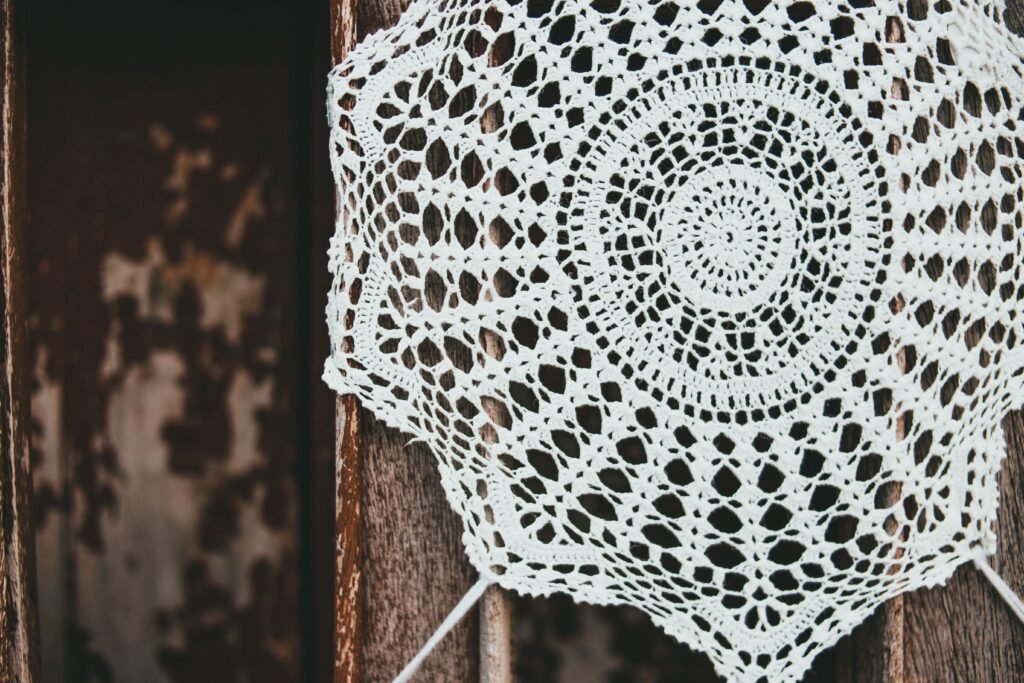
You need yarn, a crochet hook that suits your yarn and pattern, scissors, and a few stitch markers to practice the treble treble crochet stitch. A smooth yarn in a light or medium color is usually easier to read than a very dark, fuzzy, or heavily textured yarn because you can see each loop clearly.
- Yarn: Use the yarn recommended by your pattern when you’re making a project. For practice, choose a yarn that lets you see the loops and spaces without fighting the texture.
- Hook: Begin with the hook suggested by the pattern or yarn guidance. A different hook changes the size and openness of the fabric.
- Scissors: Keep scissors nearby for trimming the practice swatch or fastening off.
- Stitch markers: Mark the first or last stitch when the tall loops make the row edge difficult to identify.
- Measuring tape: This can help you compare the height and width of your sample with the pattern’s information.
For a first practice swatch, I recommend working a foundation chain long enough to give you several stitches across. The exact number is not important unless you’re following a particular pattern. What matters is having enough room to repeat the movement and observe how your tension affects the finished fabric.
Keep the yarn tension relaxed. Pulling every loop tightly can make it difficult to insert the hook into the next stitch, while loose loops can become uneven and hard to count. Tall stitches look their neatest when the loops have a similar height from one stitch to the next.
How do you work the treble treble crochet stitch step by step?
You work the treble treble crochet stitch by making the required yarn overs, inserting the hook into the target stitch, pulling up a loop, and then working through the loops in small groups. The repeated motion is the key: yarn over, pull through two loops, and repeat until one loop remains.
- Make your starting chain: Work a foundation chain according to your practice plan or pattern instructions.
- Make the turning chain: Use the number of turning chains specified by the pattern. Because this is a very tall stitch, the turning chain may be taller than the stitch itself, but pattern conventions differ.
- Yarn over several times: Wrap the working yarn around the hook the number of times required by your pattern’s definition of treble treble crochet.
- Insert the hook: Insert the hook into the next stitch or the location named in the instructions.
- Pull up a loop: Draw the yarn through the stitch. You should now have several loops on the hook.
- Work through two loops: Yarn over and pull through the first two loops on the hook.
- Repeat the pull-through: Yarn over and pull through the next two loops. Continue this same movement until only one loop remains on the hook.
- Complete the stitch: The remaining loop is the active loop for beginning the next stitch.
The number of pull-throughs depends on the number of loops created at the beginning, so don’t rush to memorize a count in isolation. Instead, look at the hook and keep removing two loops at a time. If you accidentally pull through the wrong number of loops, the stitch may become shorter, taller, or uneven compared with the rest of the row.
It helps to pause after making the yarn overs and before inserting the hook. Keep the wraps from sliding off the hook, but don’t squeeze them so tightly that the hook cannot move freely. With practice, the wraps will sit naturally along the shaft of the hook.
How do you turn after a row of tall stitches?
You turn after a row of tall stitches by following the pattern’s turning-chain instructions, rotating the work, and identifying whether the turning chain counts as a stitch. The exact turning-chain method is important because it affects the height of the row edge and the stitch count.
Before beginning a project, read the pattern’s notes about turning chains. Some patterns count the turning chain as the first stitch, while others do not. If it counts, the first stitch of the next row may be worked into a later stitch. If it does not count, you may work the first full stitch closer to the edge.
When a turning chain counts as a stitch, mark or mentally identify its top so you can include it when counting the row. When it does not count, be careful not to work into the turning chain accidentally. Many uneven edges come from switching between these two methods without realizing it.
At the end of a row, take a moment to locate the final stitch. Tall stitches can lean, and the top of the edge stitch may be less obvious than it is in single crochet. Counting the completed stitches before turning is a small habit that can save a lot of unraveling later.
How do you count and keep tall stitches even?
You keep treble treble crochet stitches even by counting the stitch tops, maintaining consistent loop height, and checking the number of stitches at the end of every important row. The vertical posts can make a row look larger than it really is, so count the tops rather than counting the long strands running downward.
Place a stitch marker in the first stitch or the row’s turning chain if the edge is difficult to recognize. You can also mark pattern repeats. This is especially useful when a design combines very tall stitches with shorter stitches, spaces, or increases and decreases.
Keep an eye on the spaces between stitches. A tall stitch naturally creates an open fabric, but unusually large holes may indicate that the loops were pulled too high or that the hook entered the wrong location. Very tight spaces can mean that the wraps or pull-throughs were tightened too much.
If your stitches are leaning in different directions, check how you hold the work while pulling through the loops. Try to keep the stitch upright instead of allowing the hook to twist sharply. You don’t need to force the post straight; you simply want a steady rhythm and similar tension throughout the row.
A small swatch is useful even when a pattern doesn’t emphasize one. It lets you see whether the fabric is open, flexible, firm, or unusually loose before you begin the full project. If the stitch is part of a fitted item, use the pattern’s gauge information rather than assuming that the practice swatch will match the finished measurements.
What common mistakes happen with this stitch?
The most common mistakes with the treble treble crochet stitch are making the wrong number of yarn overs, losing loops during the pull-throughs, working into the wrong stitch, and forgetting how the turning chain is counted. Each problem has a practical way to troubleshoot it.
- The stitch is too short: Check whether you made all the required yarn overs before inserting the hook. Also make sure you completed every pull-through stage.
- The stitch is unusually tall: You may have added an extra yarn over or pulled the loops much higher than the surrounding stitches.
- The stitch count keeps changing: Check the first and last stitch of every row and confirm whether the turning chain counts.
- The edge is slanted: Compare the turning chain and edge-stitch placement with the pattern instructions.
- Loops are slipping away: Keep the wraps on the hook shaft and avoid turning the hook sharply while pulling through.
- The fabric has large gaps: Check your loop height and make sure the hook is entering the correct stitch or space.
If you spot a mistake in the middle of a stitch, it is usually easier to carefully undo that stitch while the work is still on the hook. Tall stitches can look complicated after several rows have been added, so correcting an error early is worthwhile. Use your fingers to hold the remaining loops while you undo the movement slowly.
Don’t judge the finished texture too quickly. A tall stitch swatch can look awkward before it has been gently spread out, and the fabric may settle once several rows are complete. Still, if the stitch count or edge shape is clearly changing, stop and investigate rather than hoping the next row will fix it.
Where can you use the treble treble crochet stitch?
You can use the treble treble crochet stitch in open panels, lace-inspired motifs, decorative borders, shawls, wraps, scarves, lightweight blankets, and statement details. Its height makes it especially useful when you want the fabric to grow quickly or create a strong contrast beside shorter stitches.
Try placing the stitch in a repeating row with chains between groups. This can create a light, airy section with clear vertical lines. You can also alternate it with double crochet, treble crochet, or other stitches to create changes in height. The result can look almost architectural, with tall posts rising from a more compact background.
Another approach is to use it sparingly. A few tall stitches in a flower petal, fan, point, or border can create visual emphasis without making the entire fabric extremely open. This is a good option when you like the drama of the stitch but still want a stable main fabric.
For home projects, test the stitch in a small sample before using it in a large piece. A blanket made with very tall stitches may have more openings and drape than you expect. If you’re exploring blanket construction and color planning, browse these cozy afghan crochet pattern ideas for broader project inspiration.
Tall stitches can also add personality to accessories. A hat, scarf, or garment may use them as a panel, edging, or decorative stripe. If you’re interested in wearables, comparing the construction advice in this beginner sweater crochet pattern guide can help you think about how stitch height affects drape, fit, and joining.
Small three-dimensional projects can use tall stitches for ears, wings, tails, petals, or other decorative shapes. If you enjoy experimenting with shaped crochet, these crochet stuffed animal pattern ideas offer inspiration for combining basic shaping with expressive details.
How can you practice before starting a project?
You can practice by making a small swatch of repeated stitches, then testing the stitch in rows, spaces, and simple increases. Practicing in stages lets you focus on one movement at a time instead of trying to understand a full pattern immediately.
- Practice one stitch: Make several individual stitches and concentrate on the yarn overs and pull-through sequence.
- Work a plain row: Repeat the stitch across a foundation chain while counting the stitch tops.
- Turn the work: Practice the turning chain and compare the first and last stitches.
- Add spaces: Try working the tall stitch into chain spaces to see how the fabric opens.
- Combine heights: Alternate the stitch with shorter stitches and observe the change in texture.
- Record your method: Write down the pattern definition you used so you can return to it later.
Keep the practice piece as a reference. You can label one side with the turning-chain method, note the yarn and hook, and mark any rows where you experimented. This is particularly helpful because stitch names and abbreviations can differ between patterns.
If you enjoy moving between small and large crochet projects, you can also explore easy crochet blanket patterns for ideas about using repeated stitch textures on a larger scale. Start with a small sample first, especially if the design depends on a particular openness or drape.
The next step is to choose a simple project that gives the stitch room to be seen. Read the stitch definition, check how the turning chain is handled, and make a small swatch before committing to the full pattern. Once the yarn overs and pull-throughs become a steady rhythm, the treble treble crochet stitch becomes a wonderfully expressive tool for adding height, openness, and movement to your crochet.