Treble Crochet: A Complete Guide for Beginners
Learn treble crochet step by step with clear instructions, turning chains, tension tips, common mistakes, and simple project ideas for confident beginners.
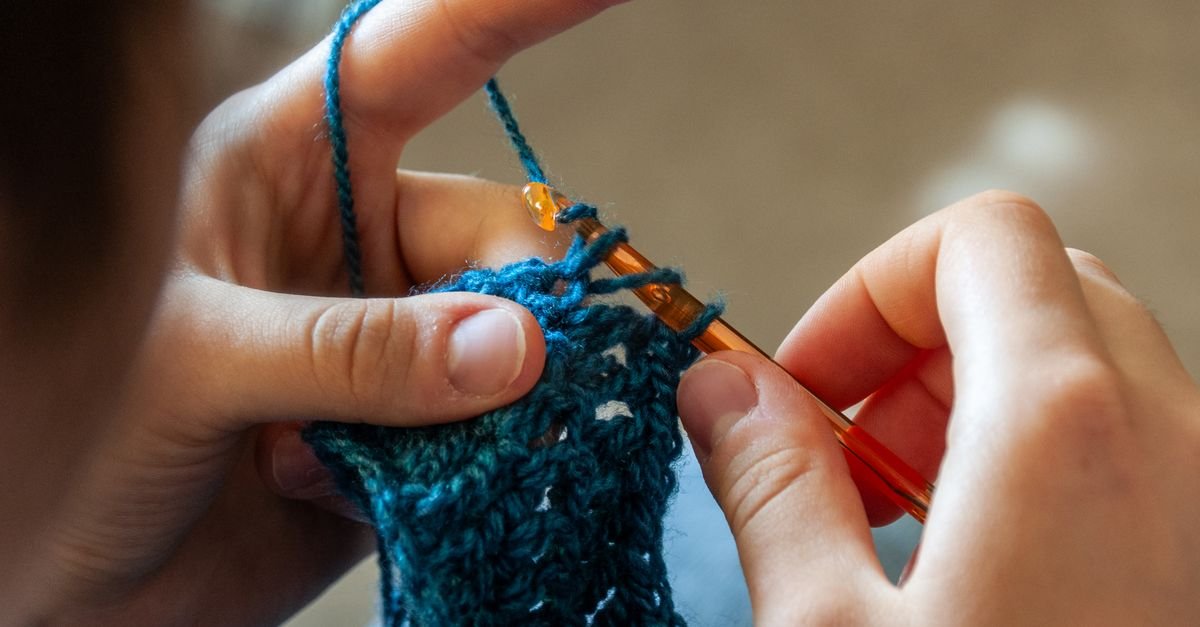
Treble crochet is one of the tallest basic crochet stitches, and learning it can make your work grow quickly while adding a light, open texture. If you already know how to make a chain and work a double crochet, you’re ready to explore this next step. In this complete guide, I’ll walk you through treble crochet slowly, explain what each loop is doing, and share the small tension adjustments that make this stitch much easier to control.
Tall stitches can look intimidating at first because they involve more yarn overs and pull-throughs than shorter stitches. The good news is that the motion is wonderfully repetitive. Once your hands understand the sequence, treble crochet becomes a useful stitch for airy fabrics, decorative motifs, lace-inspired rows, borders, and projects that need height without a dense fabric.
Table of Contents
What is treble crochet?
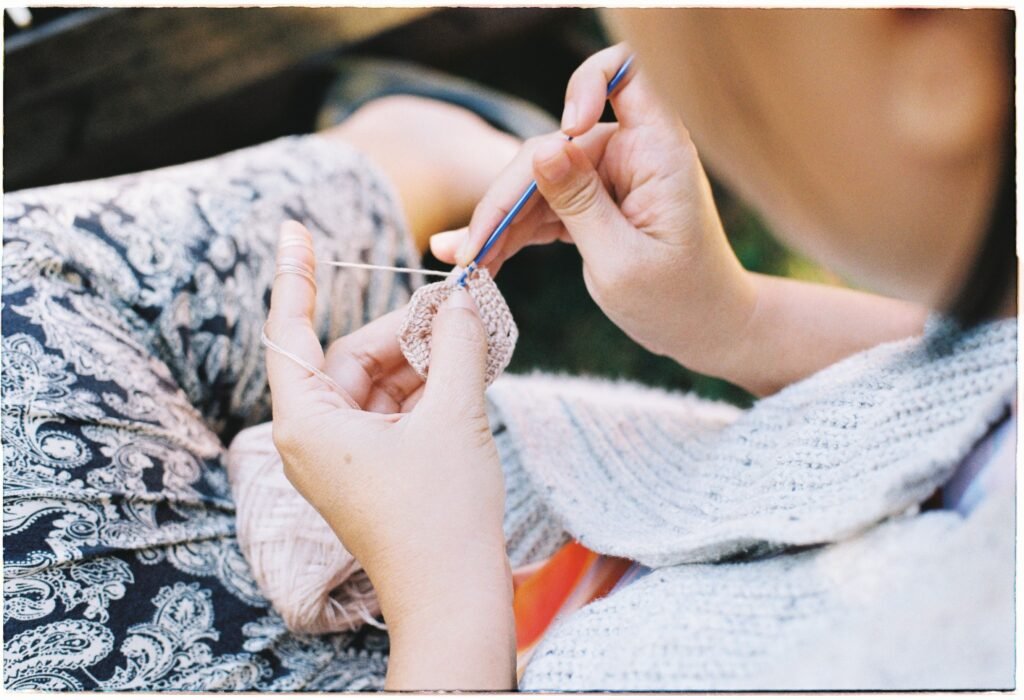
Treble crochet is a tall stitch made by wrapping the yarn around the hook more than once before inserting the hook into the next stitch, then working through the loops in stages. It creates a taller fabric than single crochet, half double crochet, or double crochet, so each stitch has a more open appearance.
Depending on the pattern’s terminology, you may see this stitch described differently. Many patterns using US terminology call it treble crochet and abbreviate it as tr. Some patterns using UK terminology use “double treble” for the same stitch. Always check the pattern’s abbreviation key before starting, because a terminology difference can change the height of every row.
Visually, a finished treble crochet stitch has a tall central post with a series of small horizontal bars near the top. Those bars are useful when you’re learning to identify the stitch, count rows, or find the correct place to insert your hook on the next round.
If you’re still getting comfortable with slip knots, chains, and basic stitch structure, my beginner’s guide to crochet basics is a helpful place to refresh those foundations before practicing this taller stitch.
What you need to practice treble crochet
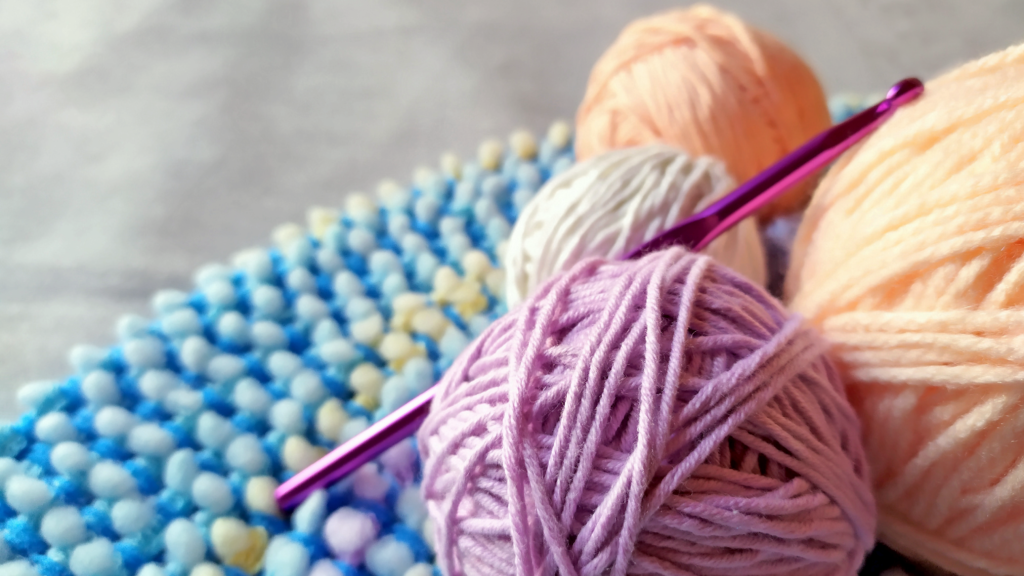
You only need a few simple supplies to practice treble crochet: yarn, a compatible crochet hook, scissors, and a yarn needle for finishing. Choose a smooth, light-colored yarn if you’re learning. Pale or medium shades make it easier to see the top loops and the vertical posts, while very dark or fuzzy yarn can hide the details you’re trying to study.
- Yarn: Choose a yarn that feels comfortable in your hands and has a clearly visible strand.
- Crochet hook: Start with the hook suggested on your yarn label, then adjust if your fabric feels uncomfortably tight or loose.
- Scissors: You’ll need them when you finish your practice swatch.
- Yarn needle: Use it to weave in your ends neatly.
- Stitch marker: This is optional, but useful for marking the first or last stitch in a row.
For your first practice piece, avoid trying to match a particular gauge or finished size. The goal is to understand the movement of the stitch. Make a small swatch, notice how your hands feel, and adjust your tension gradually instead of trying to force every stitch into the same shape immediately.
How to make treble crochet step by step
To make one treble crochet stitch, begin with a loop on your hook and work through the stitch in a series of yarn overs and pull-throughs. I recommend saying the sequence quietly as you practice: yarn over twice, insert, yarn over and pull up, then pull through two three times.
- Yarn over twice. Wrap the working yarn around your hook two times. You should now have the original loop plus two wraps on the hook.
- Insert the hook. Put the hook into the next stitch or chain space where the pattern tells you to work.
- Yarn over and pull up a loop. Bring the yarn through the stitch. You’ll now have four loops on your hook.
- Yarn over and pull through two loops. This reduces the loops on your hook by two.
- Repeat the pull-through. Yarn over and pull through the next two loops.
- Complete the stitch. Yarn over one more time and pull through the final two loops.
That is one treble crochet. The most important detail is not to rush the pull-throughs. Keep the loops on your hook at a similar height, and draw the yarn through gently so you don’t accidentally tighten one section of the stitch more than another.
After the final pull-through, you should have one loop left on your hook. The tall post below it is your completed stitch. Take a moment to look at it before making the next one. Recognizing the shape will help you find the right insertion point when you work across a row.
How to work into a foundation chain
When you’re practicing into a foundation chain, count the chains carefully and insert the hook into the chain specified by your pattern. The first few chains may be used to create the height needed at the beginning of the row, so don’t assume the stitch immediately beside your hook is always the first place to work.
Foundation chains often twist while you’re learning. If that happens, lay the chain flat and identify the small V shapes along the top. Keeping the chain supported with your fingers can make the insertion point easier to see. Work loosely enough that the hook can enter without stretching or splitting the yarn.
How to turn a row of treble crochet
At the end of a row, turn your work and make the turning chain required by the pattern. Because treble crochet is tall, its turning chain is taller than the turning chain used for shorter stitches. Patterns vary in whether that turning chain counts as a stitch, so follow the written instructions and note whether you should work into the first stitch or skip it.
This is one of the most common places for beginners to gain or lose stitches. Before you turn, pause and identify the final completed treble crochet. After turning, find the first real stitch at the edge of the row. If the turning chain counts as a stitch, the top of that chain may be treated as part of the stitch count. If it does not count, you’ll usually work into the first stitch itself.
Place a stitch marker in the first or last stitch while you practice. It won’t replace counting, but it gives your eye a clear landmark. At the end of each row, count the tall posts and compare that number with the pattern instructions.
How to improve treble crochet tension
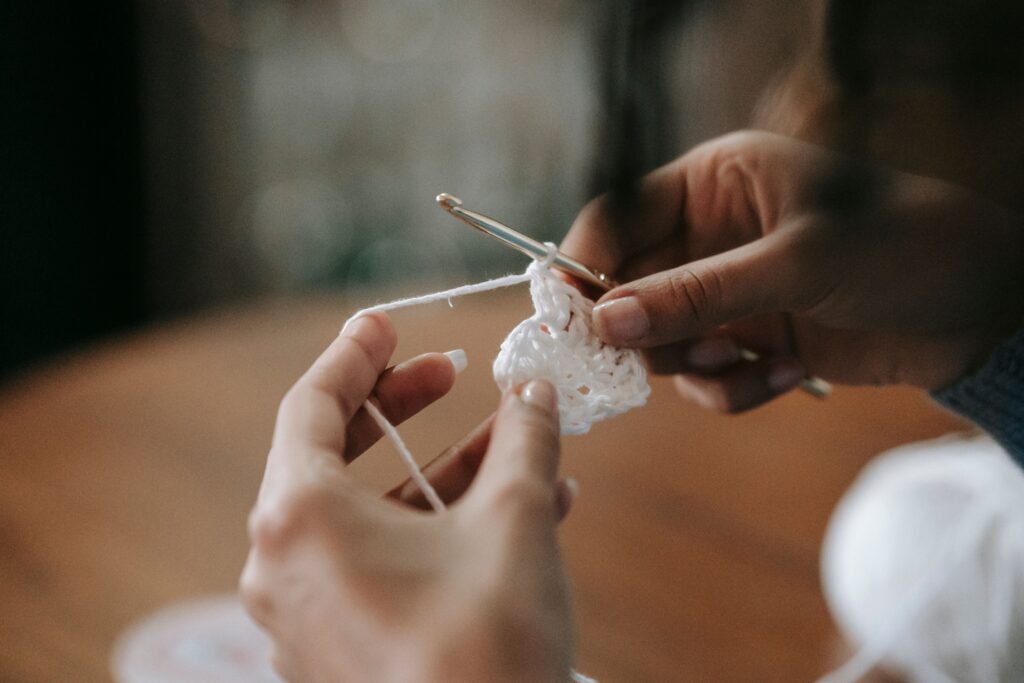
Good treble crochet tension comes from keeping your yarn overs and pull-through loops relaxed and consistent. If you pull every loop tightly against the hook, the stitch can become stiff and difficult to complete. If you leave the loops very loose, the posts may vary in height and the fabric can look uneven.
Try these adjustments while you practice:
- Lift the loops slightly. When you pull up a loop, bring it to the height of the other loops on your hook rather than leaving it snug against the shaft.
- Keep your non-hook hand active. Use your fingers to guide the fabric and maintain gentle tension on the working yarn.
- Rotate the hook smoothly. A slight turn of the hook can help it glide through the loops without snagging.
- Pause between pull-throughs. Completing each stage deliberately is more useful than trying to work at speed.
- Check the fabric regularly. If the row begins to lean or widen, count the stitches before continuing.
It’s normal for your first stitches to look different from your later ones. Rather than undoing everything immediately, make a few more and look for the pattern in your tension. Your hands often settle into a rhythm after repeated motion.
Common treble crochet mistakes and how to fix them
Most treble crochet mistakes happen because of missed yarn overs, incorrect insertion points, or confusion around the turning chain. The stitch itself has a clear sequence, so isolating the step where things changed usually makes the problem easier to solve.
My stitch has the wrong number of loops
A complete treble crochet begins the pull-through stage with four loops on the hook. If you have fewer, one of the initial yarn overs or the yarn-over-before-pulling-up step may have been missed. If you have more, you may have wrapped the yarn an extra time or accidentally picked up a nearby strand.
Stop before completing the stitch and count the loops. It’s much easier to correct the work while the hook is still in the stitch than after several more stitches have been added.
My treble crochet stitches are different heights
Uneven height usually comes from pulling some loops up higher than others or tightening the stitch during one of the pull-throughs. Try to bring each loop to a similar height before moving on. Also check whether your yarn hand is changing position as you concentrate.
If your fabric is still uneven, make a small practice swatch with slower movements. Consistency matters more than speed, especially with a tall stitch where small differences are easier to see.
I keep missing the first or last stitch
The edge stitches can be hard to identify because the turning chain adds height and changes the outline of the row. Count the stitches at the end of every row, and mark the edge stitch until you can recognize it easily.
Look for the top V of the stitch rather than inserting into the open space beside the tall post. The top loops are where you normally place the hook when working across the next row, unless the pattern specifically directs you into a chain space or another part of the stitch.
My fabric is too open
An open fabric is a natural feature of treble crochet, but very loose tension can make it difficult to see the stitch structure. Try gently reducing the height of your pull-up loops without tightening them completely. You can also test a different hook size based on the yarn label, then compare the swatches rather than judging from a single row.
Where to use treble crochet
Treble crochet works especially well when you want height, drape, or spaces between stitches. It can form an entire fabric, appear in alternating rows, or be combined with shorter stitches to create texture and shaping.
- Scarves and wraps: Rows of tall stitches can create a lightweight fabric with a generous drape.
- Blanket motifs: Treble crochet can add height to floral, geometric, and lacy motifs.
- Decorative borders: Use individual tall stitches or groups of stitches to create points and open edging.
- Shawls and triangular designs: Treble crochet can help increase the height of rows while leaving visible spaces.
- Flowers and leaves: Taller stitches are useful when shaping petals, pointed tips, or flowing motifs.
- Textured patterns: Combine treble crochet with front-post or back-post stitches when a pattern calls for raised details.
When you’re ready to explore crochet flowers, you can compare the shaping ideas in this guide to crocheting a calla lily. The project uses different construction details, but studying how petals gain height and curve can help you see how tall stitches contribute to three-dimensional designs.
Beginner projects for practicing treble crochet
The best first project is one that lets you repeat the stitch without complicated shaping. A small swatch is enough to learn the motion, but a simple scarf section, open square, or decorative strip can make practice feel more purposeful.
Start with rows of treble crochet worked into a foundation chain. Once that feels comfortable, try alternating a row of treble crochet with a row of shorter stitches. This helps you notice the difference in stitch height and teaches you to adjust your turning chain when the stitch changes.
You can also practice working multiple treble crochet stitches into one space. This is a useful way to create fans, shells, and flower-like shapes, but pay attention to the pattern’s instructions because groups of tall stitches can expand a row quickly.
If you prefer a smaller decorative project, a crochet flower is a good direction to explore. The Beste Poppy Flower guide shows how layered petals can be shaped and assembled. Even when you don’t copy the project, it can inspire you to experiment with tall stitches in petals, ruffles, and other organic forms.
How to read treble crochet in a pattern
Before beginning a pattern, look for its stitch abbreviations, terminology, turning-chain instructions, and any notes about where the hook should be inserted. A pattern may ask you to work into a stitch, chain space, front loop, back loop, or around a post. Those instructions change the finished texture, so they’re worth reading before you begin.
When counting a row, count the completed stitch tops rather than relying only on the tall vertical posts. If a turning chain counts as a stitch, include it according to the pattern’s instructions. If a pattern gives a repeat, place a marker at the beginning of that repeat so you can check your progress without recounting the entire row.
Charts can be useful once you’re comfortable with the written sequence. In a crochet chart, tall stitches are represented by taller symbols with marks across the stem. The exact symbol can vary, so use the chart key rather than guessing from appearance alone.
Frequently asked questions about treble crochet
Is treble crochet difficult for beginners?
Treble crochet is approachable once you’re comfortable with yarn overs and working through loops in stages. It may feel slower than a short stitch at first, but the sequence is repetitive. Practice a few stitches at a time, and focus on keeping the loops even rather than trying to work quickly.
Why does my treble crochet lean?
A slight lean can come from the natural direction of your stitches, but a pronounced lean may indicate uneven tension or a missed stitch at one edge. Count each row and compare the first and last stitches. Keeping your turning chain consistent can also help the edges look more even.
Can I replace double crochet with treble crochet?
Not automatically. Treble crochet is taller and creates a more open fabric, so replacing one stitch with another changes the row height, width, texture, and sometimes the shaping. Only substitute stitches when the pattern allows it or when you’re intentionally redesigning the fabric.
How can I make treble crochet look neater?
Use a smooth yarn, keep your loops at a consistent height, and slow down during the three pull-through stages. Count your stitches regularly and avoid pulling the working yarn too tightly after completing each stitch. A neat swatch usually comes from steady repetition rather than one special trick.
Keep practicing treble crochet with confidence
Treble crochet becomes much less mysterious once you break it into its individual movements: two yarn overs, an insertion, a pulled-up loop, and three controlled pull-throughs. Practice the stitch in a small swatch first, then use it in a simple project where you can watch your tension and stitch count develop.
As you gain confidence, try changing the yarn, combining treble crochet with shorter stitches, or using it in motifs and borders. Don’t worry if your first row isn’t perfectly even. Crochet gives us plenty of room to learn by making, undoing, adjusting, and trying again—and every repeat brings the motion closer to your hands.