Small Crochet Projects: Quick & Easy Ideas
Discover small crochet projects for gifts, practice, and relaxing makes, with easy ideas, yarn tips, finishing advice, and ways to choose your next project.

Small crochet projects are my favorite way to keep my hands busy when I want a satisfying finish without committing to a large blanket or garment. A little project can help us practice a stitch, use leftover yarn, make a thoughtful gift, or simply enjoy a few peaceful rows during a busy day.
The best part is the freedom to experiment. We can try a new color combination on a small scale, test an unfamiliar technique before using it in a larger design, or make something useful in an afternoon. Whether you’re new to crochet or looking for a portable project, these ideas will help you choose a make that suits your time, materials, and mood.
Table of Contents
Why are small crochet projects worth making?
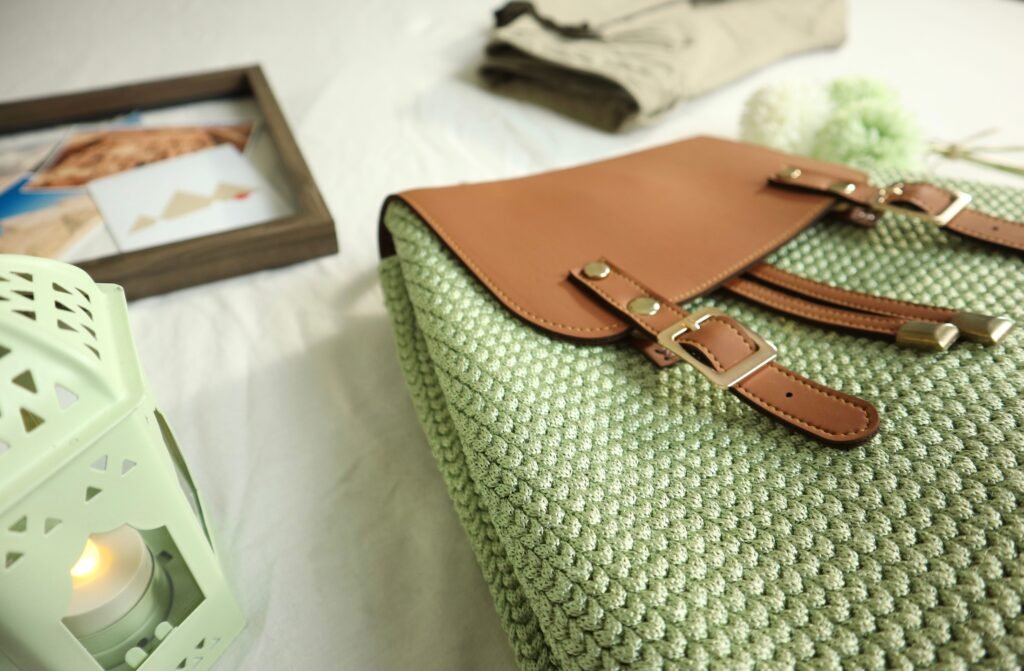
Small crochet projects are worth making because they offer quick feedback, manageable shaping, and plenty of room to explore without a major investment of time or yarn. They’re also a practical way to build confidence: each finished item gives us another chance to understand tension, stitch placement, color changes, and finishing.
I especially like small projects when I’m learning something new. A tiny sample can reveal whether a stitch is easy to count, whether a yarn shows texture clearly, or whether a color combination feels balanced. If the result isn’t quite right, the correction is usually less frustrating than undoing a large section of a bigger project.
Small makes are useful for several reasons:
- They fit into short crafting sessions: You can work on them during a quiet break or while traveling.
- They make thoughtful gifts: Handmade accessories can feel personal without requiring weeks of preparation.
- They use modest amounts of yarn: Scraps and partial balls often become useful instead of sitting forgotten in a basket.
- They encourage experimentation: You can test texture, shaping, appliqués, or color without redesigning an entire project.
- They help build skills: Repetition on a small scale makes new techniques feel less intimidating.
If you’re still becoming comfortable with chains, turning, and basic stitch placement, the crochet guide for absolute beginners is a helpful place to review the foundations before choosing a project.
What small crochet projects can beginners try first?
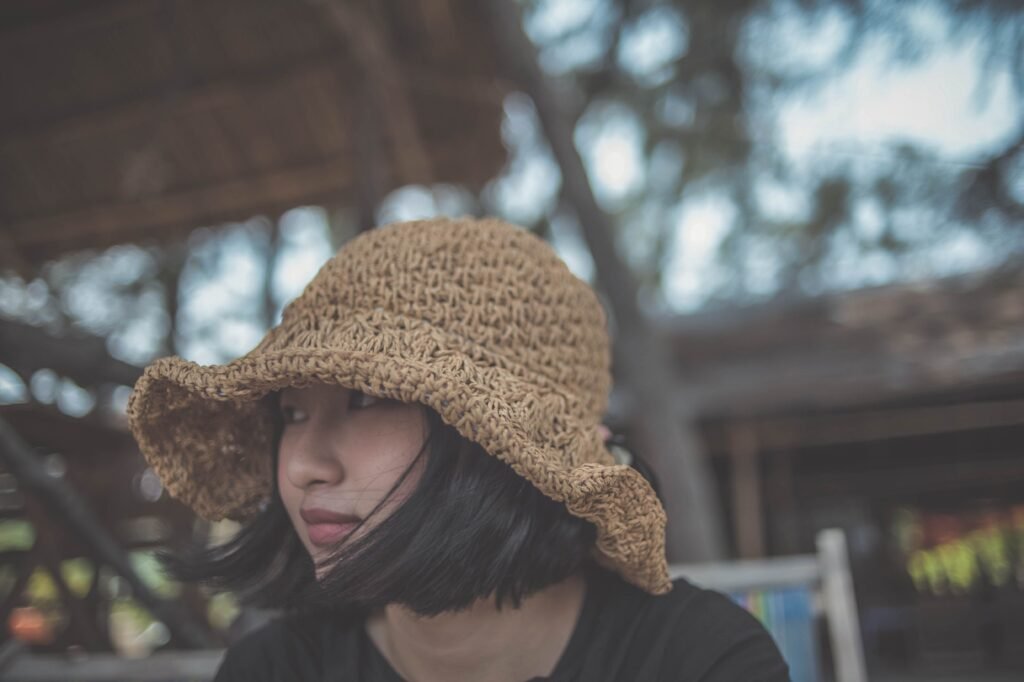
Beginners can start with small crochet projects that use familiar stitches, simple shapes, and clear finishing steps. Flat rectangles, small motifs, basic rounds, and straightforward accessories are all useful starting points because you can see how the fabric develops without managing complicated construction.
Washcloths and small cloths
A washcloth is a practical way to practice consistent rows and tidy edges. Try a plain stitch for a calm, repetitive make, or add a simple texture that lets you see how the yarn responds. Because the shape is uncomplicated, you can concentrate on maintaining an even stitch height and remembering the first and last stitch of each row.
These projects also make useful swatches. Instead of creating a sample that will sit unused, you can turn your practice piece into something that belongs in the kitchen or bathroom. Follow the yarn’s care guidance when deciding whether a particular fiber suits the intended use.
Coasters and mug rugs
Coasters and mug rugs are compact projects with plenty of creative potential. A square, circle, or motif can become the base, while a contrasting border gives the edges a finished look. You can make a matching set or intentionally combine different colors for a cheerful collection.
Pay attention to whether the piece lies flat. If it begins to cup or ripple, pause before adding more rounds and check the pattern instructions, stitch count, and tension. A small project is an ideal place to learn how the fabric behaves before the same issue appears in a larger design.
Bookmarks and simple sleeves
A narrow bookmark is a lovely way to explore rows, stripes, and small decorative borders. You might use a solid color for a clean look or add a short fringe if the design allows it. Small sleeves for glasses, earbuds, or other everyday items can be built from a rectangle or tube and customized with a button, appliqué, or simple color change.
For a slightly more decorative direction, browse the site’s crochet square inspiration. A motif designed for a blanket can often inspire a smaller coaster, pocket, pouch, or embellishment when adapted thoughtfully.
Which small crochet accessories make useful gifts?
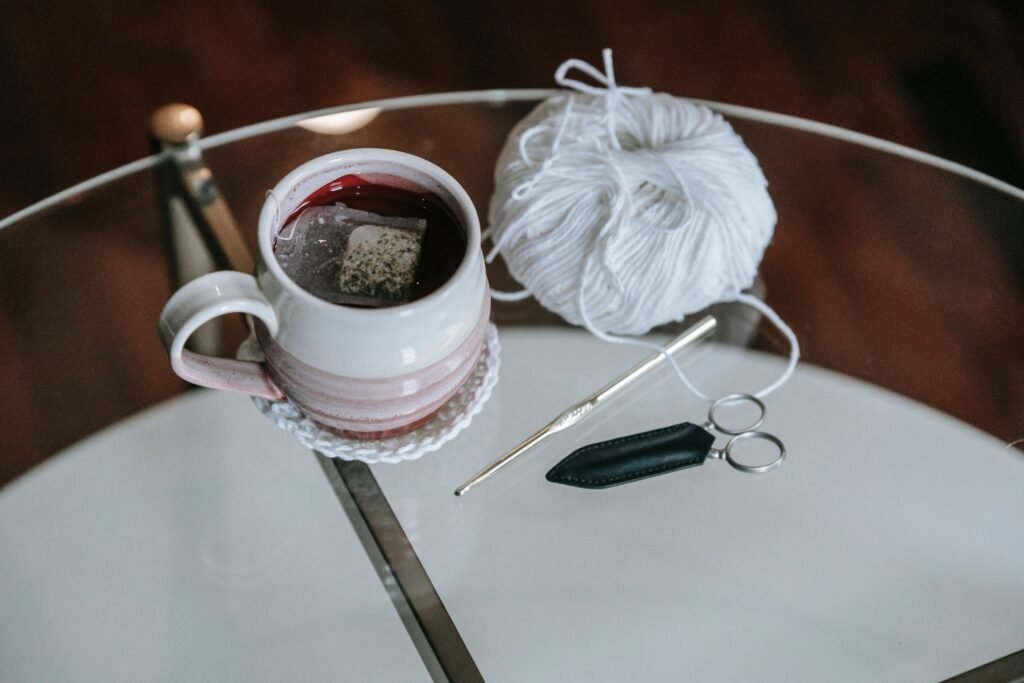
Small crochet accessories make useful gifts because they combine handmade character with everyday function. Hats, scrunchies, headbands, key fobs, pouches, and small bags can all be adjusted through color, texture, and finishing details.
Hats and ear warmers
A hat may be small compared with a blanket, but it still gives you valuable practice with rounds, shaping, fit, and finishing. If you’re interested in working in the round, explore these free crochet hat directions for additional project inspiration. The free crochet hat patterns for beginners can also help you think about simple silhouettes and ways to make a wearable project approachable.
Ear warmers are another good choice when you want a project with less shaping. A wide band can showcase a textured stitch, a twist, or a large button. Measure the finished piece carefully and consider how much stretch the fabric has before joining the ends.
Scrunchies and hair accessories
Scrunchies are quick projects that let you explore color and texture without needing a large amount of yarn. A simple crocheted cover around an elastic band can be made in a solid shade, stripes, or a playful combination of scraps. Hair clips, bows, and small flower accessories can be made separately and attached to a finished band.
For floral inspiration, the crochet poppy flower guide offers ideas for layered petals and dimensional details. A small flower can become a hair accessory, bag decoration, brooch, or gift topper.
Key fobs and bag charms
Key fobs and bag charms are excellent projects when you want to practice shaping in miniature. Simple hearts, stars, flowers, animals, initials, and geometric shapes can all become decorative accents. Add the hardware only after the crocheted piece is secure, and make sure the attachment point is reinforced for the way the item will be handled.
If you enjoy nature-inspired shapes, the crochet calla lily pattern guide can spark ideas for curved petals and sculptural embellishments. You don’t need to copy a larger flower exactly; one simplified petal or leaf may be enough for a small accessory.
Pouches and coin purses
A small pouch is practical, portable, and easy to personalize. Work a rectangle and fold it, crochet a base in rounds, or join two matching motifs. A button, drawstring, flap, or zipper can change the character of the finished piece.
Before choosing the closure, think about what the pouch will hold. A lightweight pouch may suit soft items, while a sturdier design may be preferable for objects that need more support. Keep the lining and finishing in mind from the beginning so the final construction feels intentional.
How can small crochet projects help you practice new techniques?
Small crochet projects help you practice new techniques by giving you enough space to repeat the movement while keeping the result manageable. A short swatch, motif, or accessory can teach you far more than watching a stitch demonstration once.
For example, you can use a small piece to practice:
- Working in rounds: Make a coaster, motif, hat, or small basket base.
- Increasing and decreasing: Shape a leaf, heart, petal, or rounded pouch.
- Color changes: Try stripes, blocks, or a small geometric pattern.
- Texture: Compare back-loop stitches, clusters, or raised details.
- Joining: Connect motifs or close the sides of a pouch.
- Edging: Add a neat border to a cloth, bookmark, or small blanket square.
If shaping is new to you, the easy crochet decrease guide explains how decreases narrow fabric and how they can be used in hats, accessories, motifs, and other projects. Practicing a decrease on a small piece lets you focus on inserting the hook into the correct stitches and keeping the tension consistent.
For taller stitches, the treble crochet guide can help you review the stitch sequence before using it in a small motif, edging, or decorative panel. Taller stitches can change the height and openness of fabric, so a sample is a useful step rather than an unnecessary extra.
Try to change one variable at a time. If you’re learning a new stitch, use a familiar yarn and simple shape. If you’re experimenting with color, use a stitch you already understand. This makes it much easier to notice what is working and what needs adjustment.
What small crochet projects are good for using yarn scraps?
Small crochet projects are ideal for using yarn scraps because they can be designed around the colors and amounts you already have. Motifs, appliqués, small flowers, coasters, granny-style squares, and patchwork accessories all make good use of partial balls.
Before beginning, sort your scraps by color, texture, and approximate amount. You don’t need a perfect inventory; simply grouping similar yarns can reveal a palette. If the fibers or thicknesses vary, use them in separate sections or test them together in a swatch so the difference in fabric is intentional.
A repeating border or joining color can help a scrappy project feel connected. This works especially well for small squares or motifs that will become a pouch, cushion cover, baby accessory, or decorative panel. The larger-scale ideas in these crochet blanket patterns can inspire smaller color arrangements, even when you’re only making a handful of motifs.
You can also make a sampler from leftover yarn. Work each section in a different color or stitch, then turn the sampler into a wall hanging, pocket, table mat, or patch. If you’re drawn to larger motif collections, these crocheted afghan ideas offer more inspiration for arranging colors and repeating elements.
How should you plan a small crochet project?
You should plan a small crochet project by matching its shape, yarn, technique, and finishing method with the time and materials you actually have. A little preparation keeps a quick project from becoming unexpectedly complicated.
Start by asking a few practical questions:
- What do I want the finished item to do?
- How much yarn do I have available?
- Do I want to practice a particular stitch or technique?
- Will the piece need to hold its shape, stretch, or withstand frequent handling?
- How will I finish the edges, seams, closures, and yarn tails?
Make a small sample if you’re unsure about the fabric. It can show whether the yarn is too stiff, whether the stitch is too open, or whether the color changes are easy to manage. Even for a quick project, checking the fabric early can save time.
Keep a note of your hook, yarn, stitch, row count, and any changes you make. This is particularly useful if you’re making a pair or set. Write down where you changed colors or placed decreases so the second item matches the first.
If you want to explore wearable construction after completing a few accessories, the easy crochet sweater pattern ideas show how larger projects can be broken into clear decisions about construction, yarn, measurements, and finishing. The scale is different, but the planning habits are the same.
How can you make a quick crochet project look polished?
You can make a quick crochet project look polished by caring for the edges, checking symmetry, securing the yarn tails thoughtfully, and choosing one or two details that support the design. Finishing is what turns a small collection of stitches into an item that feels complete.
Count the stitches before fastening off, especially when making a pair or a matching set. Compare the pieces side by side. If one is wider, taller, or more tightly crocheted, decide whether to correct it before moving on.
For flat pieces, inspect the first and last stitches of every row. Uneven edges may be hidden by a border, but a consistent foundation makes the border easier to work evenly. For round pieces, use a marker to identify the beginning of each round and watch for accidental increases.
Weave in yarn tails securely on the wrong side, moving through several directions of the fabric without pulling it into a bunch. If the project will be handled often, take extra care around joins and attachment points. A small project may not use much yarn, but it still deserves dependable finishing.
Blocking or gentle reshaping may help a motif or flat piece look more even, but it cannot replace correct stitch counts. Test any finishing method on a sample when you’re uncertain how the yarn will respond.
A final detail can make a big difference. Add a contrasting border, a neat button, a tiny flower, a hanging loop, or a coordinated label. The free crochet sweater pattern guide includes ideas about color, texture, edges, and thoughtful finishing that can easily be scaled down for accessories.
Which small crochet project should you make next?
The best small crochet project to make next is the one that fits your available time and gives you one appealing skill or design detail to explore. You don’t need to choose the most complicated idea; choose the one you’ll genuinely enjoy picking up.
- Choose a coaster or cloth if you want quick rows and simple shaping.
- Choose a hat or ear warmer if you want to practice fit and working in rounds.
- Choose a flower or appliqué if you have scraps and want a decorative accent.
- Choose a pouch if you want to practice joining, closures, and practical construction.
- Choose a motif if you want to experiment with color and repeating shapes.
- Choose a small sampler if your main goal is learning several stitches.
When I’m choosing between projects, I try to notice what kind of crochet sounds enjoyable right now. Do I want repetition, a little shaping, color play, or a useful finished object? That question usually points me toward a project I’m more likely to complete.
Gather a comfortable hook, choose a yarn that lets the stitches show clearly, and begin with a manageable goal. You might make one flower, one coaster, or one small motif today. Then let that first piece guide the next idea. Small crochet projects have a wonderful way of turning spare moments and leftover yarn into a steady stream of creative discoveries.