Summer Crochet Patterns: Easy Tops, Hats & More
Explore summer crochet patterns for breezy tops, hats, bags, accessories, and beginner-friendly projects, with yarn, fit, stitch, and finishing tips.
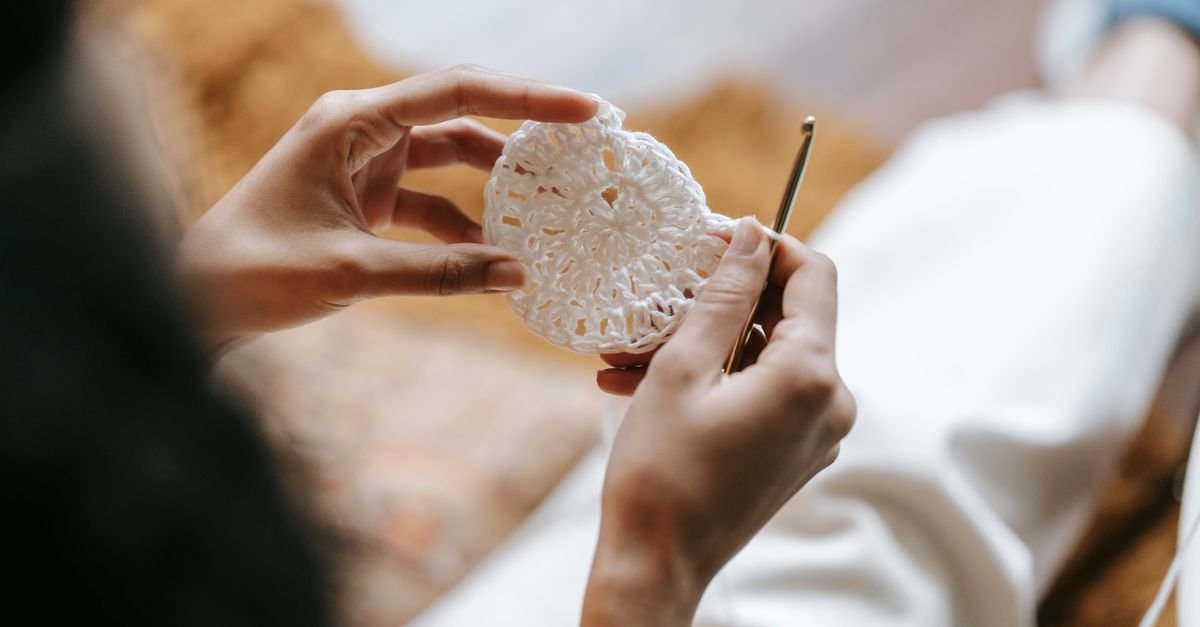
Summer crochet patterns give us so many ways to make useful, lightweight pieces while keeping our hooks moving during warm-weather days. From breezy tops and simple sun hats to market bags, cover-ups, and small accessories, there’s a project for nearly every mood and skill level.
I like summer crochet because it invites us to think about fabric differently. Instead of reaching automatically for a thick, cozy texture, we can explore open stitches, breathable shapes, portable projects, and colors that feel fresh. The most successful warm-weather project isn’t necessarily the most complicated one. It’s the design that suits the yarn, the climate, the intended fit, and the amount of time you want to spend making it.
Table of Contents
Why are summer crochet patterns so enjoyable to make?
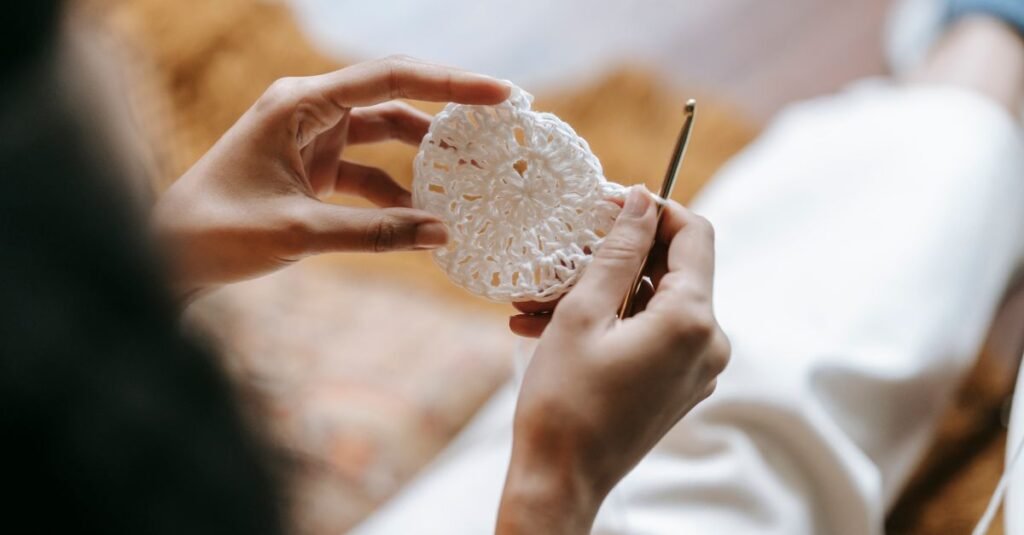
Summer crochet patterns are enjoyable because they combine practical projects with lighter fabrics, creative color choices, and manageable construction.
Warm-weather crochet can be wonderfully flexible. A small accessory may take only a short period of focused stitching, while a larger top or cover-up gives you room to explore shaping and stitch patterns. You can choose a project based on where you’ll use it: a hat for sunny walks, a bag for everyday errands, a shawl for cool evenings, or a simple layer for wearing over swimwear or a casual outfit.
The season also encourages experimentation. A familiar stitch can look completely different when worked in a pale shade, arranged in stripes, or combined with chain spaces. Openwork can create a light visual effect, while solid sections add structure and coverage. I recommend deciding what you want the fabric to do before choosing a pattern. Should it drape, hold its shape, stretch, protect from the sun, or simply add a decorative detail?
Summer projects can be especially inviting for beginners because many designs use straightforward shapes. A rectangle can become a scarf, wrap, or top panel. A circle can develop into a hat crown. A series of joined motifs can become a bag or cover-up. The construction may be simple, but thoughtful finishing and accurate measuring still make a noticeable difference.
Which summer crochet tops are easiest to explore?
The easiest summer crochet tops to explore are relaxed silhouettes with clear panels, simple shaping, or repeatable openwork.
A two-panel top is often a sensible starting point because the front and back can be worked separately and joined afterward. Before choosing one, check how the neckline, armholes, side seams, and hem are formed. Simple construction does not mean every top fits the same way, so compare the finished measurements with a garment you already enjoy wearing.
A boxy top offers another approachable option. Its shape may rely on straight rows or rectangles, with the fit created through the width and length rather than extensive waist shaping. This can make the project easier to understand, but it’s still important to consider how much ease the design includes. A top that is intended to be loose may look very different from a close-fitting one when made in the same stitch.
For a more adaptable garment, look for a top-down pattern. This construction can let you observe the fabric as it grows and may provide opportunities to check the fit before the whole garment is finished. Pay close attention to increase points, stitch counts, and the transition from the upper section to the body.
If you want to explore garment planning beyond warm-weather tops, a pattern sweater guide can help you think about finished measurements, construction, sleeves, necklines, and yarn substitution. The same planning habits apply even when the summer garment is much lighter.
How should you choose an open stitch for a summer top?
Choose an open stitch for a summer top by considering coverage, stretch, drape, and how the repeat affects the garment’s measurements.
Chain spaces, skipped stitches, shells, fans, and taller stitches can create openings in the fabric, but not every open stitch produces the same result. Some patterns are lacy and flexible, while others create a more structured mesh. Make a swatch in the actual stitch pattern, then hold it against the light and gently move it. This gives you a better sense of the fabric than looking at the stitch instructions alone.
Remember that an open design may need a suitable layer underneath, depending on how you plan to wear it. If you prefer more coverage, look for a pattern that combines open sections with solid bands or panels. The most wearable choice is the one that makes you feel comfortable rather than the one with the largest holes.
What summer crochet hats and sun accessories can you make?
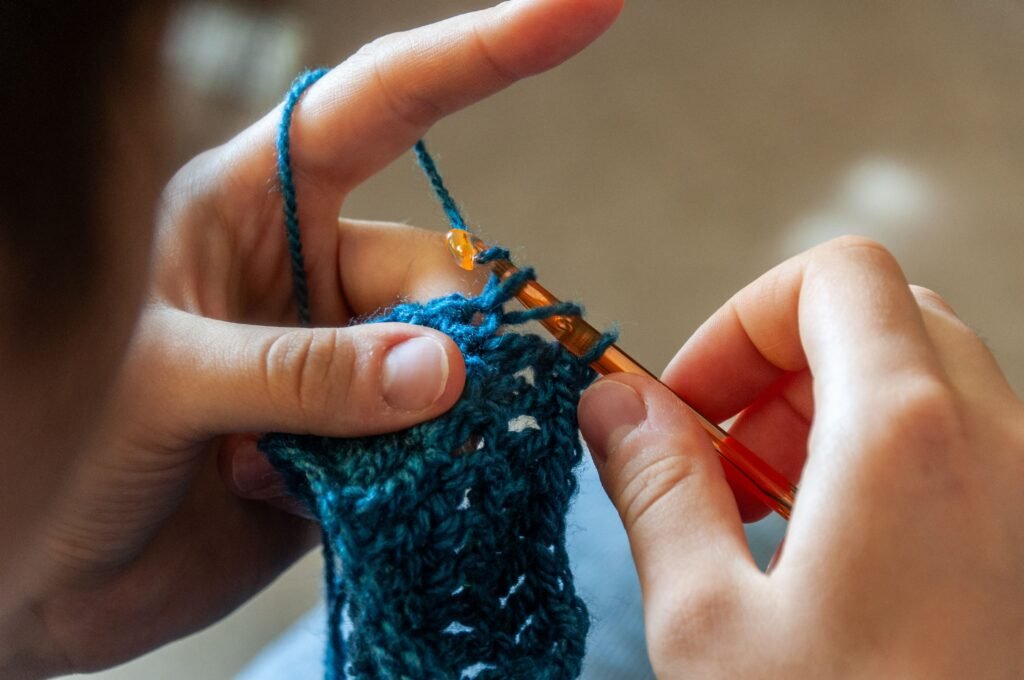
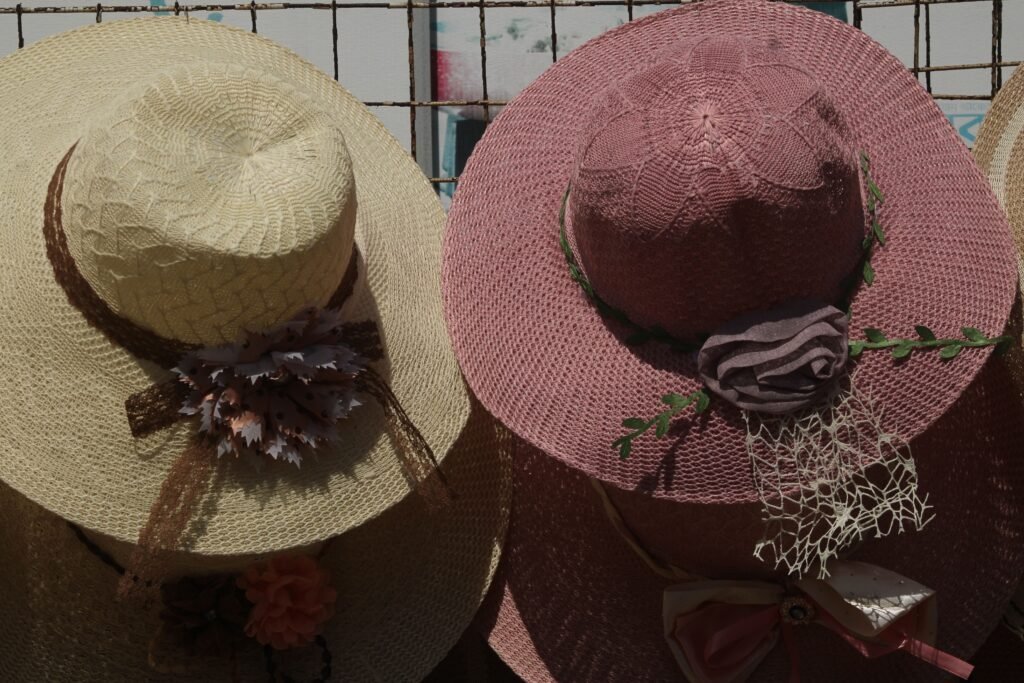
Summer crochet hats and sun accessories can include simple brimmed hats, bucket-style designs, headbands, visors, lightweight scarves, and decorative hair accessories.
A hat is a useful project when you want to practice working in rounds. You may begin at the crown, build outward, and then shape the sides and brim. The important details are the finished circumference, the depth, and the way the brim is constructed. A hat that looks attractive in a flat photograph may feel quite different if the circumference or depth does not match the intended wearer.
Stitch markers can help identify the beginning of each round and make increases easier to track. Count regularly, especially while shaping the crown. If the crown becomes uneven, pause and compare the current round with the instructions instead of continuing and hoping the problem disappears.
Brims can be firm, flexible, narrow, or wide depending on the pattern and materials. Follow the designer’s instructions for any shaping or support. Avoid assuming that a particular yarn or stitch will automatically create a structured brim. A small swatch can help you see whether the edge curls, lies flat, or needs a finishing round.
If you’re new to hat construction, browse these crochet hat patterns for beginners for ideas about crowns, brims, sizing, and approachable shapes. Choose a design with instructions you can follow comfortably rather than selecting one only because the finished photograph looks impressive.
Not every summer accessory needs to be a hat. A narrow headband can be a quick way to practice rows, increases, or a decorative border. A lightweight scarf or shoulder wrap can introduce openwork without requiring the fit calculations of a fitted top. Small flowers, hair clips, and appliqués can also add a seasonal accent to a plain bag or garment.
Which yarns and stitches suit warm-weather crochet?
The yarns and stitches that suit warm-weather crochet are the ones that create a comfortable fabric with the drape, structure, and care requirements your project needs.
Start with the pattern’s yarn guidance and then consider the finished fabric. A smooth yarn usually makes stitch placement easy to see, which is helpful when learning a new repeat. A textured yarn may create an appealing surface, but it can hide small details or make undoing a mistake more difficult.
Fiber and yarn characteristics can affect how a project feels, stretches, holds its shape, and responds to washing. Rather than making a substitution based only on color, compare the label information with the pattern requirements. Make a sample before committing to a garment or a large accessory.
For fine, detailed summer crochet, thread can be an interesting choice. This mercerized cotton crochet thread guide explains how a smooth thread can highlight lace, motifs, edging, and small accessories. Fine thread may require more visual attention and patience, so it can be a better match for a small project than a first attempt at a large garment.
For another delicate option, a beginner’s guide to size 10 crochet thread can help you think through hook choice, tension, lighting, stitch counting, and project scale. These considerations matter whenever you use a finer material, especially for open summer accessories.
Stitch choice matters just as much as yarn choice. Shorter stitches can make a denser, more stable fabric, while taller stitches and chain spaces can create openness. Post stitches, clusters, shells, and fans can add texture, but they may also change the fabric’s thickness or stretch. If you want inspiration for combining texture and openwork, explore these interesting crochet stitches and test one repeat in a small swatch.
How do you choose the right summer crochet project?
You choose the right summer crochet project by matching the pattern’s difficulty, construction, fabric, fit, and finishing demands with your current goals.
First, decide whether you want a quick finish or a longer creative challenge. A small bag, headband, flower, or hat can provide a satisfying project when your attention is limited. A top, cover-up, or large wrap asks for more consistent measuring and may involve repeated stitch counting, joining, or blocking.
Next, read the entire pattern before starting. Look for the available sizes, finished measurements, yarn information, hook size, gauge, stitch key, construction notes, and finishing instructions. If the designer provides a schematic, use it. A photograph shows style, but measurements show whether the item will fit and hang as you expect.
Pay attention to the pattern terminology. Crochet instructions may use different regional terms, and a stitch name can mean something different depending on the pattern’s key. If abbreviations slow you down, write the unfamiliar terms in full before beginning and keep your notes beside the work.
For a first garment, I’d lean toward a clear shape with limited shaping and a repeat you can recognize. That still leaves plenty of room for creativity through color, borders, sleeve length, or a contrasting neckline. A project that is understandable gives you more freedom to make thoughtful changes.
If you are looking for smaller projects before attempting a garment, browse these small crochet project ideas. A compact make can help you practice a stitch, test a yarn, or learn a finishing method without committing to a full-size summer wardrobe piece.
How can you improve fit and comfort in crochet clothing?
You can improve fit and comfort in crochet clothing by measuring carefully, checking gauge, considering ease, and trying on the project when the construction allows.
Begin with your own measurements and the pattern’s finished measurements. Do not choose a size from the label alone. Compare the garment dimensions with a top or layer that fits you well, paying attention to the body width, length, shoulder area, armhole, sleeve, and neckline.
Ease is especially important in summer clothing. A relaxed cover-up needs different proportions from a close-fitting tank, and a cardigan worn over another layer may require additional room. Think about how you intend to wear the piece and what will be underneath it.
Gauge affects more than the final size. It also affects the feel of the fabric. A swatch can reveal whether the stitches are too dense, too open, too stiff, or too loose for the design. If the fabric feels uncomfortable in your hands, it is worth adjusting your approach before making the full project.
Length is often one of the simplest modifications, but it can change the placement of stripes, borders, shaping, and stitch repeats. If you add or remove rows, check that the pattern still ends at a sensible repeat point. Write down every modification so the front, back, or sleeves remain consistent.
Try on the garment during construction whenever the pattern makes that possible. Move your arms, sit down, and notice whether the neckline, armholes, and body length feel comfortable. A piece can look balanced while flat and still need an adjustment when worn.
What finishing steps make summer crochet projects look polished?
The finishing steps that make summer crochet projects look polished include checking the shape, securing yarn ends, joining carefully, adding a suitable border, and following the care guidance for the materials.
Before weaving in every end, lay the project flat and inspect it. Look for uneven edges, missed stitches, puckering, loose joins, or sections that pull. Fixing a small problem before finishing is usually easier than trying to hide it afterward.
When joining panels or motifs, check the right and wrong sides first. Place the pieces together and match the edges, corners, and repeat points. A neat seam depends not only on the joining method but also on accurate alignment.
A border can frame a top, bag, shawl, or hat, but it should support the project rather than distort it. If the edge curls or ruffles, compare your stitch count with the pattern and check whether the border repeat has been completed correctly. A decorative edge may need a particular number of stitches around corners or curves.
Weave in ends securely while avoiding excessive pulling. Summer accessories often bend, stretch, or receive regular handling, so loose tails deserve attention. Trim them only after they are secure and hidden according to the pattern’s instructions.
Blocking or washing may help a finished piece settle into shape, but use the method recommended for the yarn and project. Test your approach on a swatch when possible. Different materials and stitch structures can respond differently, so it’s better to follow specific guidance than assume every project should be stretched or treated in the same way.
What should you crochet next for summer?
Your next summer crochet project should be one that matches the fabric you want, the time you have, and the skills you’re ready to practice.
For a quick start, choose a hat, headband, small bag, flower, or simple accessory. For a wearable challenge, look for a top or cover-up with clear measurements, a manageable stitch repeat, and construction you understand. Make a swatch in the actual stitch pattern, record your materials, and check the fit as you go.
Don’t be afraid to make the design your own through color, length, borders, or small changes in texture. At the same time, keep notes and adjust one feature at a time so you can understand what changed. That habit makes future projects much easier to plan.
Summer crochet is a wonderful opportunity to explore without rushing. Pick a yarn that feels inviting, choose a pattern that gives you useful information, and let the fabric guide your next decision. Whether your hook leads to a breezy top, a practical hat, or a tiny decorative motif, the project can become a fresh way to enjoy crochet all season long.