Interesting Crochet Stitches: Unique Patterns to Try
Explore interesting crochet stitches with practical tips for texture, lace, color, shaping, yarn choices, and creative projects for every skill level.
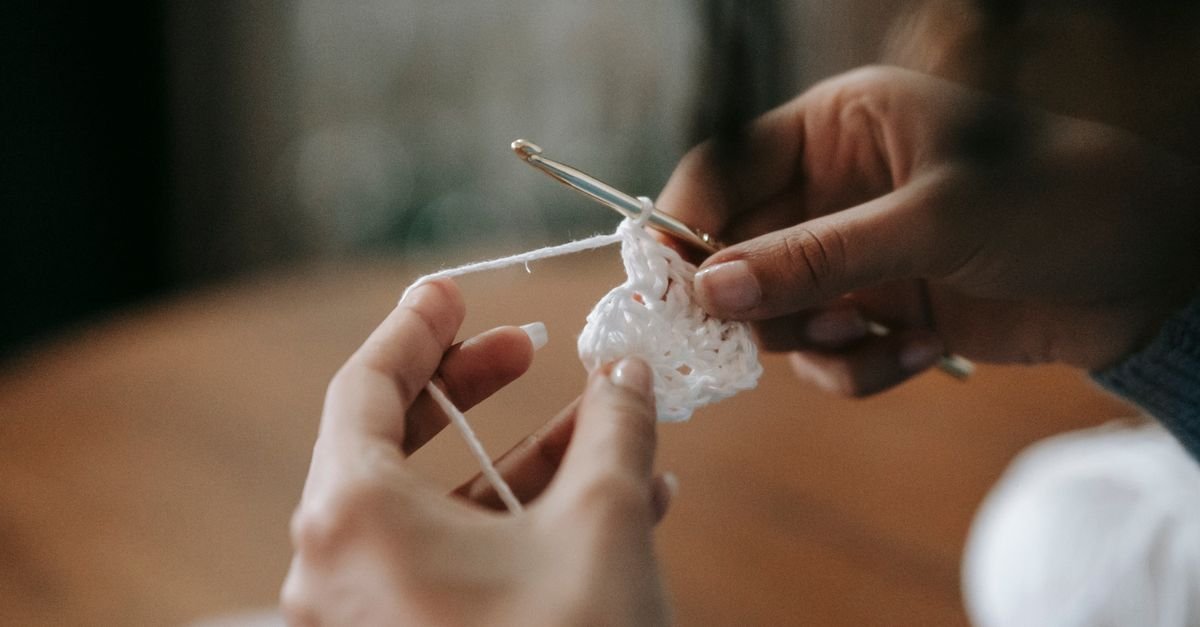
Interesting crochet stitches can turn a simple rectangle into something full of movement, texture, and personality. I love the way one small change in stitch placement can create a raised ridge, a lacy opening, a bobbled surface, or a fabric that looks woven rather than crocheted. If your usual projects are starting to feel predictable, exploring unique patterns is a lovely way to bring curiosity back to your hook.
In this guide, I’ll share ways to choose, practice, combine, and use interesting crochet stitches without losing sight of the practical details. We’ll look at texture, openwork, color, stitch height, shaping, yarn choices, and common mistakes. You don’t need to master every technique at once. Choose one sample that catches your eye, make a small swatch, and let that first experiment guide your next project.
Table of Contents
Why try interesting crochet stitches?
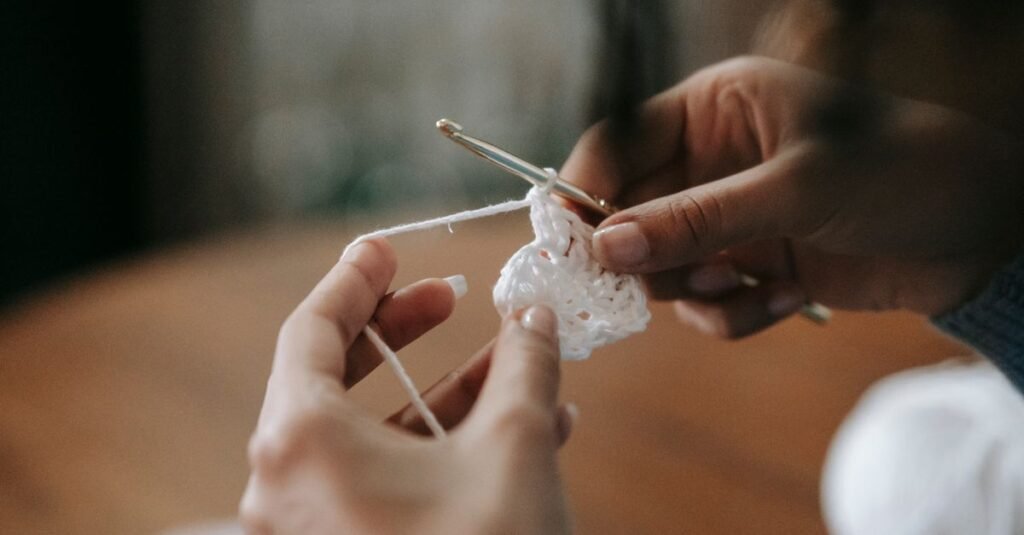
Interesting crochet stitches are worth trying because they give you more ways to control the look, feel, movement, and personality of handmade fabric.
Stitch exploration helps me think beyond the finished object. Instead of starting with “What can I make with this yarn?” I can ask, “What kind of surface do I want?” Perhaps I want shadows between raised lines, a soft open fabric, a geometric repeat, or a stitch that changes direction across the row. That question often leads to more original project ideas.
Learning new stitches also strengthens everyday crochet skills. You practice reading abbreviations, counting repeats, identifying the top of a stitch, working into spaces, managing tension, and noticing how fabric responds to different movements. Those skills transfer into blankets, accessories, garments, home décor, and your own designs.
A new stitch doesn’t have to be complicated to be interesting. A change worked through the back loop can alter the direction of the fabric. A cluster can create a concentrated spot of texture. A row of chain spaces can make a solid fabric feel light and airy. Even a familiar stitch can look fresh when it is placed between taller stitches or worked in a bold color sequence.
If you want a broad starting point, browse these beautiful crochet stitches for more ideas to add to your sampler. I recommend saving the stitches that interest you, then narrowing your choices based on the project you actually want to make.
Which textured crochet stitches should you explore first?

The best textured crochet stitches to explore first are those with a clear repeat, visible stitch placement, and a manageable number of special movements.
Ribbed and ridged stitches
Ribbed stitches are a gentle introduction to texture because they create direction without necessarily requiring a complicated pattern. Working into a particular loop can make horizontal rows stand out, while post-style stitches can create vertical ribs. These fabrics are useful when you want a border, cuff, band, or structured panel.
When practicing a ribbed stitch, focus on keeping your row edges even. The texture can make the fabric look slightly different from a plain swatch, so count the stitches at the end of every row. If the pattern turns after each row, identify whether the first stitch goes into the same place as the turning chain or the next stitch.
Bobble, puff, and cluster textures
Bobble, puff, and cluster stitches gather several partial movements into one textured area. They can create scattered dots, floral centers, geometric motifs, or repeating bands. These stitches are especially useful when you want the surface to invite touch.
Keep the loops at a consistent height while making a cluster. If some loops are pulled much higher than others, the texture may look uneven. It can also help to practice the stitch separately before placing it inside a larger repeat. Once the motion feels natural, you can experiment with spacing the textured stitches across a plain background.
Shells, fans, and scallops
Shells and fans place multiple stitches in one location, creating a curved or spreading shape. They can form decorative borders, repeating motifs, shawl sections, or a soft scalloped edge. A shell may be made from shorter or taller stitches, so always follow the pattern’s stitch key rather than assuming every shell is constructed the same way.
These motifs are a good choice when you want a stitch that looks decorative without changing colors. Pay close attention to the spaces between groups. The shape comes not only from the stitches themselves but also from the gaps that separate one fan from the next.
How can you use open and lacy crochet stitches?
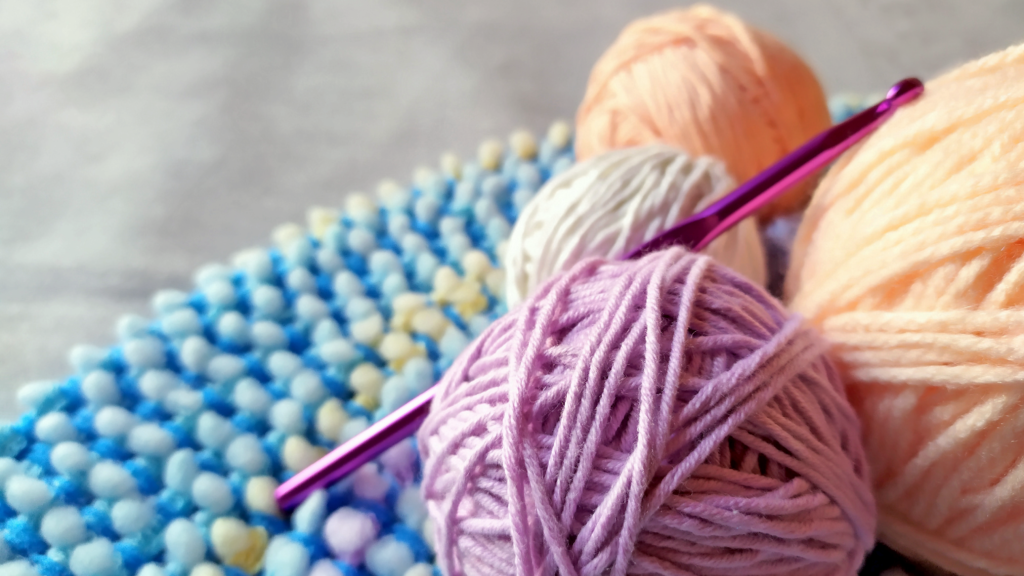
You can use open and lacy crochet stitches by combining chain spaces, skipped stitches, and taller stitches to create fabric with visible windows and flowing movement.
Openwork is one of my favorite areas to explore because it changes the relationship between yarn and space. Instead of building a solid wall of stitches, you create a pattern of filled sections and openings. The result can feel light, decorative, and full of rhythm.
Begin with a simple repeat that uses chain spaces and a familiar stitch. This lets you concentrate on reading the spaces without managing too many new techniques. Mark the beginning of each row or round if the repeat is easy to lose, and count the spaces as carefully as you count the stitches.
Taller stitches can add extra height to an open pattern. A row may alternate shorter stitches with taller ones, or a motif may use a tall stitch around a chain space to create a pointed or fan-like shape. Because stitch heights affect the proportions of fabric, make a swatch before using a new combination in a garment or fitted accessory.
Lace is especially useful for wraps, shawls, decorative panels, lightweight scarves, and home accents. For an item that needs more coverage, you can place open motifs between solid sections or add a lining after the crochet is complete. Let the intended use guide the amount of openness rather than choosing a stitch only for its photograph.
If you’re drawn to delicate motifs, a small floral project can be a wonderful place to practice shaping and open spaces. This five-petal crochet flower pattern offers another example of how separate pieces and stitch details can come together in a finished design.
How do stitch combinations create unique patterns?
Stitch combinations create unique patterns by contrasting height, direction, density, and spacing within the same fabric.
You don’t need to invent a completely new stitch to make an original surface. Start with two or three familiar stitches and decide what each one should do. A shorter stitch can create a firm line, a taller stitch can add openness, and a cluster can become a focal point. The contrast between them often creates more visual interest than a single complicated technique.
- Change the height: Alternate shorter and taller stitches to create peaks, valleys, or stepped lines.
- Change the direction: Work through different loops or around posts to bring selected rows forward.
- Change the spacing: Place stitches close together for density and separate them with chains for openness.
- Change the grouping: Combine individual stitches with clusters, shells, or fans to build motifs.
- Change the color: Use stripes or small color blocks to make the repeat easier to see.
A sampler is the safest place to test these ideas. Work several rows of one stitch, then switch to a second stitch and observe how the fabric changes. Take notes about the row sequence and mark the right side if the pattern has a clear front and back. Your sampler can become a reference library for future projects.
Extended stitches are useful when you want a little extra height without moving to an entirely different design language. This extended double crochet guide explains the stitch construction and offers helpful reminders about tension, turning chains, and swatching. You can use that kind of taller stitch beside shorter textures to create a more varied fabric.
How should you choose yarn for a new stitch?
You should choose yarn for a new stitch by considering stitch definition, texture, drape, color, and the fabric your project needs.
Smooth yarn is usually the easiest choice when learning. Clear strands make it simpler to see the top of each stitch, locate spaces, and undo a mistake. A pale or medium shade may also make detailed texture easier to inspect than a very dark color.
Textured or fuzzy yarn can produce an appealing surface, but it may hide the structure of an unfamiliar stitch. I like to save highly textured yarn for a technique I already understand, or make a small practice sample before committing to a larger project. That way, I can see whether the yarn enhances the stitch or disguises it.
Think about drape as well as appearance. A dense stitch may create a firm fabric, while a large hook or open repeat may create more movement. Neither result is automatically better. A basket, bag, wearable, blanket, and decorative panel may all need different fabric qualities.
Color can either highlight or soften texture. A single shade can make shadows and raised areas stand out. Several colors may emphasize the repeat and help you see where one section ends. Variegated yarn can be playful, but its color changes may compete with a detailed stitch pattern. Swatching gives you a chance to judge the actual result.
For a fitted or wearable project, follow the pattern’s yarn, hook, gauge, and finished-measurement guidance. A stitch that looks lovely in a small sample may stretch, shrink, or feel different when repeated across a larger area.
How can you practice interesting crochet stitches successfully?
You can practice interesting crochet stitches successfully by making a deliberate swatch, marking pattern repeats, counting consistently, and correcting mistakes early.
Start with enough stitches to see both edges and at least one complete repeat. A tiny sample may not show how the stitch behaves across a row, while a large sample can become tiring before you understand the technique. Write down the foundation, the row sequence, the hook, and the yarn so you can reproduce the result.
Read the instructions before picking up the hook. Look for special abbreviations, stitch explanations, repeats, turning-chain instructions, and notes about the right side. If the pattern uses unfamiliar terminology, keep a crochet abbreviation reference nearby. Don’t rely on a photograph alone; the written instructions usually explain the structure more precisely.
Use stitch markers to divide long repeats or identify the beginning of a round. When a design includes several chain spaces, count the spaces as you work. When it includes clusters, check that every group contains the stated number of partial movements before completing it.
Keep your tension relaxed. New techniques can make us grip the hook or yarn more tightly than usual, which may cause one part of the repeat to shrink. Try to make each loop a similar height, especially when working clusters, puff stitches, or taller stitches.
If your swatch curls, ripples, or pulls, pause before assuming the pattern is wrong. Check your stitch count, turning chain, hook, and tension. The problem may come from a missed stitch, an extra increase, or a difference between the pattern’s stated terminology and the terms you normally use.
How can unique stitches become practical projects?
Unique stitches become practical projects when you match the fabric’s texture, openness, stretch, and weight to the way the finished item will be used.
A strongly raised texture can make an engaging cushion, wall hanging, bag panel, or blanket stripe. A flexible rib may suit a cuff, hat brim, or neckline. An open lace repeat can work well for a wrap or decorative layer. The stitch should support the object rather than make the object fight against the stitch.
Small accessories are useful when you want to test a new technique without committing to a large project. A headband, cowl, pouch, scarf section, or coaster can show you how the stitch behaves at the edges and how quickly the repeat grows. If you like making wearable accessories, a beginner-friendly crochet socks pattern can also encourage careful attention to texture, fit, shaping, and fabric comfort.
For larger projects, consider using the special stitch as an accent. You might place it in a central panel, along a border, between stripes, or across a yoke. This approach lets the interesting stitch stand out without requiring you to repeat a demanding pattern across the entire project.
Texture can also guide color planning. A raised motif may look striking in one shade, while a striped version can reveal the direction of the rows. Before beginning, arrange small yarn samples together and consider whether the color contrast supports the stitch structure.
If you want a relaxed garment canvas for experimenting with stitch combinations, these crochet poncho free patterns offer useful ideas about panels, borders, openwork, and color planning. A poncho’s generous shape can give a decorative stitch room to breathe, but you should still swatch before changing the original design.
What mistakes should you avoid when learning new stitches?
You can avoid the most common mistakes by checking the stitch count, identifying the correct insertion point, and resisting the urge to continue past an error you can already see.
- Skipping the pattern key: A stitch name or abbreviation may not mean exactly what you expect, so read the designer’s explanation first.
- Missing the first or last stitch: Mark row edges while practicing, especially when the turning chain does not count as a stitch.
- Working into a chain instead of a space: Look closely at whether the instructions direct you into a loop, stitch top, or open gap.
- Changing tension during a cluster: Keep the partial loops at a consistent height for a more even result.
- Ignoring the repeat: Stop at the end of each repeat and confirm that the next section begins where it should.
- Skipping the swatch: A stitch can change the width, height, drape, and density of the fabric.
When you find a mistake, trace it back to the first row where the structure changes. Undoing a small section is usually less stressful than trying to disguise a missing stitch across many rows. I also recommend taking a quick photograph of a successful repeat. It can help you compare the fabric when you return to the project later.
What should you try next with interesting crochet stitches?
Your next step is to choose one interesting crochet stitch, make a small swatch, and test how its texture and movement suit the project you have in mind.
Begin with curiosity rather than pressure. You don’t need to turn every sample into a finished item. A swatch can teach you how a yarn behaves, whether a repeat is easy to remember, and which details you want to use again. Keep the samples that inspire you and label them with the yarn, hook, stitch sequence, and date.
Once one stitch feels comfortable, combine it with a familiar stitch or change just one feature. Try a new color, a different edge, a taller stitch, or a small open section. Make notes as you go, and let the fabric tell you what it wants to become.
That’s the real joy of exploring unique crochet patterns: every new repeat gives us another way to see yarn. A simple hook, a strand of yarn, and a little patience can create surfaces that are soft, sculptural, airy, graphic, or wonderfully unexpected. Choose a stitch that makes you curious, swatch it slowly, and let your next crochet adventure grow from there.