Crochet Sweater Patterns Free: Easy Patterns to Try
Explore crochet sweater patterns free with beginner-friendly construction ideas, yarn and stitch guidance, sizing tips, customization options, and finishing advice.
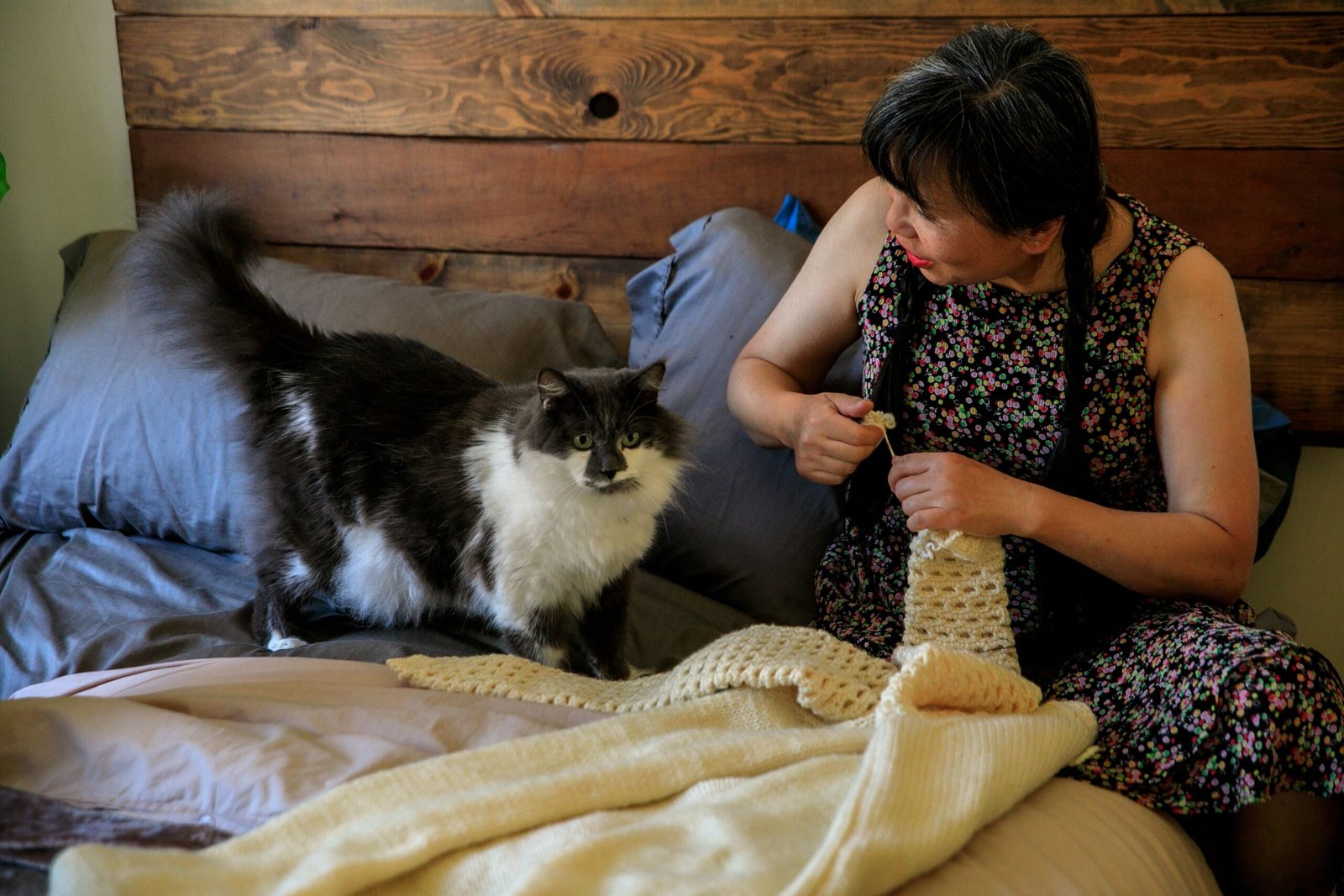
Searching for crochet sweater patterns free can open up an exciting world of handmade wardrobe ideas without requiring a complicated first project. A sweater may look like a big commitment, but the right design can break the process into approachable steps: choose a construction, make a swatch, check the fit, and build the garment one section at a time.
I love the creative freedom that comes with crocheting a sweater. We can keep the shape simple and let color do the work, choose an interesting stitch for a relaxed pullover, or start with a straightforward panel design and add thoughtful details at the cuffs and hem. In this guide, I’ll help you explore easy sweater directions, understand the choices behind them, and decide which kind of project suits your skills and style.
Table of Contents

How do you choose crochet sweater patterns free online?
The best crochet sweater patterns free online are the ones that explain construction, sizing, materials, and finishing clearly enough for you to make informed choices. A pattern being free does not automatically make it easy, so I always recommend looking beyond the photographs and checking how the instructions are organized.
Start by looking for finished measurements rather than relying only on labels such as small, medium, or large. Check whether the pattern is worked in panels, rounds, strips, or separate pieces. It should also tell you how the front, back, sleeves, neckline, and edging fit together. Clear stitch abbreviations and consistent terminology can make a major difference, especially when you’re still learning to read garment instructions.
Think about the kind of crochet experience you want. A simple rectangle-based pullover may be a comfortable first garment because you can measure each panel flat. A top-down design may offer more opportunities to try on the sweater as you work, while a seamed design can make the construction easier to see. None of these approaches is universally best; the right choice depends on whether you prefer joining pieces, working in rounds, or making adjustments along the way.
It can help to browse related garment ideas before committing. These easy crochet sweater pattern ideas can inspire your choice of relaxed shapes, texture, color, and finishing details. Use the visual direction as a starting point, then read the actual instructions carefully before gathering supplies.
Which sweater construction is easiest for beginners?
A simple panel construction is often the easiest place to begin because it lets you work mostly in rows and measure each piece before assembly. The sweater’s shape is visible from the start, and you can correct a front or back panel before it becomes part of the finished garment.
Two-panel sweaters
A two-panel sweater usually consists of a front and back, with the shoulders and sides joined afterward. Sleeves may be added directly to the armholes or crocheted separately. This approach can create a relaxed, boxy silhouette, which is useful when you want a casual pullover without complicated shaping.
The main thing to watch is proportion. A rectangle does not automatically account for shoulder width, neckline depth, or sleeve comfort. Compare the pattern’s finished measurements with a garment you already enjoy wearing. Lay that garment flat and use it as a visual reference, while remembering that crochet fabric may stretch or drape differently.
Top-down sweaters
A top-down sweater begins near the neckline and develops toward the body. The construction may use increases around a yoke or shoulder section, followed by separate body and sleeve sections. Its biggest advantage is that you can often check the upper fit before completing the garment.
The early rounds may require careful counting, particularly when increases are placed at several points. Markers can help identify those locations, and frequent checks can show whether the yoke is spreading evenly. If you prefer to make decisions as you go, a top-down sweater may feel flexible, but it is still important to follow the pattern’s shaping instructions accurately.
Seamed sweaters
Seamed sweaters are made from separate pieces that are joined with a yarn needle or crochet seam. Seaming takes patience, but it can stabilize the garment and make each part easier to manage. Lay the pieces flat, align their edges, and use removable markers if you need help keeping rows matched.
For a sporty, graphic direction, you can borrow ideas from these crochet jersey patterns. Contrast bands, relaxed proportions, and bold blocks of color can all work beautifully in a simple sweater design without requiring complicated motifs.
What yarn and tools do you need for an easy crochet sweater?

You need the yarn and hook recommended by the pattern, plus a yarn needle, scissors, measuring tape, and stitch markers for an easy crochet sweater. The most important preparation step is making a swatch in the stitch pattern you’ll use for the garment.
A swatch lets you examine more than size. Handle it and ask whether the fabric feels soft, firm, flexible, open, or heavy. Check how it drapes when held up and how clearly you can see the stitches. A sweater made from a fabric that feels stiff in a small sample may not become more comfortable at full size.
crochet sweater patterns free
Smooth yarn in a clear color is often easier to work with while you’re learning because you can see the top loops and row structure. Fuzzy, highly textured, or very dark yarn can hide missed stitches and make undoing more difficult. That doesn’t mean you can never use those yarns; they simply require more attention and may be easier after you’re comfortable with garment construction.
If you substitute yarn, treat the swatch as a new starting point. Fiber, twist, texture, and tension can all affect the finished fabric. A yarn that looks similar to the original may create a different amount of drape, stretch, or weight. Follow the pattern’s material guidance when possible, and keep notes about any changes you make.
crochet sweater patterns free
- Yarn needle: Use it for seams and securing yarn tails.
- Measuring tape: Check panels, body length, sleeve length, and finished width as you work.
- Stitch markers: Mark increases, round beginnings, sleeve points, or pattern repeats.
- Notebook: Record your yarn, hook, swatch observations, measurements, and modifications.
Which stitches work well in free crochet sweater patterns?
The best stitches for free crochet sweater patterns are stitches you can recognize, count, and repeat consistently. A simple stitch can create a polished garment when the edges, proportions, and finishing are handled carefully.
Single crochet creates a compact fabric with clear definition, although it may feel dense depending on your yarn and tension. Half double crochet offers a useful middle ground with visible rows and moderate height. Double crochet works more quickly and can produce a lighter, more open fabric. Make a swatch before choosing one for the entire garment so you can assess the result rather than guessing.
Texture can come from small, controlled changes. Back-loop stitches can create horizontal ridges, post stitches can add raised details, and alternating stitch rows can create subtle bands. Openwork sections may make a lighter sweater, but check the coverage before using them across the whole body.
crochet sweater patterns free
Color is another way to add interest without making the stitch pattern difficult. A plain body can look completely different with narrow stripes, broad color blocks, a contrasting hem, or a darker neckline. If you want to practice a taller stitch before including it in your sweater, this treble crochet guide for beginners can help you review the stitch sequence and tension considerations.
For a first garment, I would avoid changing too many variables at once. Combining unfamiliar yarn, complex texture, custom shaping, and several colors can make it difficult to identify the source of a problem. Choose one feature to explore and keep the rest of the sweater straightforward.
crochet sweater patterns free
How do you measure for a crochet sweater?
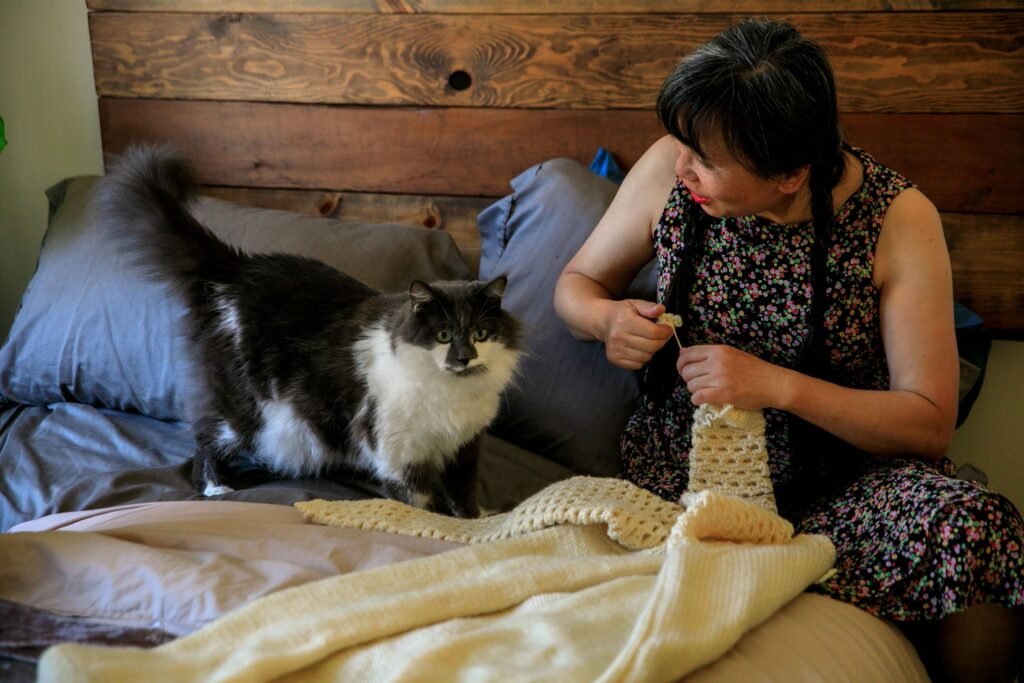
You measure for a crochet sweater by comparing your body measurements with the pattern’s finished measurements and deciding how much ease you want. A size name is only a starting point; finished dimensions tell you much more about how the garment will fit.
crochet sweater patterns free
Consider your chest or upper-body measurement, desired body length, sleeve length, shoulder width, and neckline. Measure naturally without pulling the tape tight, then write the numbers down. Compare them with the pattern before choosing a size or beginning the first panel.
crochet sweater patterns free
Ease is the extra room between your body measurement and the finished garment measurement. A closer fit uses less ease, while a relaxed sweater uses more. The right amount depends on the design, fabric stretch, and whether you plan to wear another layer underneath.
crochet sweater patterns free
Use checkpoints as you work. Measure a panel before crocheting its full length. Hold the front and back together to compare the shoulders. If the design is worked in rounds, try on the upper section before continuing into the body. These pauses can prevent you from finishing a garment that is technically complete but uncomfortable to wear.
crochet sweater patterns free
Remember that crochet fabric may change when handled. It can relax, stretch, or respond differently after washing, depending on the yarn and construction. Follow the pattern’s guidance and consider how the fabric behaves in your swatch before making major size decisions.
What easy crochet sweater designs should you try?
crochet sweater patterns free
The best easy crochet sweater design gives you a manageable challenge and one clear feature to explore. Here are several directions to consider when choosing your next project.
- Classic panel pullover: Work a simple front and back, then join the shoulders and sides. This is a practical way to learn measuring and seaming.
- Striped everyday sweater: Use a familiar stitch and let planned color changes create the main design.
- Relaxed drop-shoulder sweater: Explore a casual shape while paying close attention to sleeve width and overall proportions.
- Sleeveless vest: Leave out the sleeves and focus on the body, neckline, and armhole edging.
- Textured-cuff pullover: Keep the main body simple, then add ribbing or raised texture at the cuffs and hem.
- Color-blocked sweater: Divide the garment into large areas of color for visual interest without complicated motifs.
A smaller project can help you practice skills before you start a sweater. For example, these free crochet hat directions offer opportunities to work in rounds, check shaping, count stitches, and evaluate fit. Those habits transfer well to a garment, even though a hat uses a different construction.
How can you customize crochet sweater patterns free of charge?
You can customize crochet sweater patterns free of charge by changing color, length, edging, texture placement, or small decorative details while keeping the main construction intact. I recommend making one change at a time and recording it as you work.
Changing the body length is often one of the simplest adjustments. If the pattern allows it, add or remove rows in a straight section before the hem. Check the length against your own measurements, and remember that the edging may add additional rows.
Sleeve length can often be adjusted in the same way, although you should check whether the sleeve narrows toward the cuff. If it does, preserve the shaping sequence and add length where the sleeve is straight whenever possible.
Color changes can completely alter the personality of a plain sweater. Try a neutral body with bright cuffs, broad horizontal bands, a contrasting neckline, or two colors divided at the waist. Write down your sequence so you can reproduce it if you make a matching accessory.
You can also add a small appliqué after finishing. A flower, initial, star, or geometric shape can give a simple sweater a personal detail without changing the garment’s construction. For floral inspiration, the crochet poppy flower guide offers ideas for layered petals and dimensional decoration. Use a smaller version if you want a lightweight accent.
If you enjoy a coordinated handmade wardrobe, you might carry the same accent color into a scarf, hat, or blanket. The color-planning ideas in these crocheted afghan designs can inspire stripes, contrast bands, and repeating palettes for clothing too.
How do you assemble and finish a crochet sweater?
You assemble and finish a crochet sweater by matching the pieces carefully, joining seams with even tension, and adding the neckline, cuffs, and hem after checking the overall shape. Finishing affects how the sweater hangs, so it deserves as much attention as the main stitching.
Before joining, lay the front, back, and sleeves flat. Match the shoulder and side edges, and use markers or clips to hold them together if needed. Compare the pieces before sewing so you can catch a difference in length or width early.
Keep seams firm but not tight. A tight seam can draw the fabric inward, while a loose seam may leave gaps or provide too little support. Work a short section first, inspect the right side, and adjust your tension before completing the edge.
crochet sweater patterns free
When adding sleeves, check that both have the same orientation and length. If the garment uses separate cuffs or a hem, work them evenly around the edge without pulling the fabric inward. A simple edging often suits a textured body, while a ribbed border can add flexibility to a plain one.
Secure yarn tails on the wrong side by weaving them through several directions of the fabric. Avoid cutting them too close until you’ve gently handled the sweater and confirmed that the ends remain secure. Finally, follow the yarn and pattern guidance for care, and support the garment while it is wet if the instructions call for washing or reshaping.
What should you do before starting your first free crochet sweater?
Before starting your first free crochet sweater, choose a construction you understand, read the full pattern, make a useful swatch, and write down the measurements you’ll check along the way. These steps can save time and help you feel in control of a larger project.
Begin with a design that matches your current skills rather than choosing only by appearance. A simple sweater with clear instructions gives you room to learn how panels, seams, sleeves, and edgings work together. Once that structure feels familiar, you can explore more shaping, texture, and colorwork.
crochet sweater patterns free
Keep your notes nearby and pause whenever the fabric looks different from what you expect. If a panel is too wide, a sleeve is too short, or a neckline is pulling, fix the issue before moving on. Adjustments are part of garment making, not evidence that you’ve failed.
When you’re ready, gather your supplies, make the swatch, and choose one small starting point. Perhaps you’ll begin with a relaxed panel pullover, plan a simple stripe sequence, or practice the stitch on a small sample first. With a clear construction and a little patience, your next crochet sweater can become a practical way to build confidence while creating something entirely your own.