Crocheted Afghans: Beautiful Patterns & Ideas
Explore crocheted afghans with pattern ideas, color palettes, stitch inspiration, yarn tips, construction guidance, and finishing advice for every skill level.
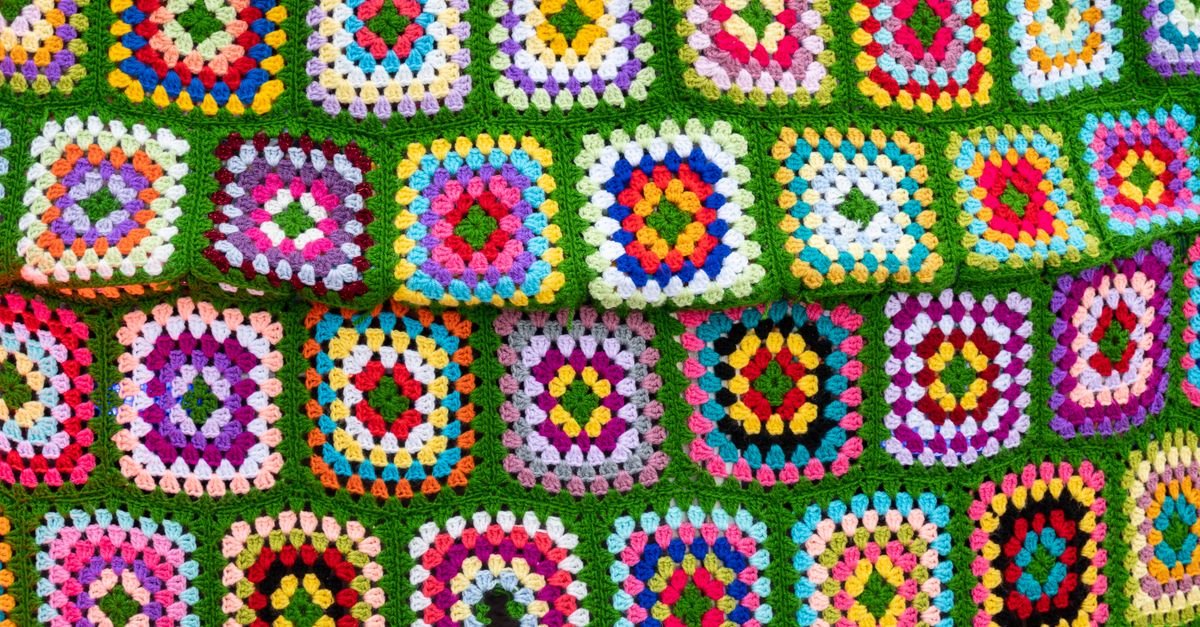
There’s something wonderfully inviting about crocheted afghans. They can be quiet and understated, bright and playful, richly textured, or built from simple motifs that make the project easy to carry along. Whether you’re choosing your first blanket pattern or looking for a fresh idea for your next large project, crocheted afghans give us plenty of room to explore color, stitch, texture, and construction.
I especially enjoy the way an afghan can grow one section at a time. A small swatch can become a square, a row, or a repeating border, and before long those individual choices begin to create a useful handmade blanket. In this guide, I’ll walk through pattern directions, yarn and color choices, stitch ideas, construction methods, finishing details, and practical ways to make an afghan that suits your skills and your home.
Table of Contents
Why are crocheted afghans such rewarding projects?
Crocheted afghans are rewarding because they combine creative freedom with a clear, useful finished object. A blanket can become a place to practice new stitches, use up carefully chosen colors, learn motif assembly, or simply enjoy the steady rhythm of repeated rows.
Large projects do ask for patience, so it helps to choose an approach that matches the kind of crochet experience you want. If you like repetition, a simple stitch pattern can be soothing. If you prefer variety, try motifs, stripes, textured sections, or a border that changes direction. There’s no single definition of a successful afghan. A straightforward blanket made consistently can be just as satisfying as a complex design.
Before picking a pattern, think about where the finished blanket will be used. A lap blanket, baby blanket, bed-sized cover, and decorative throw all call for different planning. Consider the shape, the amount of drape you want, the level of texture, and how often the blanket may be washed. These decisions can guide your yarn, stitch, and construction choices before you make a single chain.
It can also help to decide whether you want a portable project. Motif-based afghans are convenient when you enjoy crocheting in smaller sections, while a large continuous blanket is simpler if you prefer to avoid joining many pieces. I like treating that choice as part of the design rather than an afterthought: the best construction is the one you’ll enjoy returning to.
Which crocheted afghan construction should you choose?
The best crocheted afghan construction is the one that fits your preferred rhythm, available time, and comfort with shaping or joining. Continuous rows, granny-style motifs, strips, and modular sections each create a different making experience.
Continuous rows
A row-by-row afghan is a welcoming choice when you want to see the blanket grow from one edge to the other. You can work a single stitch throughout, alternate rows, or create a planned sequence of textures. The main challenge is maintaining an even width, so count the stitches regularly and check the side edges as the project grows.
Striped rows are particularly flexible. You might use broad blocks of color, narrow alternating stripes, or a mostly solid blanket with a few accent rows. Write down your color order as you go. Even a simple note can help if you pause the project for a while and want to resume without guessing.
Motif-based afghans
Motif-based afghans are made from smaller pieces such as squares, hexagons, circles, or other repeating shapes. They’re useful when you enjoy variety and want a project that can travel easily. Motifs also make it easier to experiment with color combinations before committing to the entire blanket.
The joining method becomes part of the finished appearance. A nearly invisible seam creates a smooth surface, while a contrasting join can outline every motif and add structure. Before making dozens of pieces, crochet a few motifs and test how they look beside one another. This is the right time to decide whether the colors, size, and joining texture work together.
If you enjoy building blankets from individual pieces, you may also find inspiration in these crochet square patterns. Even when you change the colors or stitch details, square-based designs can suggest many arrangements for a larger afghan.
Strips and modular sections
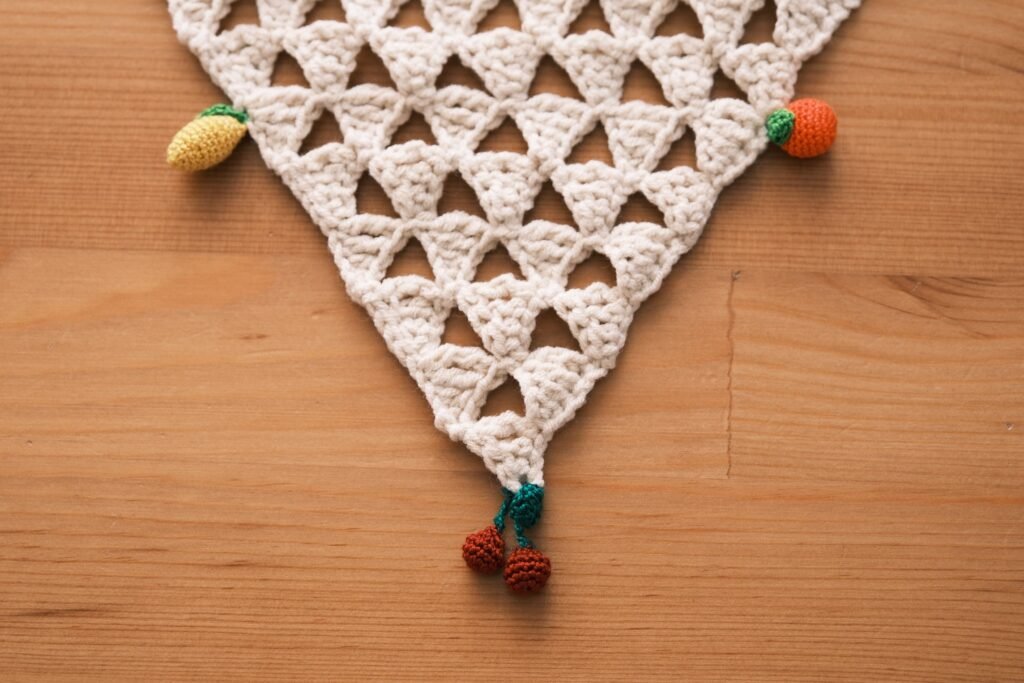
Strips sit between continuous rows and individual motifs. You can crochet long bands, join them side by side, and use a border to unify the edges. This approach offers manageable sections without requiring every piece to be a small square.
Modular designs can also help when you want to use several stitch patterns. Give each section a clear role, such as a textured band, a color panel, or a calm spacer row. Keeping one element consistent throughout—perhaps the joining color or the border—can make varied sections feel intentional.
How should you choose yarn for an afghan?
You should choose afghan yarn by considering comfort, drape, stitch definition, care, and the amount of handling the finished blanket will receive. Color is important, but the fabric’s feel and behavior matter just as much.
Start with a small swatch in the stitch pattern you plan to use. Handle it, fold it, and observe whether it feels soft, firm, heavy, flexible, or open. If the afghan will be used regularly, think about whether you’re comfortable following the yarn’s care instructions. A decorative blanket may tolerate different choices from a frequently washed everyday throw.
Smooth yarn makes stitch definition easier to see and is helpful when you’re learning a new pattern. Textured or fuzzy yarn can create a lovely surface, but it may hide intricate stitches and make unpicking more difficult. If the design depends on cables, raised stitches, or intricate motifs, a yarn with visible stitch definition will usually make those details easier to appreciate.
Yarn weight also affects the personality of the afghan. A denser fabric can feel substantial and warm, while an open stitch pattern may create a lighter layer. Rather than choosing a yarn solely because it is commonly used for blankets, compare the fabric you want with the yarn available to you. The pattern’s recommended materials and gauge guidance should remain your starting point when following a specific design.
Keep your skeins or balls from different dye lots together when possible, and buy enough yarn for the planned project according to the pattern instructions. If you’re designing freely, keep a record of the colors and amounts you use. That information can be useful if you need to make a matching cushion, repair a section, or repeat a palette later.
Which stitch patterns create interesting crocheted afghans?
The most interesting crocheted afghans often use one main stitch with a thoughtful change in color or texture. You don’t need a complicated stitch in every row to create a blanket with visual depth.
- Granny-style clusters: These create an open, rhythmic fabric and work well for classic motifs or continuous rounds.
- Single crochet: This creates a compact surface that can showcase color changes, tapestry-style details, or simple texture.
- Half double crochet: This is a useful middle ground when you want visible rows and a fabric with moderate density.
- Double crochet: This creates taller rows and can make a blanket grow quickly, while leaving a more open fabric.
- Ripple or chevron stitches: These add movement through increases and decreases, creating a strong directional design.
- Post stitches: These add raised texture and can frame panels or create geometric patterns.
- Lace-inspired stitches: Openwork can give an afghan a lighter feel, especially when paired with a simple border.
When testing a stitch, make a sample large enough to show how the pattern repeats. Tiny swatches can make a fabric look different from a full blanket, especially when the stitch has a strong texture or causes the edges to pull. Check whether the fabric lies flat, whether the edges remain even, and whether the texture feels comfortable to touch.
If you want to explore taller stitches, this complete treble crochet guide can help you review the stitch movement before adding it to a blanket. Taller stitches can create open spaces, decorative peaks, and airy sections, but a swatch will show how they affect the overall fabric.
How can you plan colors that work together?
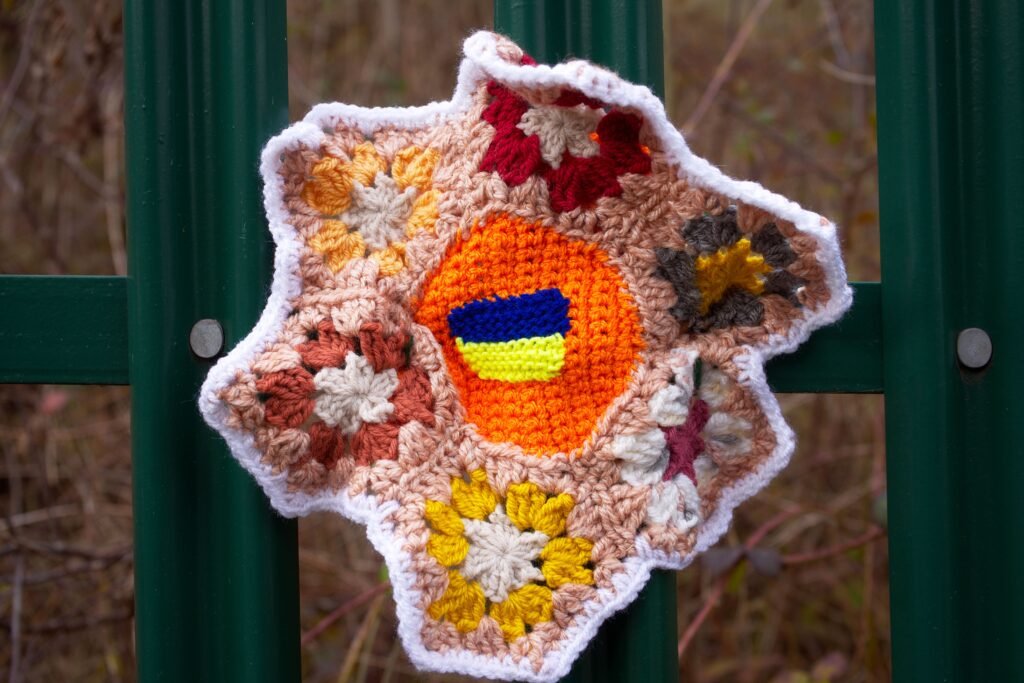
You can plan afghan colors by choosing a dominant shade, a supporting group, and one or two accents that guide the eye. A palette doesn’t need to contain many colors to feel expressive.
Lay the yarn colors beside one another in natural light and look at them from a little distance. This can reveal whether two shades are too similar to create contrast or whether one bright color draws attention away from the rest. A simple written plan can also help: assign colors to the background, motifs, joining lines, border, and occasional accents.
There are several reliable ways to organize a palette:
- Monochromatic: Use several values of one color for a calm, layered effect.
- Neutral with accents: Let a quiet base support a few stronger shades.
- Repeating sequence: Use a consistent order of colors so the blanket feels organized.
- Scrappy arrangement: Combine many shades with one repeated joining or border color for cohesion.
- Blocked sections: Reserve one color for large panels and use contrast in smaller areas.
Swapping color placement can change the entire mood of the same stitch pattern. For example, a dark border may make the center feel more defined, while a light border can soften the transition into the room. If you’re uncertain, make a small set of motifs in several arrangements and photograph them side by side.
For a playful blanket inspired by clothing or team colors, you could borrow ideas from these crochet jersey patterns. Stripes, contrast bands, and graphic color blocks can translate easily into an afghan without copying the shape of a garment.
What design ideas can make an afghan feel special?
An afghan feels special when its design choices have a clear relationship, whether that comes from color, texture, motifs, or a carefully finished edge. Start with one feature you want to emphasize and let the other details support it.
A wide border can frame an otherwise simple center. You might repeat a color from the middle, introduce a subtle texture, or use a small motif around the corners. If the body already has a busy pattern, a calmer border can give the eye somewhere to rest.
Texture can also be placed strategically. Instead of covering the whole blanket with bobbles or raised stitches, use them in a central panel, along a stripe, or around a motif. This makes the texture easier to maintain and gives it greater visual impact.
Appliqués offer another way to personalize a plain afghan. Flowers, leaves, stars, initials, and geometric shapes can be crocheted separately and attached after the main blanket is complete. The crochet poppy flower guide can inspire a layered floral accent for a corner, central panel, or detachable decoration.
For a more sculptural direction, take a look at the shaping ideas in this crochet calla lily pattern guide. A three-dimensional flower may not suit every blanket, but its petal construction can inspire dimensional motifs, decorative corners, or a statement center.
How do you keep an afghan’s shape even?
You keep an afghan’s shape even by checking stitch counts, watching the edge tension, and measuring the fabric as it grows. Small differences can become more noticeable across a large blanket, so regular checks are worth the pause.
Mark the first and last stitch of rows if those edges are difficult to identify. Count at the end of each row or repeat, especially after working increases, decreases, clusters, or color changes. If the sides begin to slope, stop and compare the current row with an earlier one before continuing.
Try not to pull the turning chain tightly. A firm turning chain can draw one edge inward, while a very loose one may create a bump. Use the method described by your pattern and keep it consistent. If you’re designing your own blanket, a swatch can help you decide how many turning chains create a comfortable edge for your chosen stitch.
For motif blankets, compare pieces as you go rather than waiting until all of them are complete. Stack several motifs and check their size, shape, and stitch tension. If one is noticeably different, it’s easier to adjust it while the construction is still fresh.
Blocking can help motifs line up and edges look more regular, but it cannot correct every stitch-count problem. Treat it as a finishing aid rather than a substitute for counting. The suitable method depends on the yarn and the pattern guidance, so test a sample if you’re unsure how the fabric will respond.
How should you finish and care for crocheted afghans?
You should finish crocheted afghans by securing the seams and yarn ends, refining the edges, checking the final shape, and following the yarn’s care guidance. A thoughtful finish can make a simple blanket look polished and help it remain pleasant to use.
Weave in ends securely on the wrong side of the fabric, changing direction when possible so the tails are less likely to loosen. Avoid cutting ends too close before you’ve gently handled the blanket and checked that they stay hidden. Motif blankets often have many ends, so weaving them in as you finish groups of pieces can prevent an overwhelming final stage.
Joining deserves the same attention as the crochet itself. Keep the tension even, line up the edges carefully, and decide whether you want the seams to blend in or stand out. If the blanket feels lumpy at the joins, examine whether the pieces are being gathered too tightly.
Border rounds can disguise small edge variations, but they should still be worked evenly. A simple border may be the best choice for a highly textured center, while a decorative border can add interest to a plain fabric. Work around the corners carefully so the blanket remains flat rather than curling or ruffling.
Before washing the finished afghan, check the yarn label and any pattern-specific instructions. Support the blanket while it is wet, avoid rough pulling, and let it dry in a way that preserves its shape. Store a heavier blanket folded if hanging would place stress on the stitches.
Which afghan ideas are good for different skill levels?
The best afghan idea for your skill level is one that gives you a manageable challenge without making every row feel like a puzzle. Here are a few directions to consider.
- Beginner-friendly striped throw: Use one simple stitch and focus on even rows, color changes, and a neat border.
- Continuous granny-style blanket: Practice working in rounds while exploring a planned or scrappy palette.
- Motif sampler: Make a group of repeating squares and learn how joining changes the final texture.
- Textured panel afghan: Combine plain sections with a few raised or openwork bands.
- Ripple blanket: Practice increases and decreases while creating a strong wave across the fabric.
- Appliqué throw: Crochet a calm background and add flowers, initials, or geometric details afterward.
If you enjoy making smaller projects before committing to a blanket, you could begin with a wearable or accessory that uses similar skills. These crochet sweater patterns include ideas for planning construction, choosing stitches, checking fit, and managing color. The same habits—making a swatch, recording changes, and checking the fabric—are useful on an afghan too.
What should you do before starting your next afghan?
Before starting your next afghan, make a swatch, choose the construction, test the palette, and read the pattern from beginning to end. These steps may feel slower than jumping straight into the first row, but they can save time and help you make decisions with confidence.
Write down the yarn, hook, stitch pattern, color order, and any measurements you want to remember. If you’re improvising, photograph the first successful repeat and keep notes about how it was made. A project notebook is especially helpful when an afghan takes a long time and your plans evolve along the way.
Choose a stopping point that feels realistic. You might work a few rows each evening, complete one motif during a commute, or set aside a regular crochet session for the blanket. A large project becomes much more approachable when it is divided into small, visible steps.
Most of all, let the design reflect the way you enjoy crocheting. Choose repetition if you find it restful, variety if you like learning, and color if experimenting with palettes keeps you curious. Then gather your materials, make that first swatch, and let your crocheted afghan grow one thoughtful stitch at a time.