Yard Crochet: Creative Crochet Projects & Patterns
Explore yard crochet ideas with creative project inspiration, yarn planning, beginner-friendly patterns, color tips, and practical guidance for every skill level.
Yard crochet opens up a wonderfully creative way to think about handmade projects. Instead of beginning with a single pattern and following it from start to finish, we can look at the yarn, colors, textures, and shapes already around us, then discover what they might become. A leftover skein can turn into a small accessory, a collection of partial balls can become a striped blanket, and one favorite stitch can inspire an entire project.
I love this kind of crochet planning because it gives us permission to explore. We can work from a pattern, adapt an existing idea, combine small motifs, or design something simple from scratch. The key is to make thoughtful choices about materials, scale, construction, and finishing so the creative process stays enjoyable rather than becoming a tangle of unanswered questions.
Table of Contents
What does yard crochet mean?
Yard crochet means using yarn and crochet techniques to create practical, decorative, or wearable projects while allowing the materials and surroundings to inspire the design. It can describe planned projects made with carefully chosen yarn, relaxed stash crochet, outdoor-inspired pieces, or imaginative patterns that bring handmade texture into everyday spaces.
The phrase can be interpreted in several ways, and that flexibility is part of its charm. You might be looking for projects to make in a yard or garden, ideas for using yarn stored in your craft space, or simply a collection of creative crochet patterns. Rather than limiting the idea to one project type, I prefer to treat it as an invitation to notice possibilities.
Start by looking at what you already have. Sort yarn by color, texture, amount, and how clearly the stitches show. You don’t need to use every ball in one project. A small amount may be enough for a flower, edging, coaster, ornament, or stripe, while larger quantities can support blankets, bags, garments, or home décor.
It also helps to decide what kind of making experience you want. A repetitive project can be calming, while a motif-based design offers more chances to experiment. If you want guidance with the basic habits that make any project easier, the crochet guide for absolute beginners is a useful place to review stitch placement, turning, and reading the fabric.
How do you choose yarn for yard crochet projects?
You choose yarn for yard crochet projects by considering the finished use, the fabric you want, the yarn’s texture, and how easily you can see and count the stitches. A good yarn choice supports both the appearance of the project and the experience of making it.
Begin with the purpose of the item. A decorative flower, basket, blanket, garment, or outdoor accent may each call for a different fabric character. Ask whether you want something soft, firm, flexible, textured, drapey, or structured. The answer helps narrow your choices before color becomes the only deciding factor.
Make a small swatch when the fabric matters. Work the stitch you plan to use, then handle the sample instead of judging it only by sight. Fold it, stretch it gently, and notice how it hangs. Look at whether the stitches remain visible and whether the fabric feels comfortable for the intended project.
Smooth yarn in a clearly visible color is often easier when learning or working a detailed pattern. Fuzzy, highly textured, or very dark yarn can hide stitch tops and make mistakes harder to find. Those materials can still be exciting to explore; I’d simply pair them with a simpler stitch or use them as an accent.
When using leftovers, sort them into groups before starting. You might organize them into:
- Colors that work naturally together.
- Similar textures that will create a consistent fabric.
- Small amounts suitable for stripes, motifs, or edging.
- Larger amounts that could support a main project.
- Special accent colors reserved for flowers, borders, or small details.
Try not to force yarns together simply because they are available. If one strand creates a very different thickness or texture, use it as a deliberate contrast rather than scattering it randomly. A repeated accent color can make a scrappy project feel connected and intentional.
For larger designs, planning matters even more. The ideas in these crochet blanket patterns can inspire ways to combine simple stitches, stripes, motifs, borders, and manageable sections without losing the relaxed spirit of creative crochet.
Which creative yard crochet projects should you try?
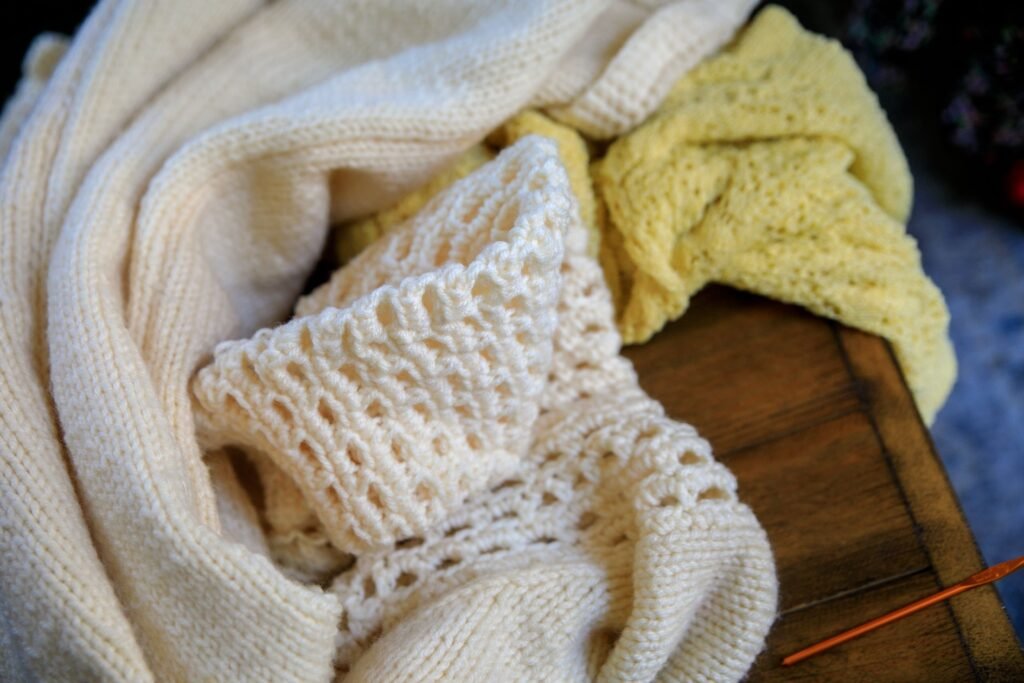
The best creative yard crochet project is one that matches the yarn you have, the time you want to spend, and the skill you’re ready to practice. A small project can offer a quick finish, while a larger one gives you more room for color, texture, and construction experiments.
Small accessories and useful objects
Small accessories are a friendly starting point for creative crochet because they let you test an idea without committing to a large amount of yarn. Coasters, pouches, headbands, cup sleeves, key fobs, and simple baskets can all be adapted through color and edging.
These projects are also a practical way to use partial balls. If you have several shades that do not quite work for a large garment, try alternating them in narrow stripes or using one as a border. A small object can make an unusual color combination feel purposeful.
Flowers, leaves, and garden-inspired motifs
Flowers and leaves are natural choices when the yard or garden is part of your inspiration. Crochet flowers can become appliqués, pins, garlands, blanket accents, gift decorations, or colorful additions to a basket. You can keep the shape simple or layer petals for more dimension.
Color does much of the design work here. A single shade creates a clean botanical outline, while several related colors can give petals and centers more depth. The crochet poppy flower guide offers a starting point for exploring a layered floral shape and thinking about how a small motif might be used beyond the original pattern.
Blankets and throws
Blankets are ideal when you want to explore a broad palette or turn many leftovers into one connected project. You can work in rows, rounds, strips, or motifs, depending on whether you prefer continuous crochet or smaller portable sections.
A simple stitch is often enough for a striking blanket. Let color changes, a strong border, or a repeating arrangement provide the visual interest. If you enjoy variety, divide the project into sections and give each one a clear role rather than changing every decision at once.
Garments and wearable pieces
Wearables offer an opportunity to explore yarn behavior, fit, drape, and thoughtful finishing. A scarf, vest, cardigan, or relaxed sweater can begin with a familiar stitch and gain personality through stripes, cuffs, pockets, or a contrasting neckline.
Garments need more planning than small accessories because the finished measurements affect comfort. Compare the pattern measurements with a garment you already enjoy wearing, and check the fabric as you work. These free crochet sweater patterns can provide inspiration for construction, relaxed silhouettes, color placement, and manageable garment details.
How can you design a yard crochet pattern from scratch?
You can design a yard crochet pattern from scratch by choosing the project’s purpose, making a sample, establishing a repeat, and recording your decisions as you work. You don’t need to invent a complex stitch to create something original; thoughtful proportions and color choices can be enough.
Start with one clear idea. Perhaps you want a striped basket, a flower garland, a textured scarf, or a small blanket made from coordinated motifs. Write down what the finished item should do and how you imagine it looking. This simple description helps you decide which details are essential and which can wait.
Next, make a sample. Experiment with the stitch, color order, and edge before creating the full project. If you’re working in rounds, check whether the piece lies flat. If you’re working in rows, inspect whether the sides remain even. A sample can reveal problems while they are still easy to solve.
Keep notes about your decisions, including:
- The yarns and colors used.
- The stitch pattern and repeat.
- Where increases or decreases occur.
- How the edges and corners are formed.
- Any changes made after the sample.
- The finishing method that gives the fabric the shape you want.
When creating a flat piece, edge shaping is especially important. Count the first and last stitches of each row and use markers if the edges are difficult to see. In round projects, mark the beginning of the round and check that increases are distributed consistently.
If your design needs shaping, decreases can help narrow a hat, close a basket, form a point, or create a curved motif. For a clear explanation of combining stitches and placing shaping neatly, use this crochet decrease guide. Understanding the structure behind a decrease gives you more freedom to modify a pattern without guessing.
Don’t try to perfect the entire design in one attempt. Make a small version first, notice what works, and revise the next sample. Creative crochet is often a conversation between the idea and the fabric. The yarn may suggest a different border, the stitch may need more space, or the colors may look better in a new order.
How do you add personality to crochet patterns?
You add personality to crochet patterns through color, texture, scale, edging, and small details that reflect the way you plan to use the finished piece. One strong design decision is usually more effective than adding every possible embellishment.
Plan color with purpose
Color can turn a basic stitch into a bold graphic design. Try a calm monochromatic palette, a neutral base with bright accents, broad color blocks, or a repeating stripe sequence. Lay the yarns beside one another before beginning and photograph the arrangement if you want a reference while working.
For scrappy crochet, repetition creates cohesion. Repeat one shade in every few sections, use the same color for the border, or arrange colors according to a simple rhythm. Random does not have to mean unplanned.
Use texture selectively
Texture works well when it has room to be noticed. A raised panel, ribbed edge, bobble stripe, or openwork section can become a focal point. If the main fabric is already textured, keep the border simple so the project does not feel visually crowded.
When trying an unfamiliar stitch, make a sample before placing it in a large project. Taller stitches, clusters, and post stitches can change the fabric’s height, openness, and drape. The sample gives you a chance to understand the stitch without having to undo a whole section later.
Experiment with scale
Changing the size of a motif can alter the entire feeling of a project. Large motifs create a bold, modern effect, while smaller ones can feel delicate and detailed. A simple shape can also become a wall hanging, garland, bag panel, or blanket centerpiece depending on its final scale.
Think about how the item will be seen. A small color change may disappear in a large blanket but stand out beautifully on a coaster or flower. Match the amount of detail to the size and purpose of the finished piece.
Finish with a deliberate edge
An edging frames the project and can make separate design elements feel connected. Choose a quiet border for a lively center, or use a contrasting edge when you want a crisp outline. Work evenly around the fabric and avoid pulling the yarn so tightly that the edge draws inward.
How do you keep creative crochet projects manageable?
You keep creative crochet projects manageable by limiting the number of new decisions, dividing the work into checkpoints, and correcting problems before they spread. Creativity feels freer when the practical details are under control.
Choose one main experiment at a time. If you’re trying a new stitch, keep the yarn and construction familiar. If you’re designing with many colors, use a simple stitch. If you’re changing the size, avoid also changing the shaping until you understand how the original pattern behaves.
Set checkpoints for yourself. After a few rows or motifs, check the width, shape, color order, and fabric feel. For a garment, compare the growing piece with your measurements. For a blanket, lay it flat and inspect the edges. A short pause can save hours of correction.
Keep a project bag with the pattern notes, yarn, hook, markers, scissors, and measuring tape. A notebook or phone note can hold the color sequence and modifications. This is especially helpful when a project takes several weeks or when you are making matching pieces.
Be willing to unravel. Undoing a section is not a failure; it is part of learning how the fabric responds. If the edge is crooked, the color balance feels wrong, or the shape is not doing what you intended, stop and identify the cause before continuing.
For wearable projects, remember that handmade fabric can behave differently from the small sample. Weight, handling, and finishing may affect the final shape. Check the garment as it grows and make adjustments while the construction still allows them.
For a more focused garment adventure, these crochet sweater patterns offer ideas for choosing construction, planning yarn, checking measurements, and customizing a wearable design. Even if you begin with a pattern rather than designing from scratch, you can still make creative choices along the way.
What should you make next with yard crochet?
You should make the yard crochet project that gives you a clear starting point and enough room to explore. Choose the yarn or color idea that keeps catching your attention, then match it with a project size you can realistically enjoy.
- Choose a small flower or motif if you want a quick experiment.
- Choose a striped accessory if you have several partial balls of yarn.
- Choose a basket or pouch if you want to practice firm, useful fabric.
- Choose a blanket if you’re excited by color planning and steady repetition.
- Choose a garment if you want to explore fit, drape, and construction.
- Choose a freeform sampler if you want to test stitches before committing to a final design.
Gather the yarns, make a small sample, and let the fabric guide your next decision. You can follow a pattern closely, borrow one feature from several ideas, or create a simple design of your own. The most rewarding projects often begin with curiosity rather than a perfectly finished plan.
That is the joy of yard crochet: it gives us a reason to look at familiar yarn in a new way. Start with one color, one stitch, or one small idea, then see where it leads. Your next project may be practical, decorative, wearable, or something you never expected to make—but it can begin with the same simple pleasure of turning a strand of yarn into something entirely yours.